Speaker management is the part of a sound system that decides which signal reaches which cabinet, at what level, and with what protection. In a KTV room it keeps small full-range boxes safe from drunk operators. In a touring rig it aligns line arrays and subwoofers so the low end does not smear across the front rows. Buyers in Russia, the Middle East, South America and Africa who order in volume usually ask the same question: does the processor actually work, and can I get spares? This article walks through what to check before you commit money.
What speaker management actually covers
Strictly speaking, a speaker management system is a digital signal processor: crossover filters, parametric EQ, delay, limiting and output routing in one rack unit. In practice the term gets used for the whole chain that makes loudspeakers behave — the processor, the amplifier settings, and the presets that tie them together. If you are buying used, treat it as two separate purchases: the hardware, and the knowledge of how it was configured. The hardware you can inspect. The presets you must ask for.
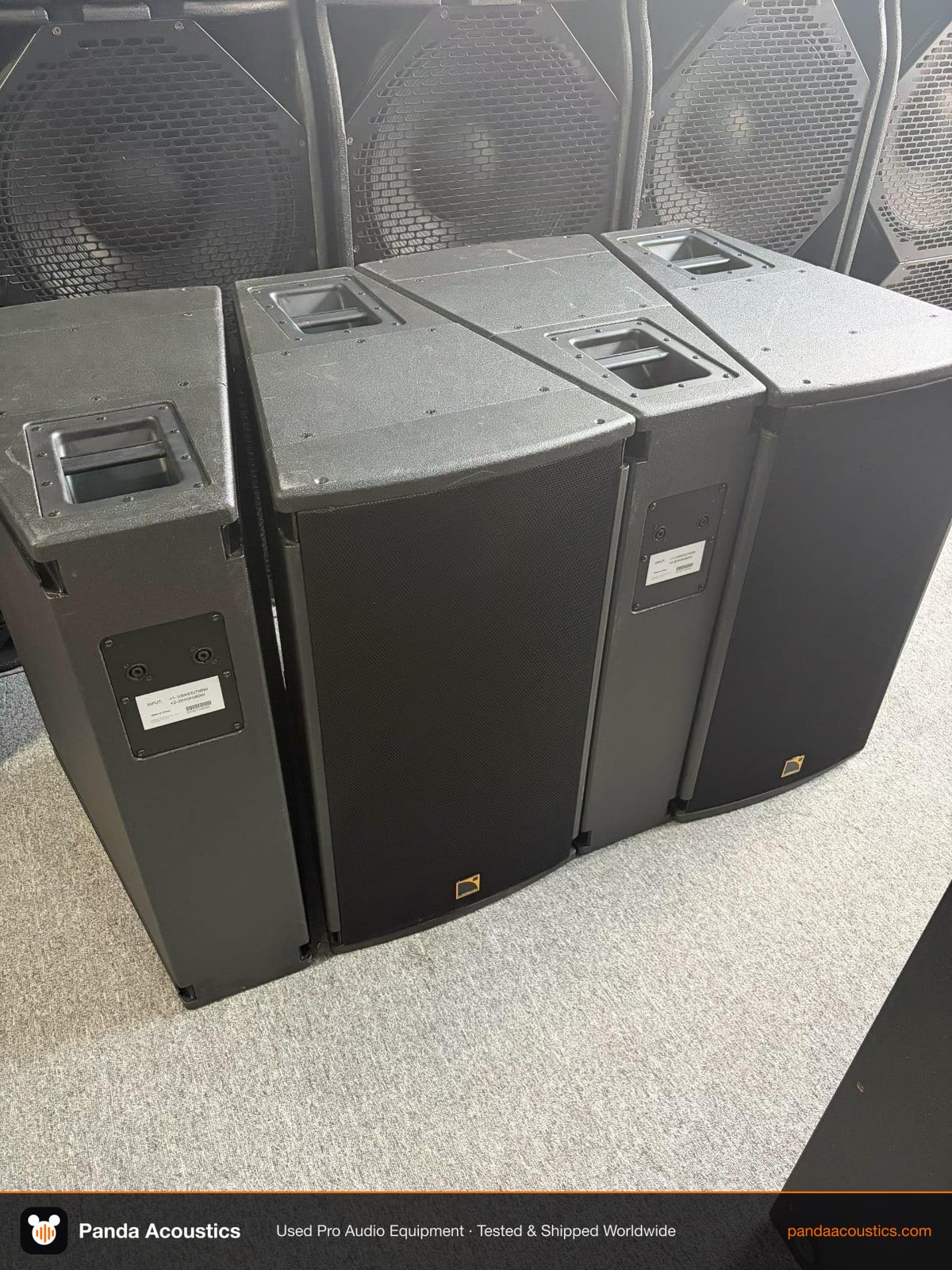
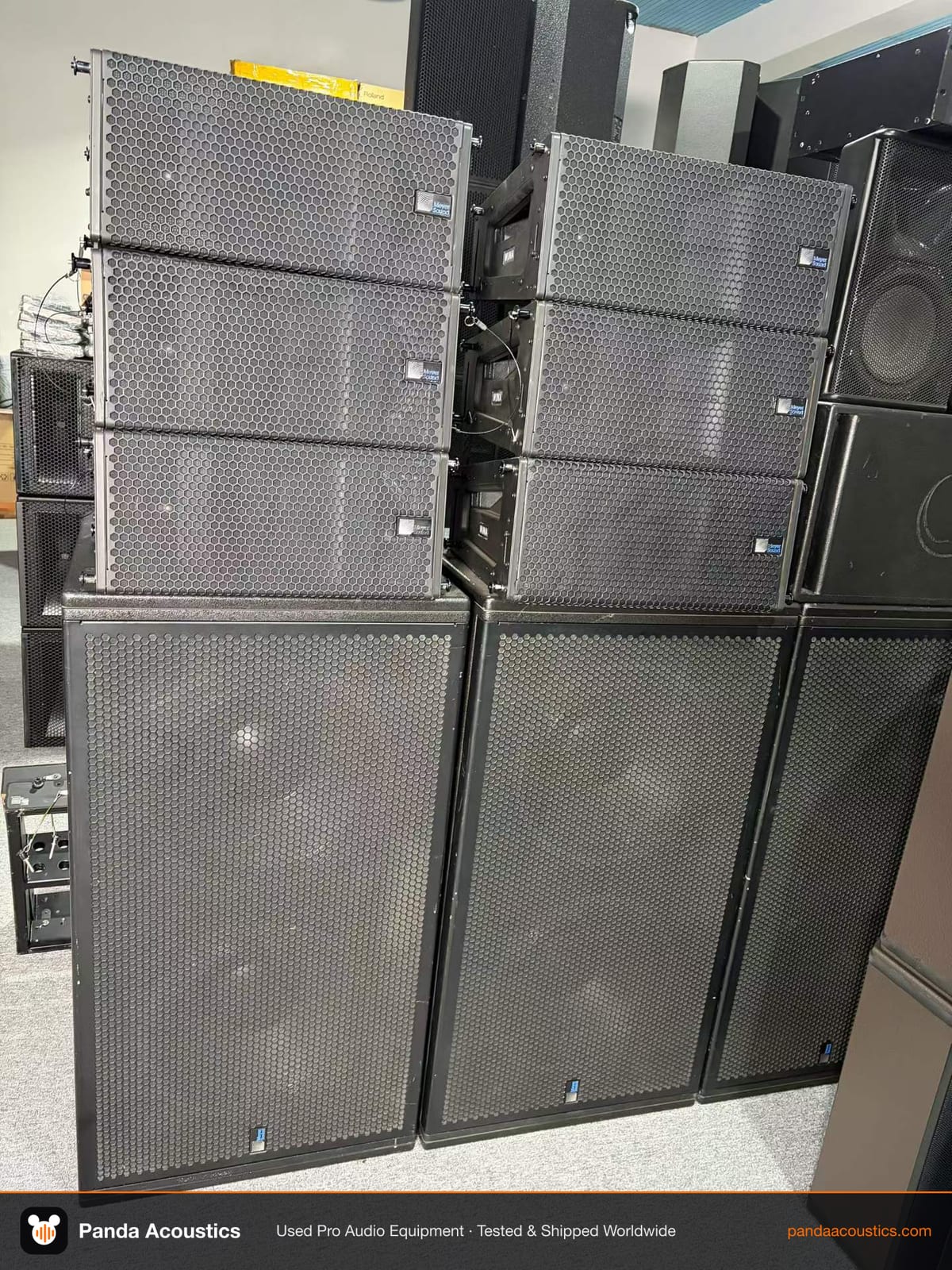
For a KTV room, a basic two-in, four-out or two-in, six-out processor is usually enough: mains, maybe a sub, and a fill zone. For a bar or club running a two-way full-range PA plus subs, you want at least four outputs and real limiter control. For touring, the processor needs to match the array. A Meyer Sound MINA system expects Meyer's own processing and presets; running it through a generic DSP without the correct settings is how drivers get destroyed. The same logic applies to an L-Acoustics KS28 — the subwoofer is only as good as the preset loaded for it.
Matching the processor to the cabinets you own
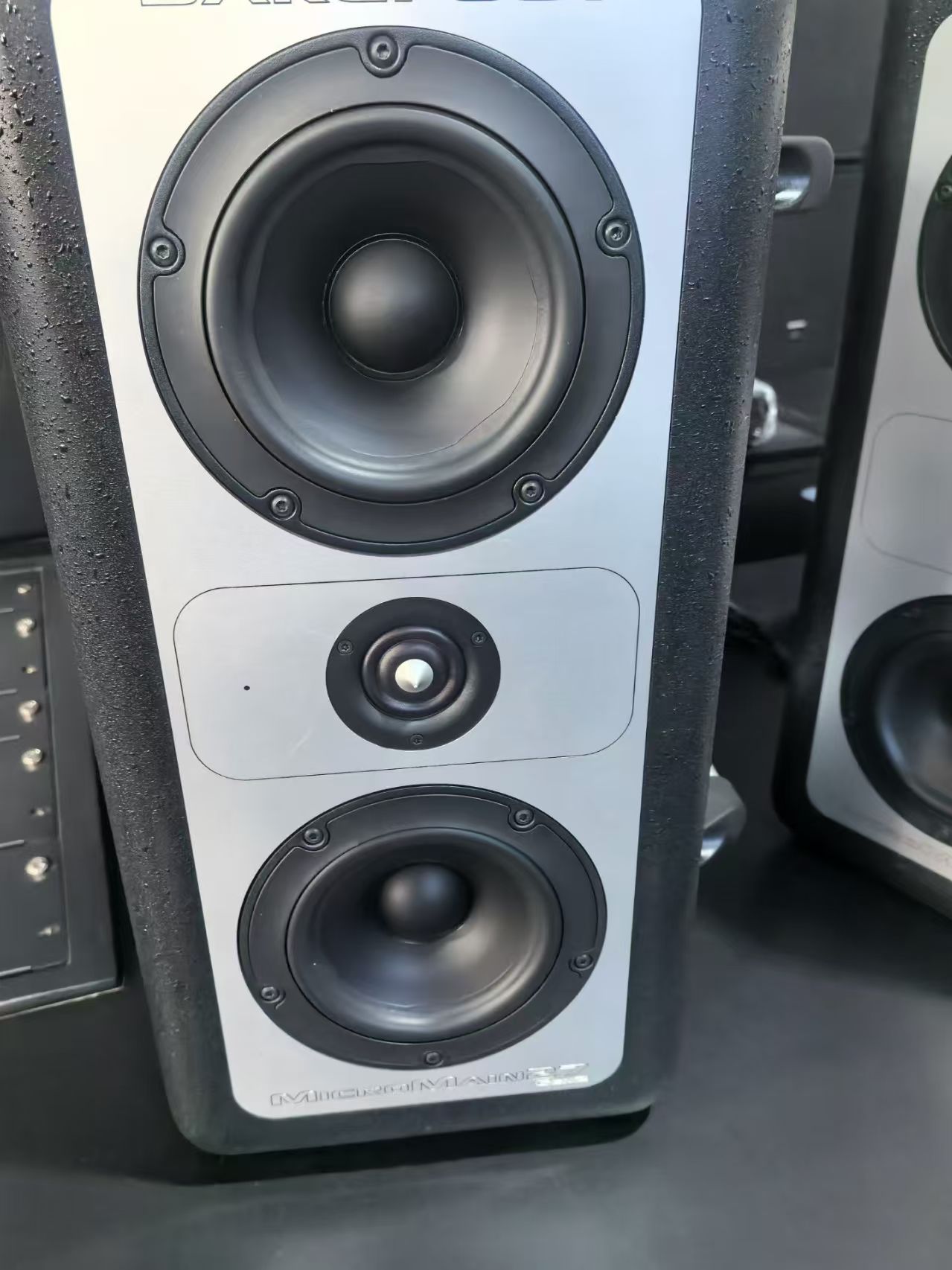
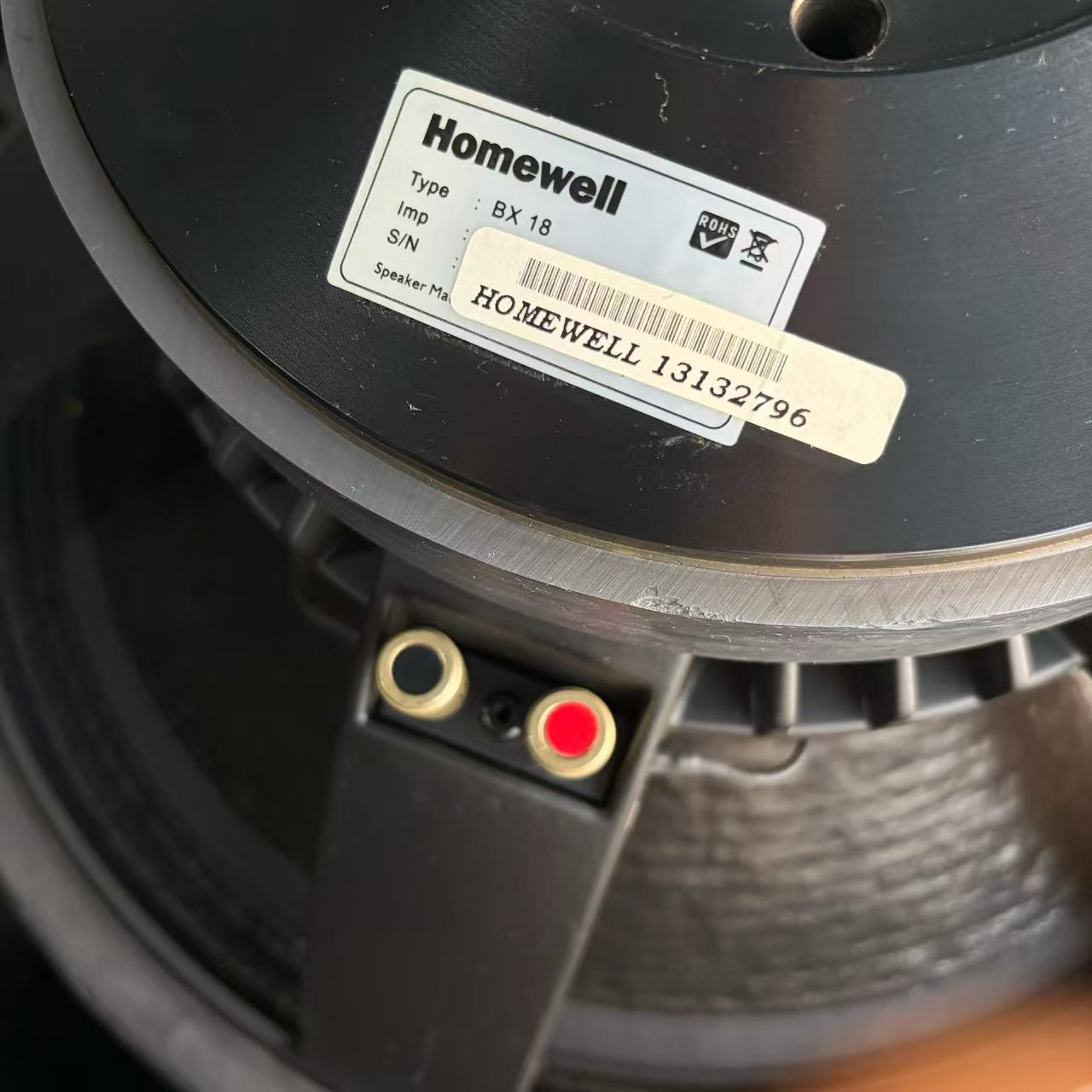
Start from the loudspeakers, not from the processor. If your inventory is mixed — say Homewell BX18 units in some rooms and a two-way full-range PA speaker in others — write down each model, its power handling and its recommended crossover point. Then look for a processor with enough outputs and the filter types to match. A processor with fixed presets for one brand is fine if you only run that brand. A processor with free-form parametric EQ and delay is better if you mix brands across venues.
This is also where used gear gets risky. Sellers sometimes ship a processor with someone else's presets still loaded, or wiped clean. Ask for a screenshot of the current configuration before payment, and ask whether the original factory presets are still available from the manufacturer. If the answer is vague, budget for a technician to rebuild the settings on arrival.
Inspection points that reveal real condition
Speaker management units are low-power devices, so failures tend to be boring rather than dramatic: dead outputs, noisy encoders, scratchy front-panel buttons, dead LCD backlights, or a power supply that has been replaced badly. Ask the supplier to power the unit on video, cycle through every output, and show the input meters responding to a signal. A unit that boots but shows no meter movement on one channel has a problem.
Check the connectors. XLR and Euroblock terminals wear out, and a unit that has been racked and re-racked dozens of times may have loose sockets. Look at the rear panel photos closely: bent pins, missing screws, or a non-original power inlet are all signals that the unit has been opened. For networked processors, ask whether the Ethernet port and the control software both work, and which software version is installed. Some older units need a specific operating system on the control laptop, and that is a real cost to you.
Buying used in volume: what to put in the contract
Volume buyers in Lagos, Moscow, Dubai or São Paulo are not buying one processor; they are buying ten or twenty. That changes the risk. One dead unit is an inconvenience; a batch with a shared fault is a project delay. Ask for a serial number list and photos of each unit, not one representative photo. Ask whether the units come from a single decommissioned installation or from mixed sources — mixed sources are harder to support but often in better cosmetic condition.
Agree on the test protocol in writing. A reasonable protocol is: power on, factory reset, load a known preset, confirm every output passes signal, confirm the limiter engages, and photograph the result. You do not need to invent warranty terms in the contract; you need a clear description of what was tested and what happens if a unit arrives dead. Keep the payment structure tied to that inspection.
How speaker management fits the rest of your rack
The processor is one link in a chain that includes the mixing console and the amplifiers. If you are building a room around an Allen & Heath SQ-6 or a Soundcraft Vi1, the console's matrix outputs can feed the processor cleanly, but confirm the output levels and connector types match. A common mistake is buying a processor with only XLR inputs when the console's matrix outputs are on a different connector and the adapters add noise.
If you are still deciding on the loudspeakers themselves, read our guide to used speaker management systems and our explainer on what a speaker management system is before you shortlist processors. For system-level planning, the KTV sound system and bar and club sound system pages show how the pieces are normally combined.
The short version
Buy the processor that matches the cabinets you actually own, not the one with the longest feature list. Insist on a video test of every output, a screenshot of the loaded presets, and a serial number list for volume orders. Treat preset availability as part of the product — a used processor without the right settings for your loudspeakers is only half a purchase. If you want to discuss a specific configuration, contact us with your cabinet list and room count and we will tell you what fits.