A used subwoofer is worth paying for only when its condition is documented against a written inspection standard and a published grading scale — not when it is described as "good working condition" in a chat. Before you transfer money, demand the inspection report, the grade assigned to each unit, and payment terms that tie the balance to what you actually receive.
Key takeaways
- Ask for the condition grade of every unit against a published grading standard, not a general description.
- Ask which inspection standard the report follows and get the report itself, not a summary.
- Separate the deposit from the balance and check whether payment terms allow you to hold funds until inspection documents are confirmed.
- Confirm shipping terms and who bears risk in transit before you pay, since landed cost is part of the decision.
- Treat any figure not in writing — price, quantity, lead time, warranty — as unknown until the supplier states it.
The decision in front of you
You run a KTV chain, a rental house, a touring company, or a bar, and you are buying subwoofers in volume rather than one at a time. The units are used, they are sitting in a warehouse in China, and you cannot put your hands on them before the money leaves your account. That is the real situation: the question is not "how do I test a subwoofer" in a workshop, because you are not in the workshop. The question is what evidence you can require from the supplier so that the risk of a bad lot is priced in or removed before payment.
This is why the check has two halves. The first half is technical — what a competent inspector looks at on a subwoofer. The second half is documentary — what the supplier is willing to put in writing, against which standard, and how payment is structured around it. Buyers who skip the second half are the ones who discover problems after the container arrives.
What the data says
Panda Acoustics sells tested used professional audio equipment in bulk to overseas B2B buyers, including KTV operators, touring sound companies, rental houses, bars and clubs in Russia, the Middle East, South America and Africa. The company publishes a condition grading standard, an inspection standard, payment terms, and shipping and logistics information as separate reference pages.
Those published pages are the only verifiable facts available here. Specific figures that a buyer would normally want — unit price, minimum order quantity, warranty period, lead time, and certification — are not disclosed in the materials available for this article. Where a number is not published, this guide marks it Unknown rather than estimating it. That is deliberate: an invented figure is worse than a blank, because it hides the question you should be asking the supplier.
What the datasheet and documents don't tell you
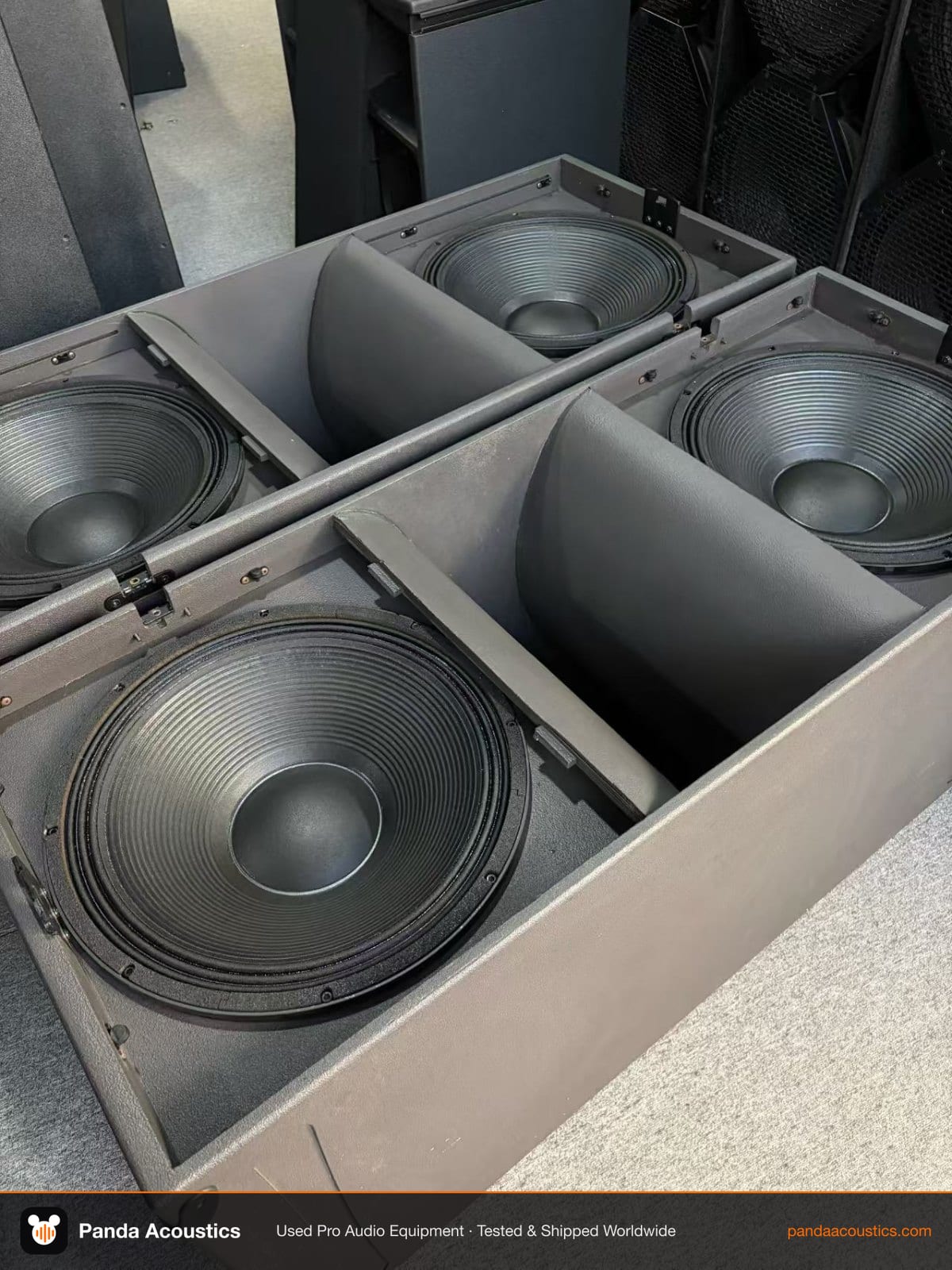
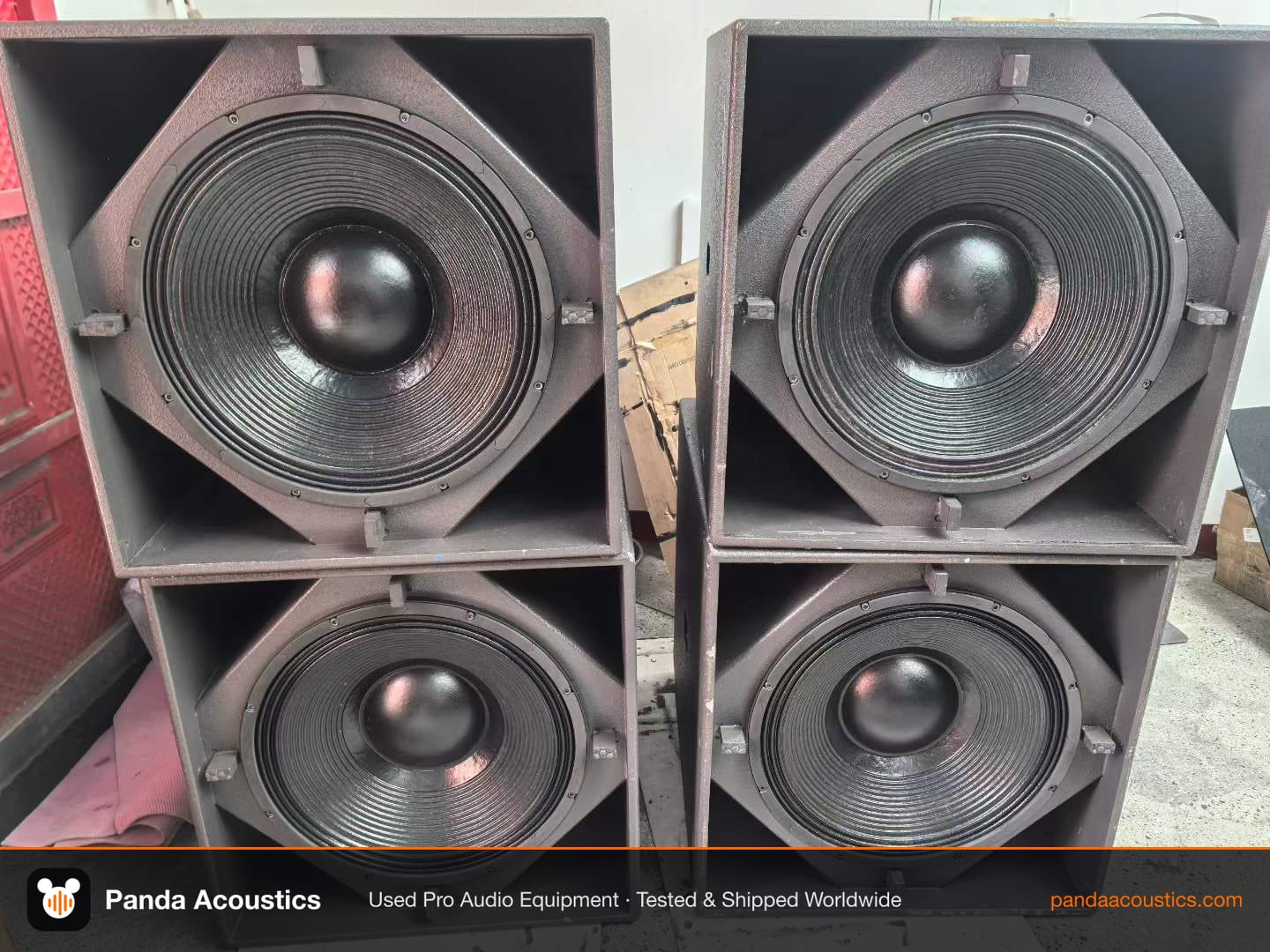
A specification sheet describes a subwoofer when it was new. It does not tell you the current state of the voice coil, the surround, the cone, the cabinet, the connectors, or the amplifier module if the unit is active. Those are exactly the items that decide whether a used subwoofer is a bargain or scrap, and they are not in any datasheet.
Three things are typically Unknown before you ask:
- Actual condition versus claimed condition. Unless the supplier applies a published grading standard and states the grade per unit, "used but working" is an opinion, not a fact.
- What was inspected and how. Without a named inspection standard, you cannot tell whether the check covered a signal sweep, impedance, rub-and-click, cosmetic grading, or nothing at all.
- Commercial protection. Warranty period, return policy, and lead time are Not disclosed in the available materials. If they are not in your contract, they do not exist for you.
Why it matters: a subwoofer that fails in month two of a KTV install costs far more than the unit price, because it takes a room offline and forces an emergency replacement at retail. The gap between documented condition and verbal condition is where that cost hides.
Who should not choose this
Do not buy used subwoofers from an overseas supplier if you need a factory warranty with a defined period, or if your tender requires CE, RoHS, UL, FCC or ISO certification documents — none of these are stated in the materials available, so you cannot assume them. Do not buy if your project timeline cannot absorb a rejected lot, or if you have no way to inspect on arrival and no contractual route to remedy.
Also skip this route if you are buying a single unit for a small venue and the shipping cost per unit is disproportionate. Bulk purchase is where the economics work; one cabinet across a border rarely does.
Comparison and trade-offs
The meaningful comparison is not between brands here — no competitor specifications are available in the materials, so any brand-versus-brand claim would be invented. The comparison that matters is between buying patterns and between evidence levels.
- Documented grade versus verbal description. A unit graded against a published standard gives you something to hold the supplier to. A chat message saying "good condition" gives you nothing after payment.
- Deposit-plus-balance versus full prepayment. Payment terms are published as a policy page; read them and structure the deal so the balance is released against confirmed inspection documents rather than before.
- Bulk versus single unit. Bulk spreads inspection and freight effort across many cabinets; a single unit carries the same fixed costs against one price.
- Landed cost versus unit price. Shipping and logistics are a separate published topic for a reason — the number that matters is what arrives at your door, not what leaves the factory.
Implementation: the check before you pay
Work through this in order and do not skip ahead to payment.
- Request the inspection report per lot. Ask which inspection standard it follows and get the document, not a paraphrase. Compare it against the published inspection standard.
- Request the grade per unit. Every cabinet should carry a grade from the published condition grading standard. Units without a grade should be priced as unknown, or excluded.
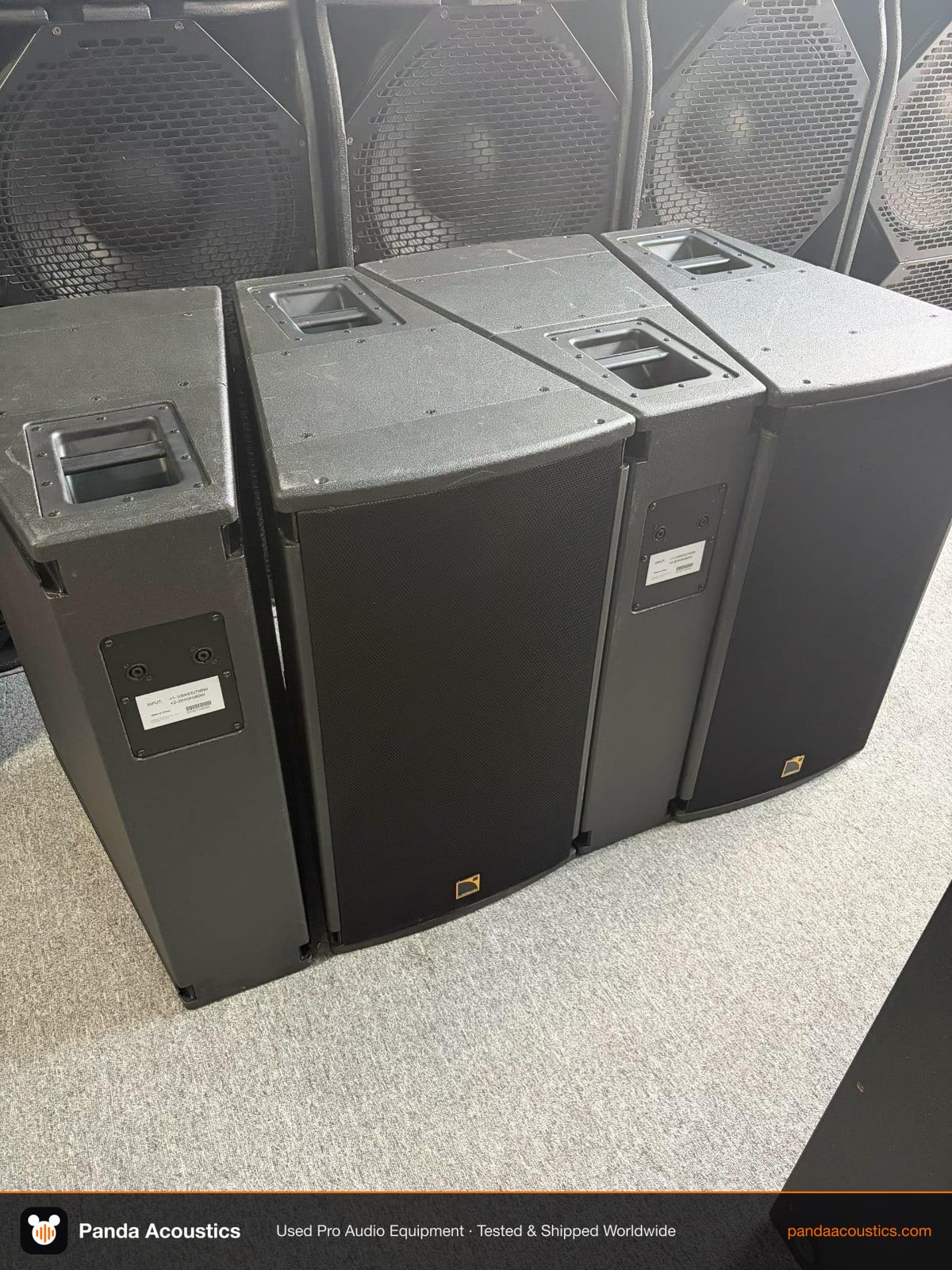
- Confirm the model and configuration in writing. Passive or active, impedance, cabinet type, connector type — get it in the invoice, not in a photo caption.
- Read the payment terms before agreeing to anything. Know what triggers the balance and what happens if the delivered goods do not match the report.
- Read the shipping and logistics page and confirm who bears risk at which point, so landed cost is calculated before commitment.
- Confirm the model exists in the product catalogue and matches what you are being quoted.
- Put warranty, lead time and remedy in the contract. These are Not disclosed in the published materials, so they must be negotiated explicitly or accepted as risk.
If any of these documents cannot be produced, treat the lot as unverified and either walk away or renegotiate the price to reflect the risk you are carrying.
FAQ
Can I check a used subwoofer myself if I buy from China?
Not before payment, unless you travel or appoint a third-party inspector. The practical alternative is to require a documented inspection report against a named standard and a grade per unit, and to structure payment so the balance follows confirmation.
What should the inspection cover on a subwoofer?
Ask the supplier to state which inspection standard the report follows and read that standard. The published inspection standard page is the reference; do not accept a checklist invented in a chat message.
Is a grade enough on its own?
No. A grade is only meaningful when it is tied to a published grading scale and applied per unit. Ask for both the grade and the inspection report behind it.
What if the supplier cannot provide a warranty period?
Warranty is Not disclosed in the available materials. If it is not in your contract, you have none. Price the lot accordingly or negotiate a remedy clause before paying.
How do I avoid surprises on landed cost?
Read the shipping and logistics page and confirm risk transfer and freight terms in writing before the deposit. Unit price alone is not the number you are deciding on.