If you run a KTV, bar, club, or touring sound company, you've probably heard the term "speaker management system" thrown around by installers and gear sellers. It sounds technical, but the concept is simple: it's the brain between your mixer and your amplifiers. Without one, you're gambling with your speakers every time you push the system. This guide explains what a speaker management system does, why it's critical for high-SPL applications, and what to check when buying used.
What a Speaker Management System Actually Does
A speaker management system—often called a drive rack, loudspeaker controller, or digital signal processor (DSP)—sits in the signal chain after your mixing console and before your power amplifiers. Its job is to take a full-range audio signal and split it into separate frequency bands for your subwoofers, mid-range cabinets, and tweeters. But that's just the start.
Here's what a typical unit handles:
Crossover: Splits the audio into frequency bands so each speaker only receives the frequencies it can reproduce safely. Send deep bass to a tweeter and you'll destroy it. A crossover prevents that.
Equalization (EQ): Adjusts the frequency response to compensate for room acoustics or speaker characteristics. This is how you tame a boomy KTV room or a harsh club system.
Limiting: Acts as a safety net. When the signal gets too hot, the limiter reduces the level before it reaches the amplifier, protecting your drivers from clipping and thermal damage.
Delay: Aligns the timing of different speaker cabinets so sound from the main PA and the subwoofers arrives at the listener's ears at the same moment. Misalignment causes muddy, undefined bass.
Routing and muting: Lets you send specific signals to specific outputs—for example, separate feeds for front fills, delays, or a stage monitor mix.
In short, a speaker management system is the central command that ensures your speakers operate within safe limits while delivering the best possible sound for the venue.
Why You Can't Skip It in Professional Audio
Some operators try to run a system without a management unit, especially in smaller bars or KTV rooms. They connect the mixer straight to the amps and hope for the best. This works only if the speakers have built-in passive crossovers and you never push them hard. In any high-SPL environment—a concert, a busy nightclub, or a large KTV complex—that approach leads to blown drivers, distorted sound, and unhappy customers.
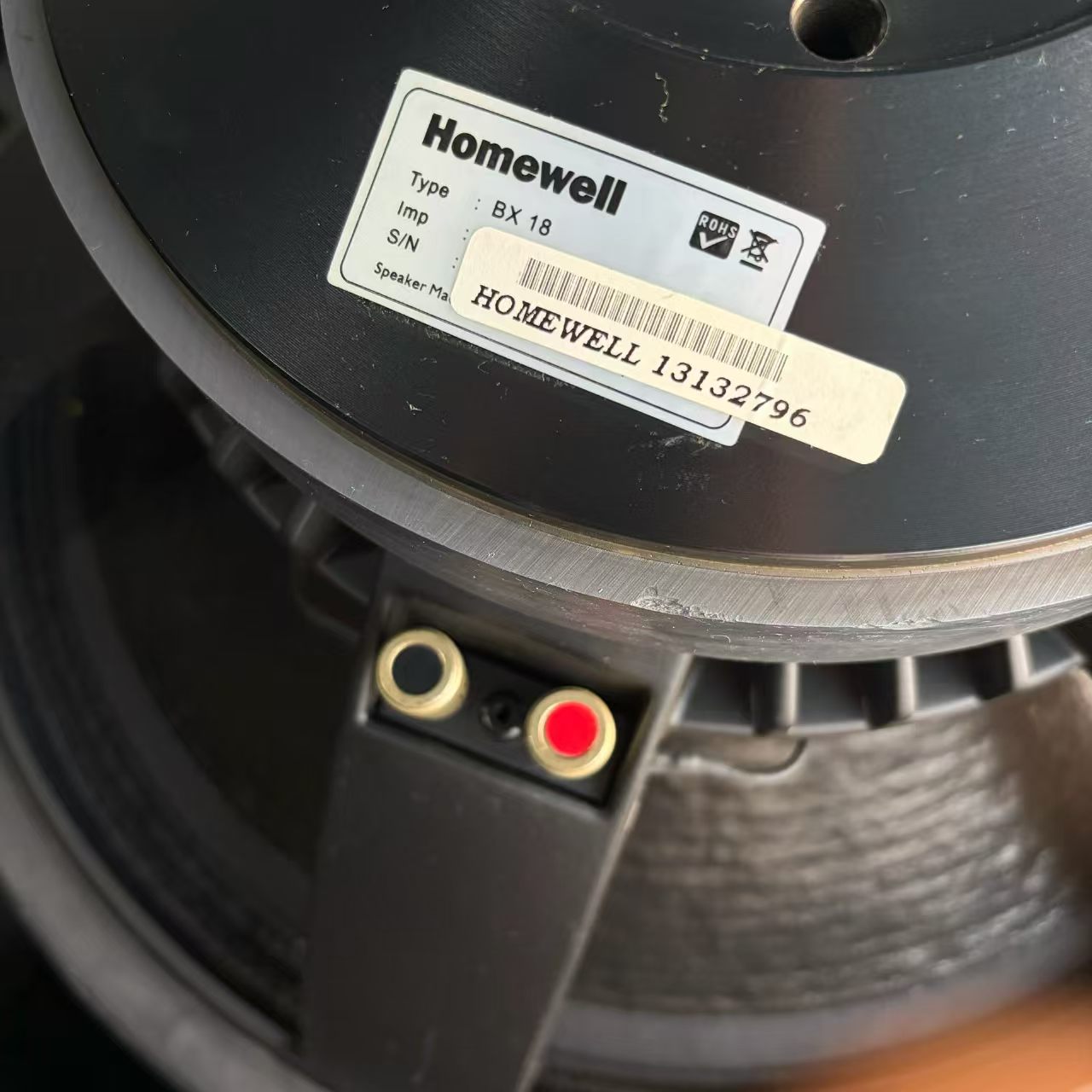
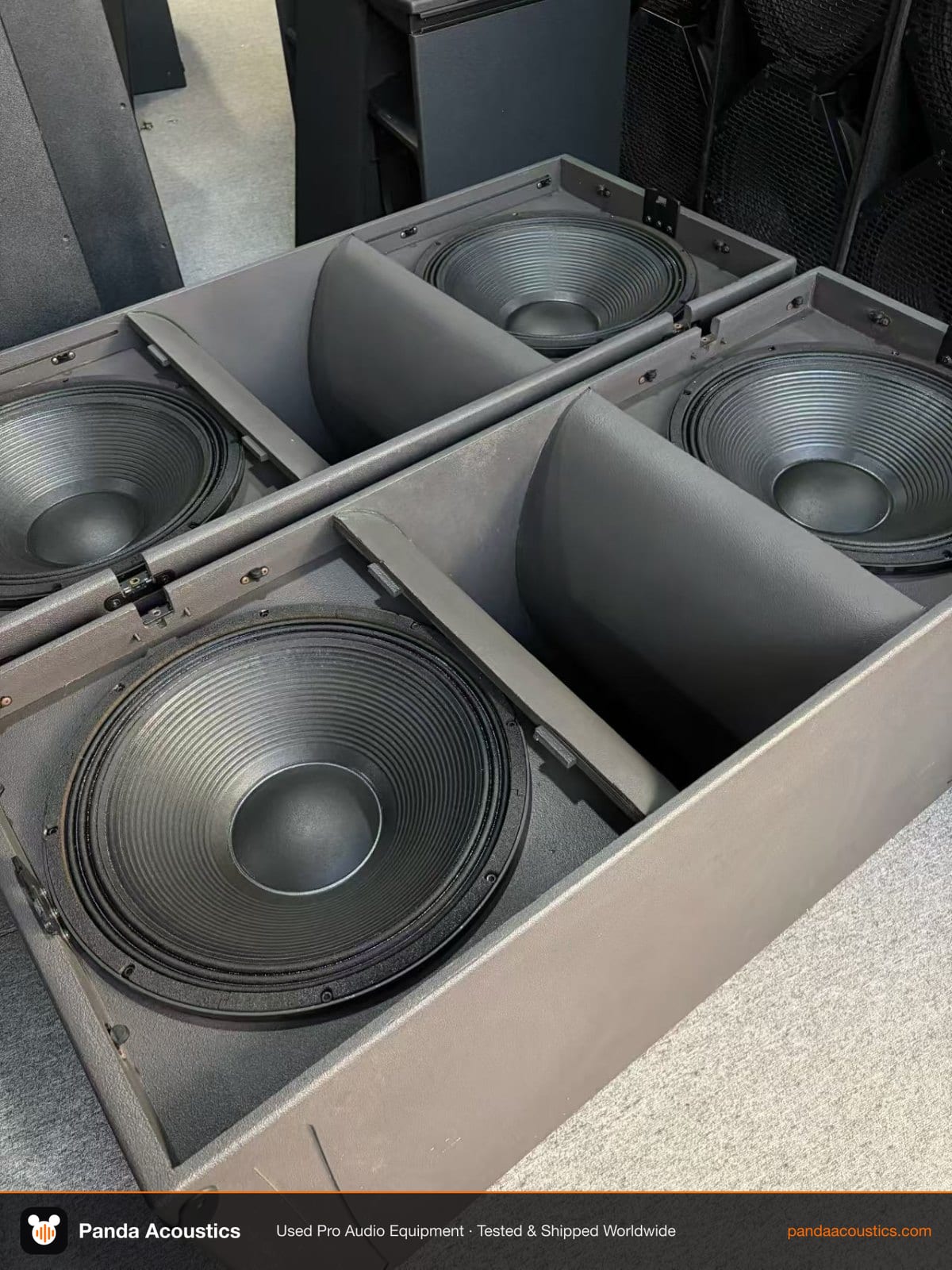
Consider a typical touring rig with L-Acoustics KS28 subwoofers and a line array. Those subwoofers are designed to handle enormous power, but they need a precise low-pass filter and limiting to survive night after night. Without a proper management system, you're one feedback spike away from a costly repair. The same applies to KTV systems using multiple Homewell BX18 loudspeaker units—each cabinet has its own power handling and frequency response, and a management system ensures they all work together without one section overpowering another.
Beyond protection, a management system improves sound quality. It lets you tune the system to the room, compensate for speaker placement, and deliver consistent performance across the dance floor. For touring companies, it means repeatable results from venue to venue.
Key Features to Look For in a Used Unit
When buying used, you want a unit that is reliable, flexible, and easy to operate. Here are the features that matter most:
Input and output count: Match the number of outputs to your speaker configuration. A simple two-way system needs at least two outputs; a full-range PA with subs, tops, and delays might need six or eight. Count your amps and plan for future expansion.
Digital vs. analog: Most modern systems are digital, offering precise control, presets, and computer connectivity. Analog units are simpler but less flexible. Digital is the standard for professional use.
Preset memory: Look for a unit that stores multiple presets. This lets you switch quickly between different speaker configurations—for example, a KTV room preset and a live band preset—without re-tuning from scratch.
Connectivity: USB, Ethernet, or RS-485 ports allow you to connect a laptop for setup and monitoring. Some units offer wireless control via a tablet, which is convenient for on-the-fly adjustments.
Limiters and protection: Check that the limiters are functional and that the unit has thermal and short-circuit protection. These features are critical for safeguarding your amplifiers and speakers.
Build quality: Rack-mount units take a beating on the road. Look for sturdy metal chassis and secure connectors. Avoid units with flimsy plastic parts.
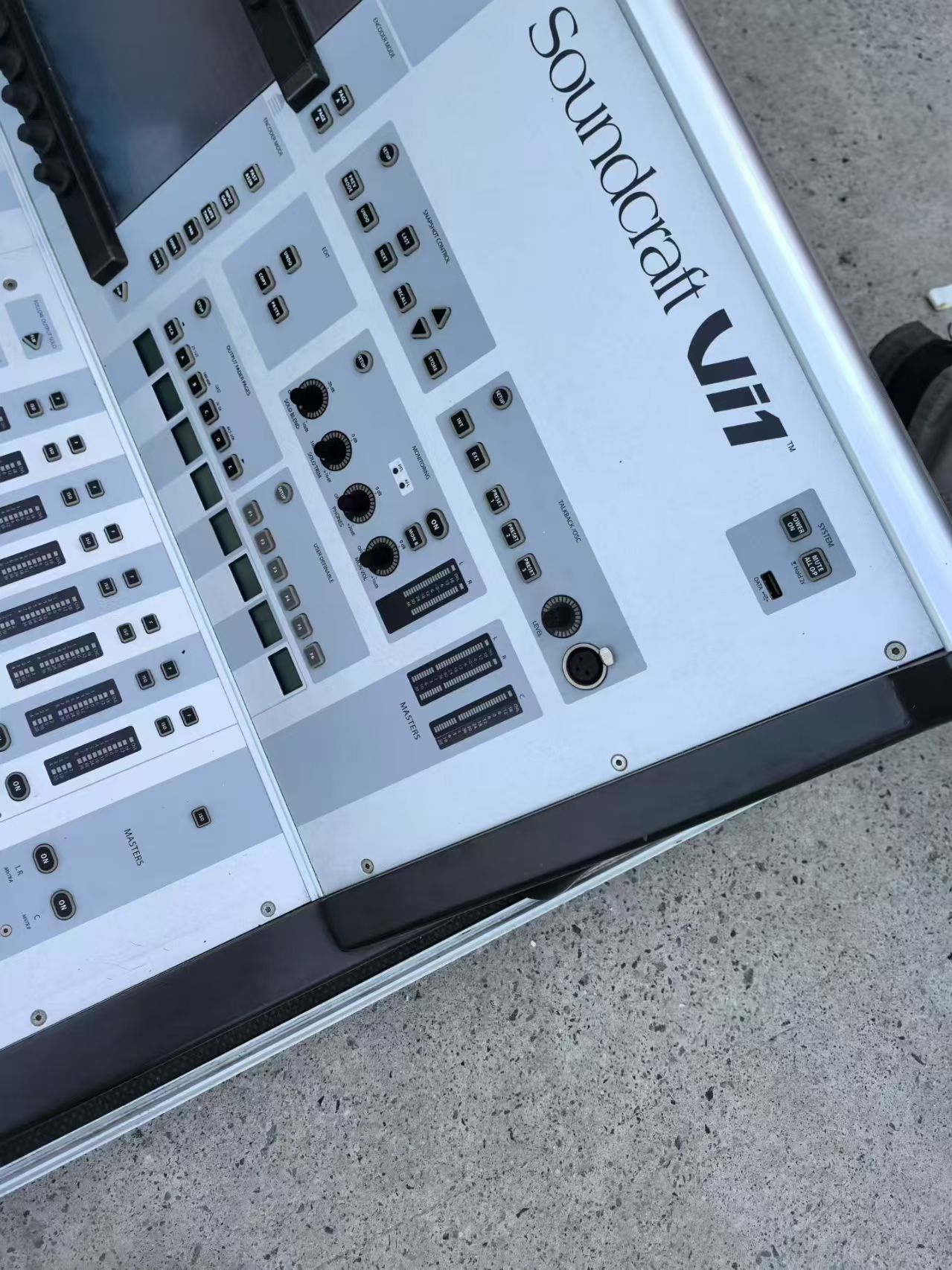
If you're integrating a digital mixer like the Allen & Heath SQ-6 or Soundcraft Vi1, ensure the management system can accept the mixer's output level and interface cleanly. Most pro mixers output line-level analog or AES/EBU digital audio, and your management system should be compatible.
How to Inspect a Used Speaker Management System
Buying used is a smart way to save money, but you need to verify condition. Here's a practical checklist:
1. Power it up: Check that the display lights up and the unit boots without errors. If possible, navigate through the menus to ensure buttons and encoders respond.
2. Test inputs and outputs: Feed a signal into each input and confirm that all outputs pass audio. Listen for distortion, noise, or dropouts. Test the limiters by sending a hot signal and observing gain reduction.
3. Check the firmware: Ask the seller if the firmware is up to date. Older firmware may lack features or have bugs. If updates are available, factor that into your decision.
4. Inspect the connectors: XLR, TRS, and terminal block connectors can wear out. Look for bent pins, corrosion, or loose jacks. These are repairable but indicate heavy use.
5. Look for signs of tampering: If the case has been opened, ask why. Some units are modified for specific installations, which may not suit your needs.
6. Verify the model and version: Some manufacturers release different versions of the same model with varying features. Confirm you're getting the version you expect.
If you can't test the unit in person, buy from a seller who offers a return policy or a warranty. For cross-border purchases, check that the voltage and plug type match your region. Many units support universal power supplies, but always confirm.
Where It Fits in Your Signal Chain
To visualize the setup: your microphones and playback sources connect to the mixing console. The console's main outputs feed the speaker management system. The management system processes the signal and sends it to the amplifiers, which power the speakers. In some systems, the management unit is built into the amplifier (powered speakers with DSP), but for large-scale rigs, separate units are the norm.
When integrating with a digital mixer, you can often route outputs directly to the management system via analog XLR or digital AES/EBU. This keeps the signal clean and reduces cable clutter. If you're using a Soundcraft Vi1 or Allen & Heath SQ-6, check the output options and plan your cabling accordingly.
Buying Used: What to Expect and How to Proceed
The used market for speaker management systems is strong. Many touring companies upgrade to newer models and sell off working units. You can find reliable gear from brands like dbx, BSS, Xilica, and Lake, among others. Prices vary based on features, condition, and age, so it's wise to compare listings.
Before you buy, define your requirements: number of outputs, digital or analog, preset memory, and remote control. Then look for a unit that meets those needs and has been tested. If you're buying from overseas, factor in shipping and any import duties. For a smooth transaction, request photos of the unit powered on and ask for a video demonstrating the outputs working.
At Panda Acoustics, we supply tested used professional audio equipment to KTV operators, touring companies, and venues worldwide. Our team can help you choose a speaker management system that matches your existing gear, whether you're running L-Acoustics KS28 subs, Homewell BX18 units, or a full line array. We don't make promises we can't keep—we simply provide honest condition reports and let you decide.
For more details on specific models and buying advice, explore our knowledge base or contact us directly.