If you are searching for a used active PA subwoofer for sale, you already know the appeal: more low-end for your budget. But active subs bring extra risk. The amplifier, DSP, and power supply are built in, and any one of them can fail. This guide is for buyers in Russia, the Middle East, South America, and Africa who purchase in volume and need to know exactly what they are getting.
Why Active Subwoofers Are Different
An active subwoofer has its own amplifier module, usually Class D, with a built-in crossover and sometimes DSP. That means you do not need an external amp, but it also means the sub is only as good as its electronics. In hot, humid, or dusty environments, heat and moisture are the main killers. When you buy used, you are not just buying a driver in a box; you are buying a complete system that must work reliably night after night.
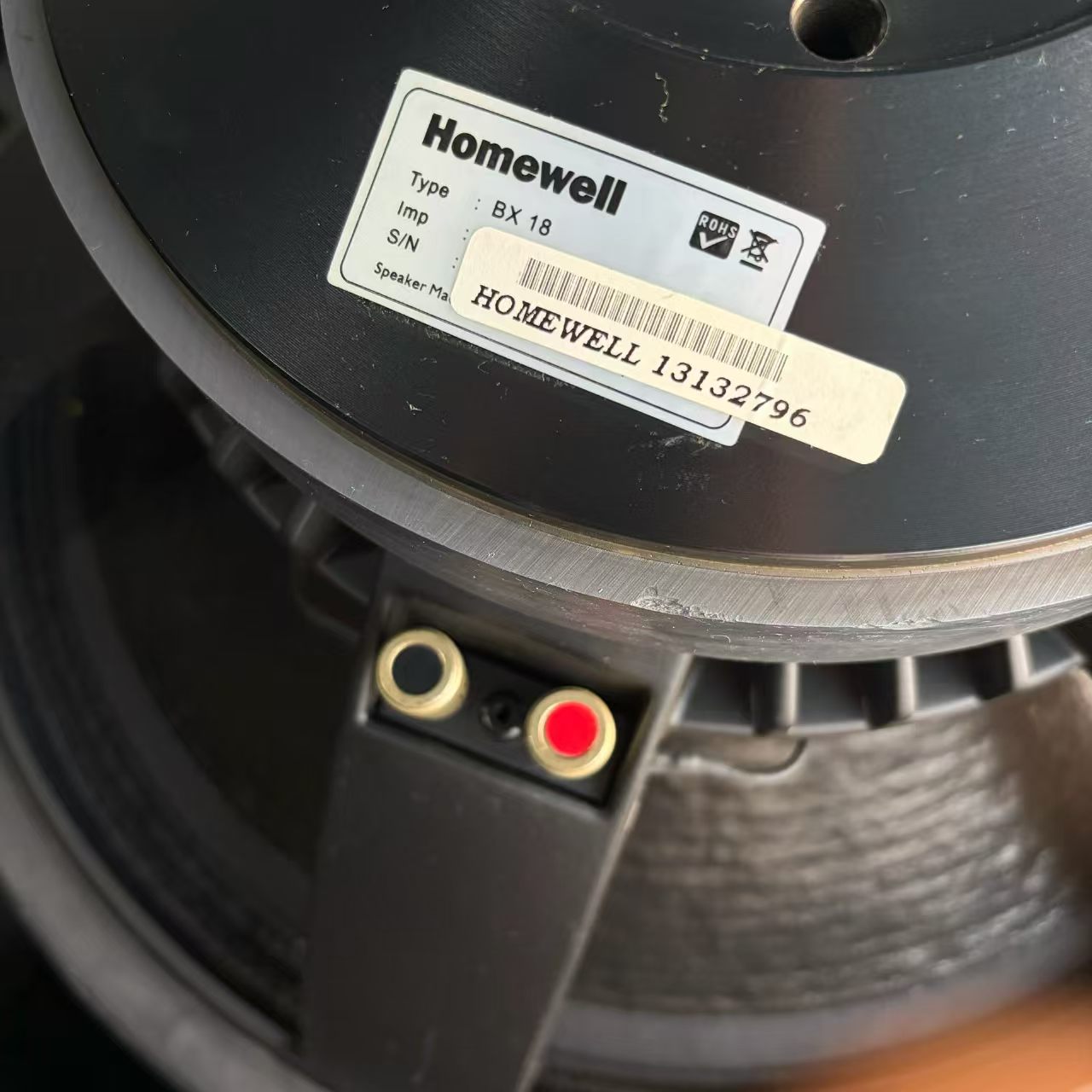
Common active sub sizes are 15-inch and 18-inch. For KTV rooms, a 15-inch active sub is often enough. For live bands, DJs, and clubs, 18-inch models are the standard. The Homewell BX18 is an 18-inch loudspeaker unit that can be used in active subwoofer designs, and it is a model we see in volume. But whether you buy that or another brand, the inspection process is the same.
What to Inspect on a Used Active Subwoofer
Never buy based on photos alone. Ask for a video call or a detailed video showing the sub playing. Specifically request:
1. Power-up and idle noise. With no signal, the sub should be silent. Any hum, buzz, or crackle points to a failing power supply or grounding issue.
2. Driver condition. Push the cone gently. It should move smoothly without scraping. Look for tears, repairs, or aftermarket recones. A recone is not automatically bad, but it must be done correctly.
3. Amplifier and controls. Test every knob, switch, and input. If it has DSP presets, cycle through them. If it has a limiter LED, drive it hard and confirm the limiter engages. A stuck limiter means the amp is tired.
4. Cabinet and ports. Check for cracks, water damage, and loose joints. Ports should be free of debris. A rattling cabinet will ruin the sound.
5. Thermal behavior. Run the sub at moderate level for at least 15 minutes. The amp should get warm, not hot. If it shuts down, walk away.
For a deeper checklist, see our guide to testing used subwoofers.
Matching Active Subs to Your System
Active subs are often used with full-range speakers. If you are building a KTV system, you might pair active subs with two-way full-range speakers. For touring or club systems, you may use them with line arrays or point-source tops. The key is to match impedance and levels. Most active subs have a built-in crossover with a high-pass output for your tops. Make sure that output works and that the crossover frequency is adjustable. If you are mixing brands, test the integration before you buy in volume.
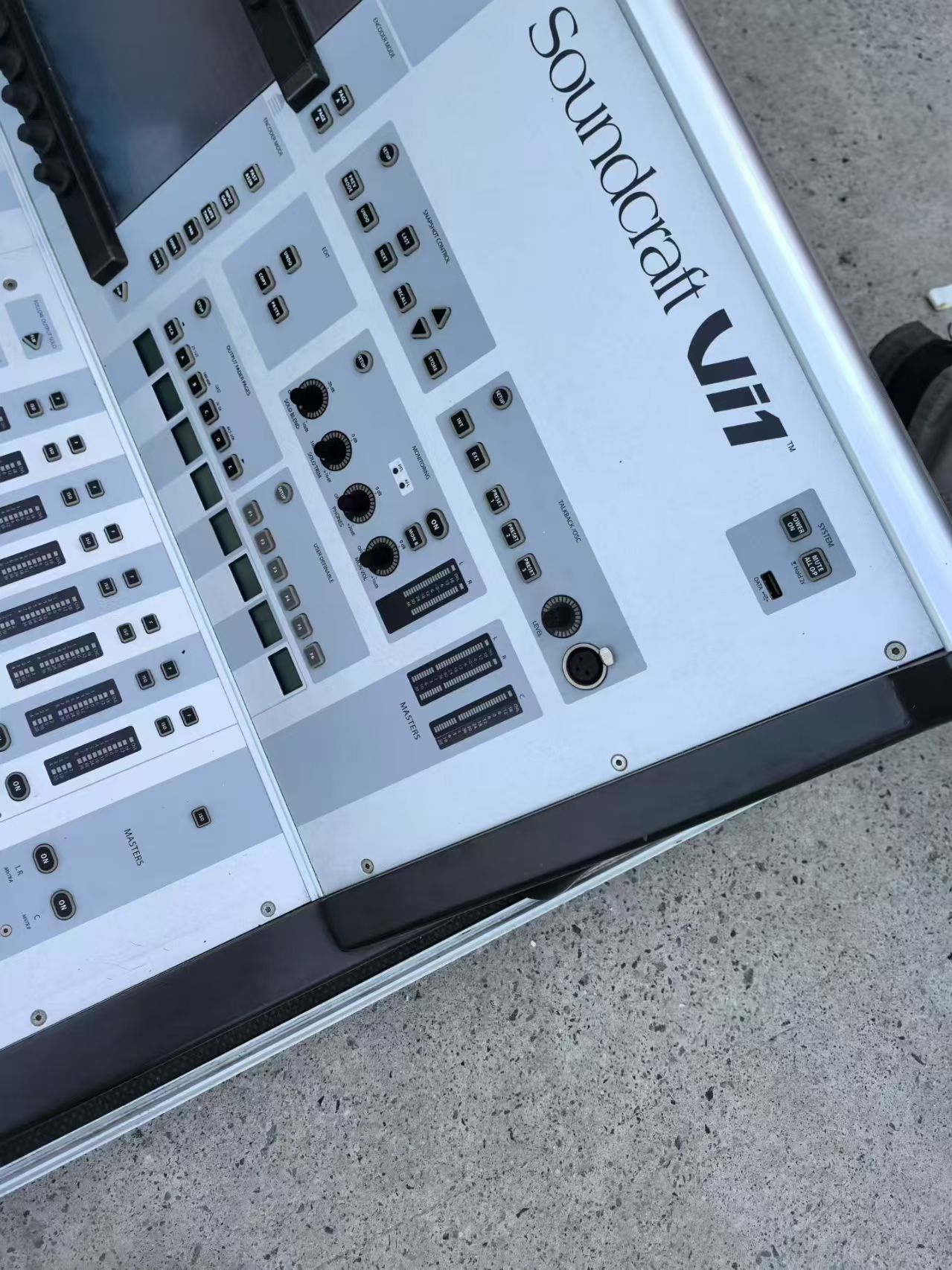
If you need a mixing console to control the system, the Allen & Heath SQ-6 and Soundcraft Vi1 are common in touring and installs. But the subwoofer is the foundation; get that right first.
Buying in Volume: What to Ask
When you buy multiple units, consistency matters. Ask the seller to test each sub individually and provide a report. If you are importing, request that the subs are packed with the amp modules protected. Heat and vibration during shipping can loosen connectors. Also ask about the history: were they used in a fixed install or on the road? Fixed installs are usually less abused, but they may have been run continuously. Touring subs may have road rash but better maintenance.
We do not publish prices or MOQ on this page because they change with stock and condition. Instead, we describe the process: you tell us your application, room size, and quantity. We then show you what is available, with test results. You decide. That is how a real B2B used gear supplier works.
Common Mistakes to Avoid
Buying without testing. Even a cheap sub is expensive if it dies in a month.
Ignoring the amplifier. A perfect driver with a bad amp is a paperweight.
Assuming all active subs are alike. Some are designed for low continuous output, others for high SPL bursts. Know your use case.
Forgetting about power. Check the voltage requirements. If you are in a region with unstable mains, you may need a stabilizer or a sub with wide-voltage input.
Where to Go Next
If you are ready to look at specific units, browse our used pro audio inventory. For system design help, see our KTV sound system solutions or bar and club solutions. If you have questions about a particular sub, contact us with the model and we will tell you what we know. We do not claim to be the biggest or the cheapest. We just test what we sell and describe it honestly.