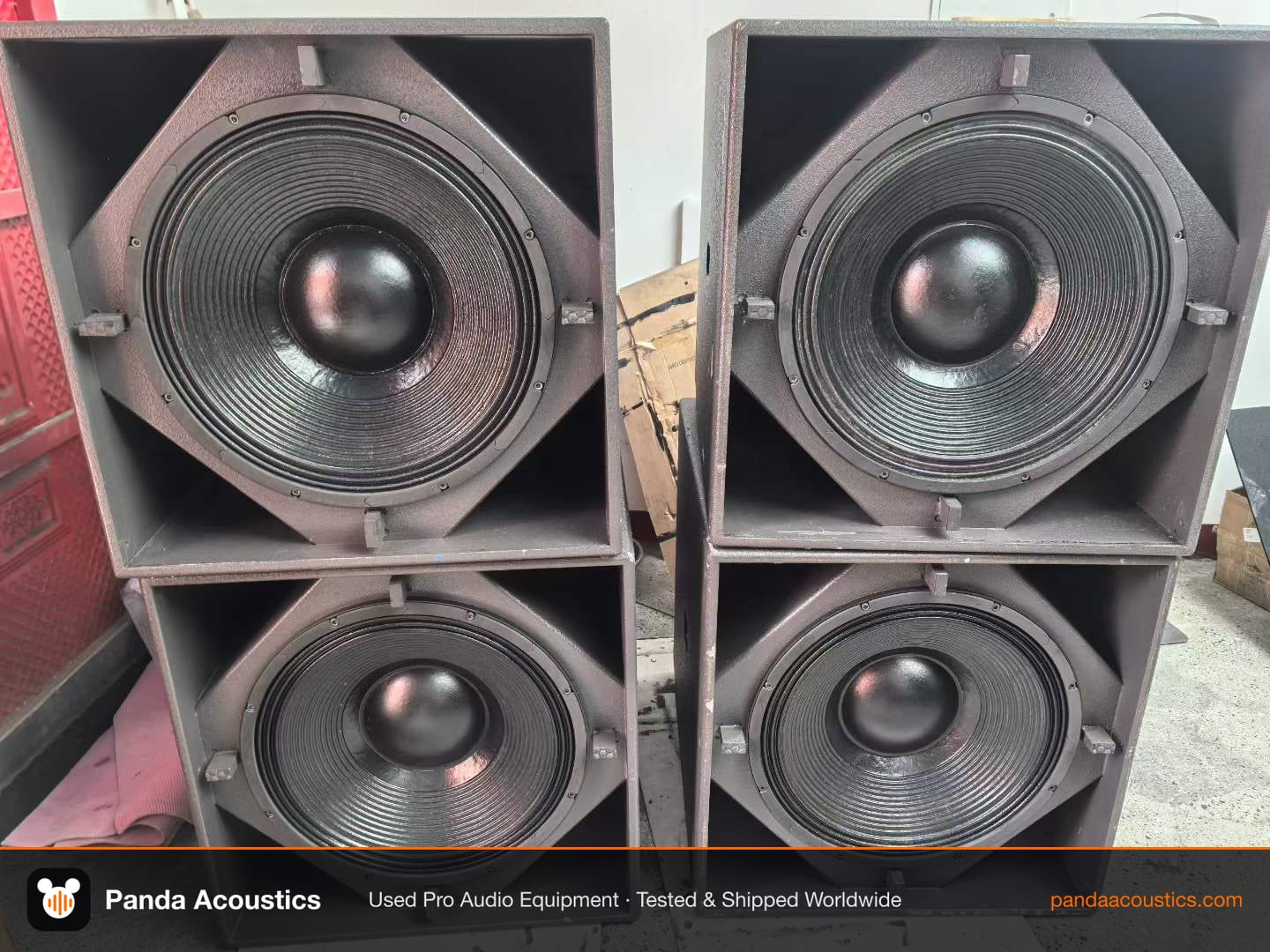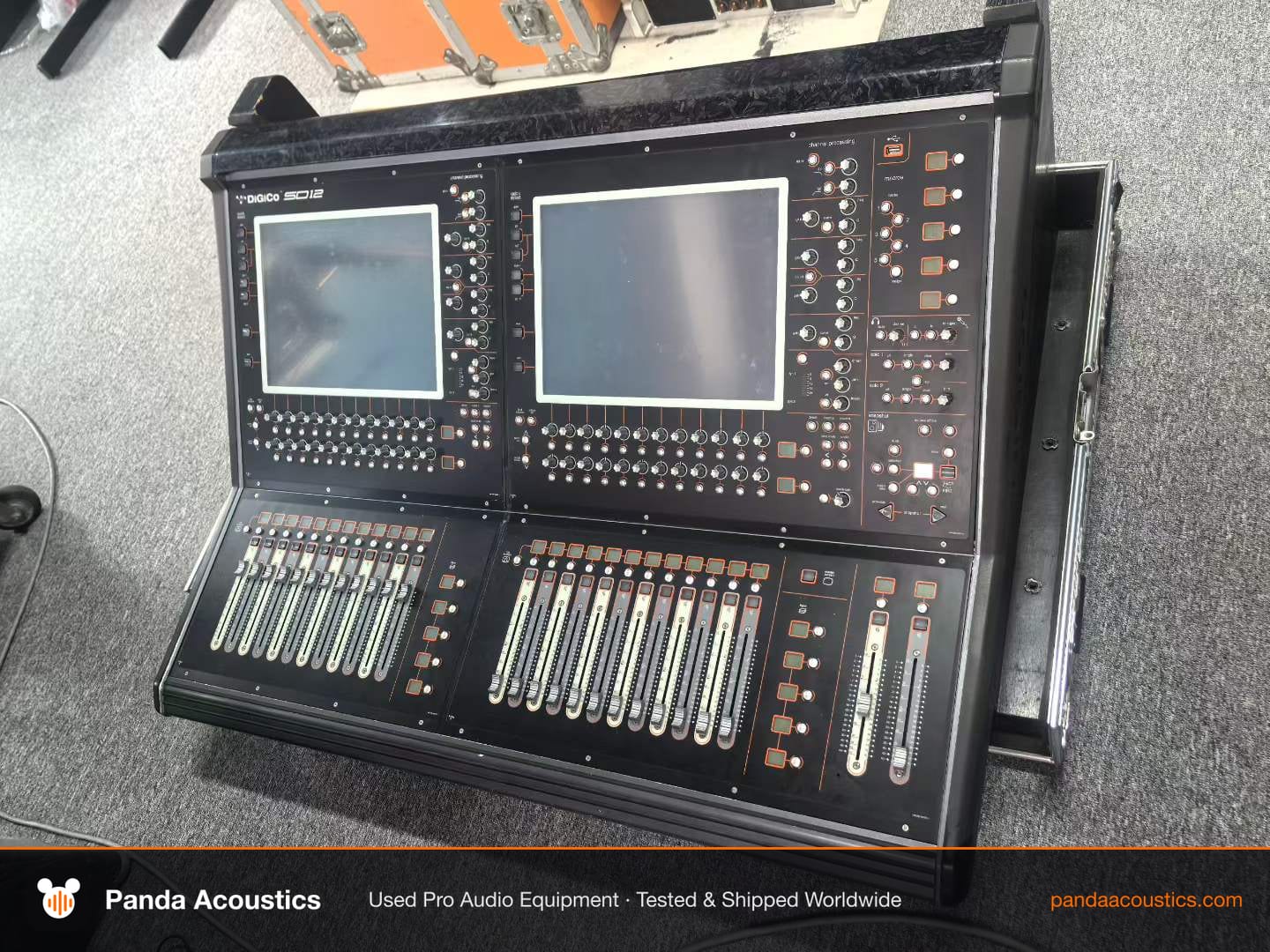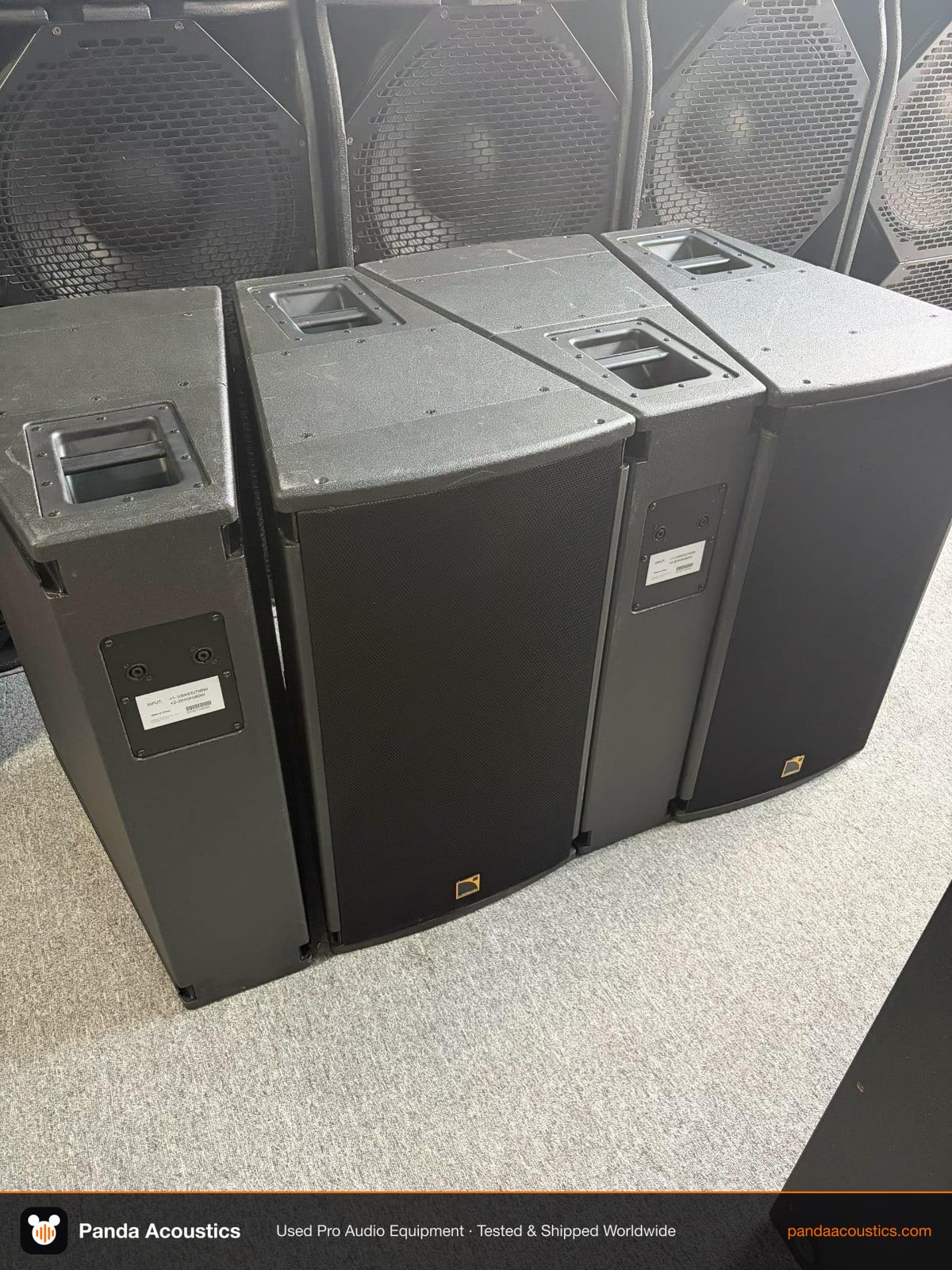
A sound management system is the processing unit that sits between your sources and your amplifiers: it handles crossover, EQ, limiting and level control so a PA or KTV room behaves predictably. For a bulk buyer, the question is not what it does but whether a used unit from China is worth the landed cost, and that answer depends on documented condition and inspection, not on the spec sheet.
Key takeaways
- A sound management system is a processing and control unit, not an amplifier and not a speaker; it shapes and protects the signal chain.
- Used units are sold by Panda Acoustics as tested used professional audio equipment in bulk to overseas B2B buyers, not as new retail stock.
- Price per unit for this category is Not disclosed in the available materials, so landed cost must be quoted per order.
- Condition is described through a published grading standard and a published inspection standard; ask for both before paying.
- Warranty period, MOQ and lead time are Not disclosed in the materials and must be confirmed in writing.
The decision
You run KTV rooms, a rental fleet, a touring rig or a bar system, and you are buying processing in volume rather than one unit at a time. The system has to survive transport, repeated setup and teardown, and staff who are not audio engineers. You are weighing a used unit from a China-based supplier against whatever local stock you can find, and the real comparison is total landed cost against documented condition.
That decision has two halves. The first is fit: does the unit have the inputs, outputs and control you need for your room count or your amp racks. The second is risk: what has been checked, how it is graded, and what happens if a unit arrives dead. The first half is answerable from a datasheet. The second half is only answerable from the supplier's inspection and grading documentation.
What the data says
The materials available for this article are limited, and that is itself the point. Panda Acoustics is Beijing Panda Acoustics Technology Co., Ltd., a supplier of tested used professional audio equipment sold in bulk to overseas B2B buyers. The buyer base named in the materials is KTV operators, touring sound companies, rental houses, bars and clubs in Russia, the Middle East, South America and Africa.
What is not in the materials: no price range per unit, no product list for this category, no MOQ, no warranty period, no lead time and no certification list. Every one of those is Unknown or Not disclosed. Any article that fills those blanks for you is guessing, and you should treat a quoted figure that does not come from the supplier's own documentation as unverified.
What the materials do give you is a process. There is a published condition grading standard, a published inspection standard, published payment terms and published shipping and logistics information. Those four documents are the actual data you can act on, and they are more useful than a spec sheet when you are buying used in volume.
What the datasheet and docs don't tell you
A datasheet describes a unit as it left the factory. It does not describe the unit you are being offered. For a used sound management system, the gaps that matter are:
- Unit-specific condition. The grade assigned to your actual units is Not disclosed until you request it against the grading standard.
- What was inspected and how. The inspection standard exists as a published page, but the result for a specific lot is Not disclosed until you ask for it.
- Warranty. The warranty period is Not disclosed in the materials. This matters because a processing unit that fails in a KTV room takes the whole room offline.
- MOQ and lead time. Both are Not disclosed. For a rental house planning a season, lead time is a scheduling input, not a detail.
- Certification. No CE, RoHS, UL, FCC or ISO certification appears in the materials. If your market requires compliance paperwork, treat it as unverified and ask directly.
Why this matters: a sound management system is a low-visibility, high-consequence part of the chain. Nobody notices it until it fails, and when it fails the amplifiers and speakers downstream are exposed. That asymmetry is why the documentation matters more here than the headline spec.
Who should not choose this
Do not buy a used sound management system from a bulk China supplier if any of the following is true.
- You need a fixed new-unit warranty with a stated period. That period is Not disclosed here, so a used bulk purchase is the wrong channel for you.
- You need certification paperwork for a tender or a regulated venue. No certification appears in the materials, so you cannot assume it.
- You are buying one unit for a single small install. Bulk terms and international freight do not make sense at that volume.
- You cannot review a condition grade and inspection result before paying. Without those documents you are buying blind, and no price advantage compensates for that.
If you fall into any of these, buy locally with a local warranty, or buy new. That is a legitimate answer, not a lost sale.
Comparison and trade-offs
The materials do not contain competitor specifications, so this section compares channels and risks rather than brands.
- Used bulk from China vs local new stock. The used channel offers volume and a lower unit cost in principle, but price per unit is Not disclosed and must be quoted. The local channel offers a warranty you can enforce in your own country. The trade-off is cost against recourse.
- Documented grade vs undocumented stock. A unit sold against a published grading standard and inspection standard gives you something to hold the supplier to. Undocumented stock gives you nothing. Same category, different risk.
- Processing unit vs integrated amplifier with DSP. A standalone sound management system keeps processing separate from amplification, so a processor failure does not take out your amps. The trade-off is more boxes, more cabling and more rack space.
Take a position: for a rental fleet or a multi-room KTV build, the documented-grade used route is the better buy, because you can spread risk across a lot and you have paperwork to enforce. For a single prestige install where downtime is unacceptable and paperwork is mandatory, it is the wrong buy.
Implementation and next step
Before you pay for anything, do these in order.
- Read the condition grading standard and confirm which grade you are being quoted.
- Read the inspection standard and ask for the inspection result for your specific lot.
- Check the product catalogue to confirm the model and I/O count match your room or amp rack plan.
- Confirm payment terms and shipping costs in writing so you can calculate total landed cost, since unit price alone is Not disclosed.
- Ask directly, in writing, for warranty period, MOQ and lead time, and treat any verbal answer as unverified.
Next step: request the condition grade and inspection result for the specific sound management system units you are considering, and do not release payment until both are in writing.