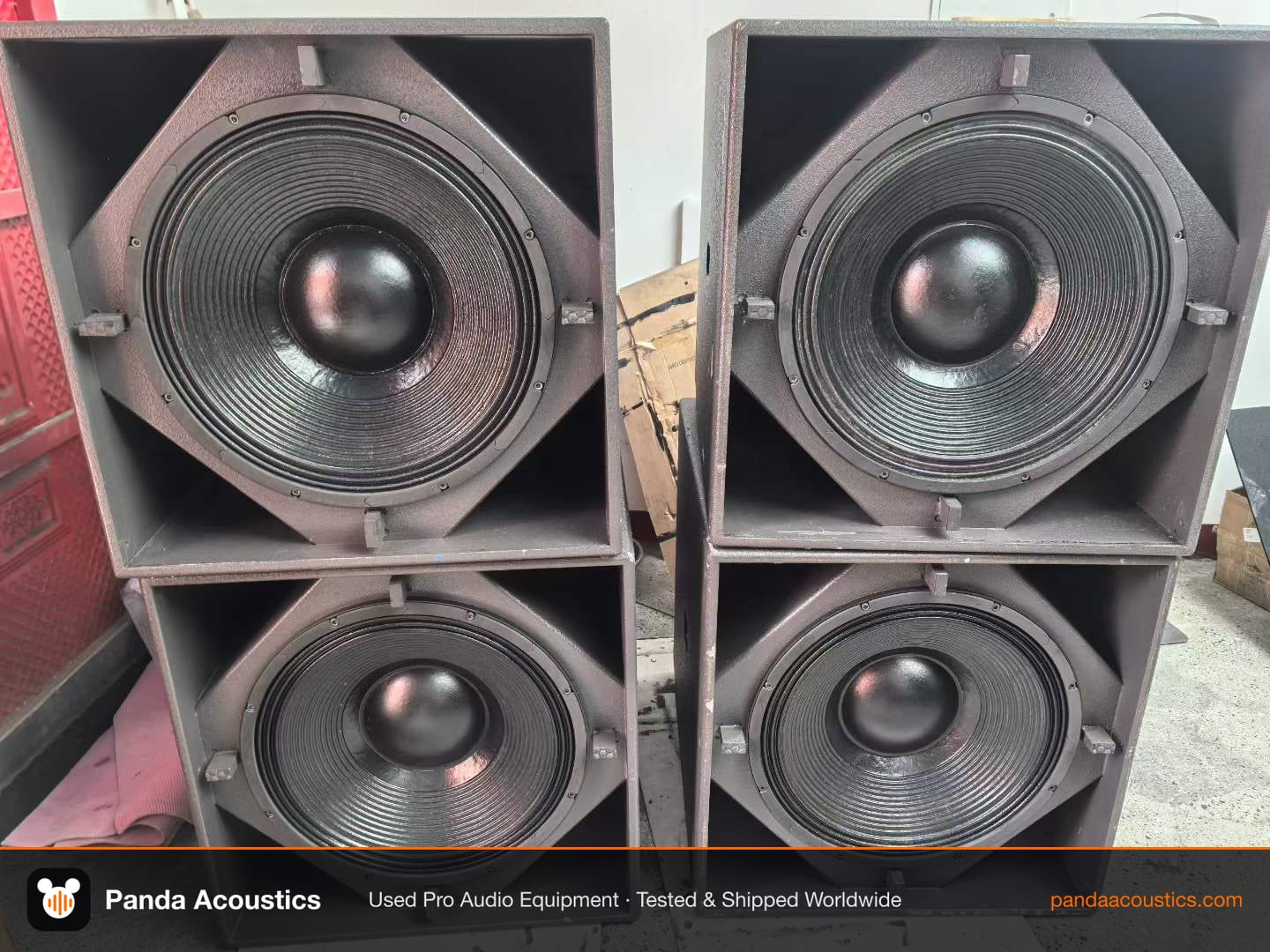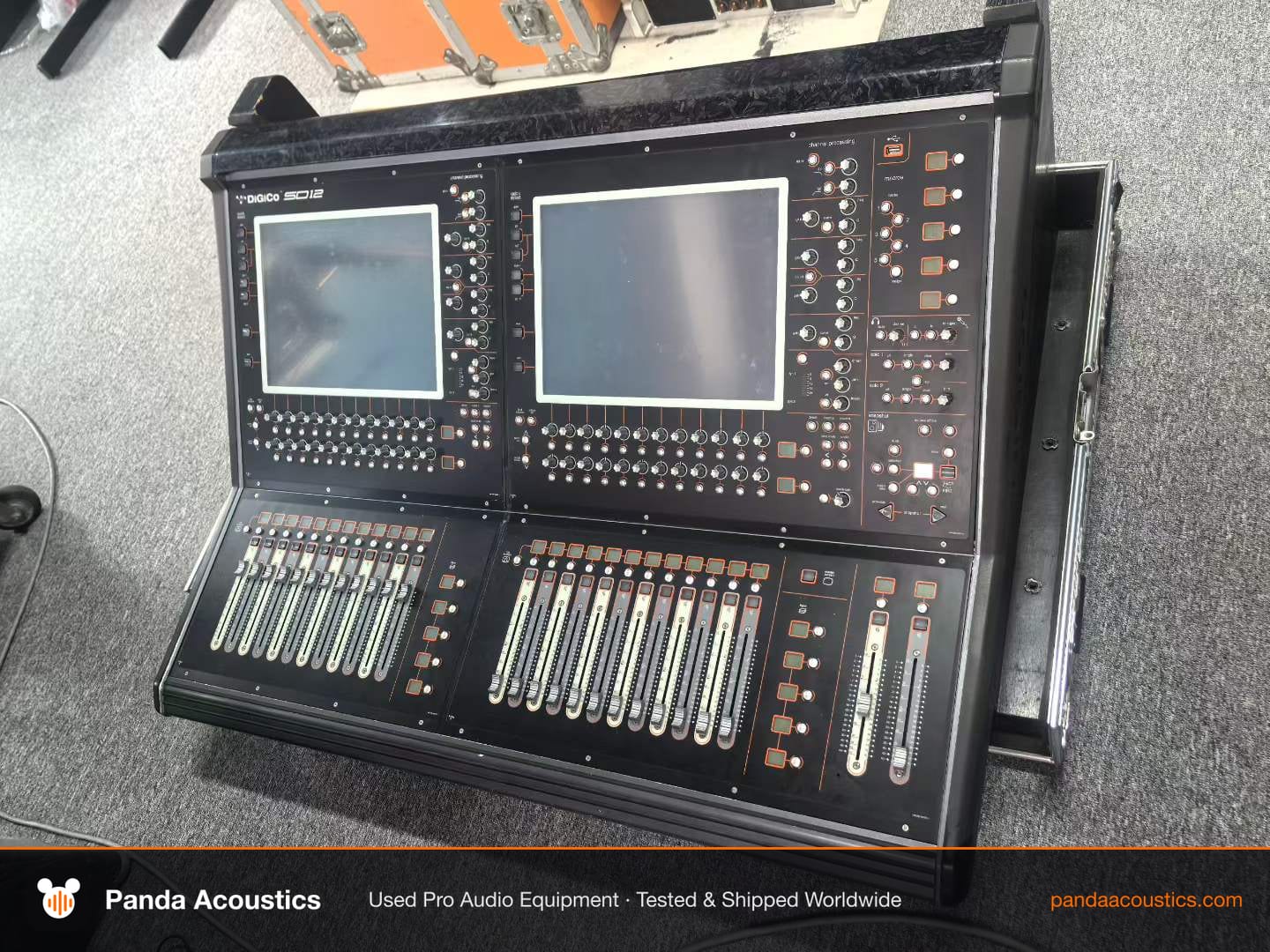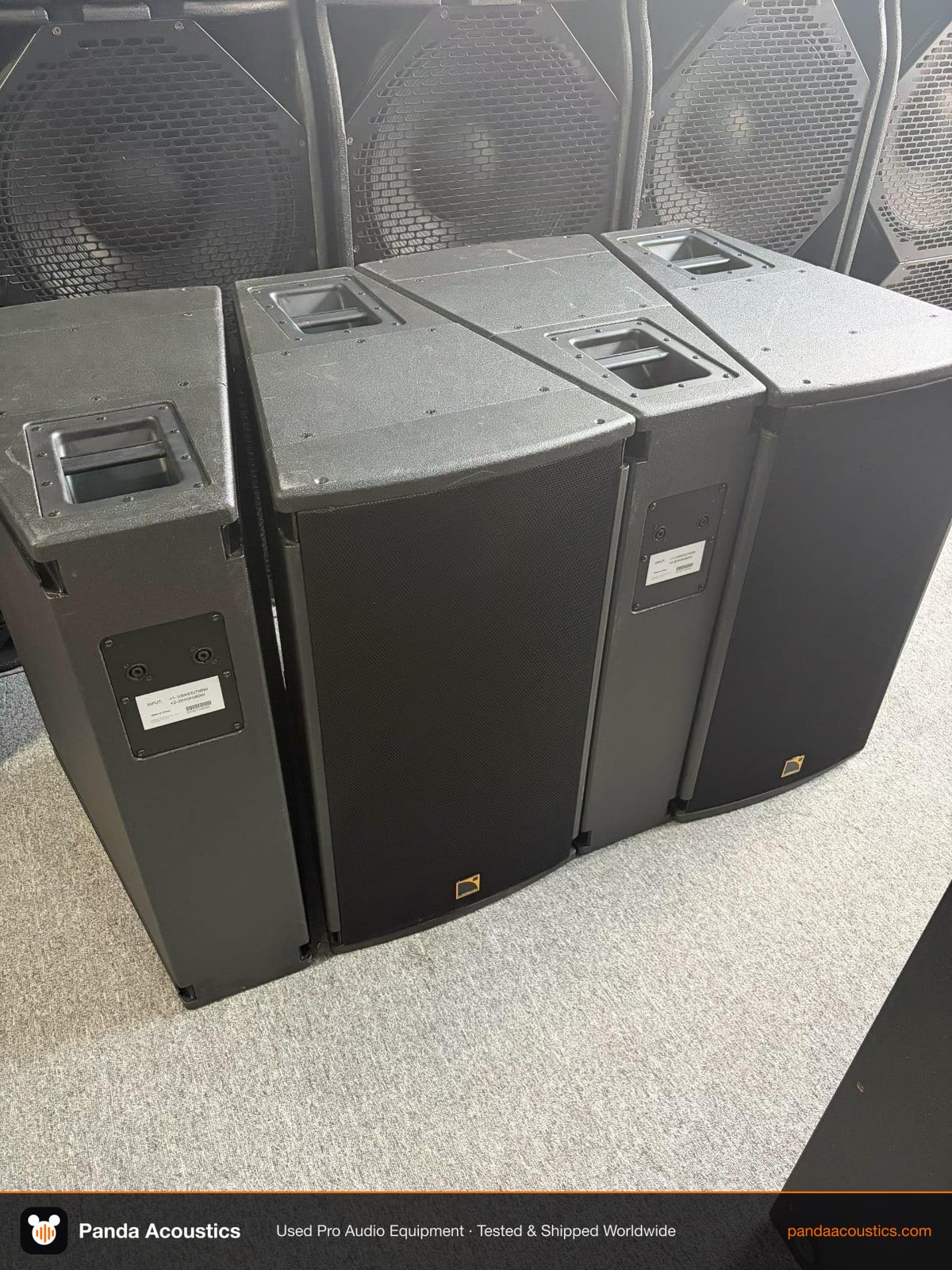
Yes, you can use a bookshelf speaker for karaoke — it will reproduce vocals and backing tracks. But it is a compromise: bookshelf speakers are built for low-to-moderate listening levels in a small room, not for hours of loud singing with microphones in front of them. For a commercial KTV room, a tested used professional vocal-room speaker is the safer default.
Key takeaways
- A bookshelf speaker works for karaoke in a small room at moderate volume; it is not designed for sustained high-level vocal playback.
- Microphones plus a speaker in the same small room raise feedback risk, and a bookshelf cabinet gives you little control over that.
- Two small woofers in a compact box will not deliver the low-end weight that a KTV room or bar expects from backing tracks.
- Used professional vocal-room speakers bought in bulk can be graded and inspected before payment; a random pair of bookshelf speakers usually cannot.
- Condition, not marketing, decides the outcome — see our condition grading standard for how used stock is classified.
The decision in front of you
You are fitting or refitting karaoke rooms — a KTV venue, a bar with a singing corner, a rental house that supplies party rooms. Someone has suggested bookshelf speakers because they are small, cheap and easy to hang. Your actual decision is not "can it make sound" but "will this speaker still be working, and still sound acceptable, after a year of paying customers singing into it every night." That is a commercial durability question, and it is the same question you would ask of any used speaker you buy in volume from China.
Frame it as three checks: room size and expected volume, how the speaker will be protected from feedback and overload, and whether the seller can prove the condition of what ships. Bookshelf speakers usually pass the first check in small rooms and fail the second and third.
What the data says
Panda Acoustics sells tested used professional audio equipment in bulk to overseas B2B buyers — KTV operators, touring sound companies, rental houses, bars and clubs in Russia, the Middle East, South America and Africa. That is the supply side of this decision.
On the specific question of bookshelf speakers for karaoke, the materials do not give a power rating, sensitivity figure, impedance, frequency response or maximum SPL for any bookshelf model. Those figures are Not disclosed. Price per unit is Not disclosed, and there is no product price or MOQ in the materials, so no cost comparison can be quoted here.
What the materials do define is process. Used stock is classified under a published condition grading standard and checked against a published inspection standard. Payment is handled under stated payment terms, and movement of goods under stated shipping and logistics terms. The available stock sits in the product catalogue.
That asymmetry is the point. For a bookshelf speaker bought locally or online, you typically get a marketing description. For graded used professional stock, you get a condition class and an inspection record you can hold the seller to. The second is what a bulk buyer can actually build a venue on.
What the datasheet and the listing don't tell you
Unknown: the sustained power handling of a bookshelf speaker under vocal-heavy karaoke use. Consumer listings usually quote a nominal power figure, not how the driver behaves after two hours at high level. Why it matters: a KTV room runs far longer and louder than a living room, and the failure mode is a burnt voice coil, not a warning light.
Unknown: maximum SPL at the listening position in a room of your size. Without that, you cannot know whether the speaker will keep up with a singer and a full backing track. Why it matters: an underpowered speaker gets pushed into distortion, and distortion plus a live microphone is how tweeters die.
Not disclosed: the condition history of a used bookshelf pair — whether it was driven hard, whether the surrounds are original, whether the cabinets have been opened. Why it matters: two identical-looking pairs can be worth very different amounts, and you are buying in volume, so the error multiplies.
Not verified: any certification of bookshelf or professional stock. The materials list no CE, RoHS, UL, FCC or ISO certification, so do not assume one exists for the goods you are quoted. Ask, and get it in writing, or treat it as absent.
Not disclosed: warranty period and lead time. Neither appears in the materials. Why it matters: for a venue opening on a date, lead time is a planning input, not a detail — confirm it under shipping and logistics before you commit.
Who should not choose a bookshelf speaker
Do not choose bookshelf speakers if you run a multi-room KTV venue where every room is loud at the same time. The rooms need consistent vocal clarity, feedback control and a predictable replacement path when one unit fails; a mixed bag of consumer boxes gives you none of that, and swapping a failed unit means matching a discontinued model.
Do not choose them for a bar or club where karaoke is the main event rather than a side activity. Sustained high-level singing with microphones in a reverberant room is exactly the duty a compact consumer cabinet is least suited to, and a failure mid-evening costs you the night.
Do not choose them if you are buying in bulk sight-unseen from an overseas seller who cannot show you a condition grade or an inspection record. In that case you are not buying a speaker, you are buying a hope.
Comparison and trade-offs
Bookshelf speaker versus tested used professional vocal-room speaker, using only what the materials support:
- Documented condition: graded used professional stock has a published condition class and inspection standard; a bookshelf speaker listing generally has neither. Advantage: professional used stock.
- Bulk consistency: buying a matched batch of one professional model lets you standardise rooms and spares; consumer bookshelf pairs are usually one-off purchases. Advantage: professional used stock.
- Room fit: a compact bookshelf cabinet physically suits a very small room; a professional vocal-room speaker is built for the job but takes more space and mounting thought. Advantage: bookshelf only in the smallest rooms.
- Cost per unit: Not disclosed for either option in the materials, so no price-based recommendation is possible here.
- Risk of hidden faults: Unknown for bookshelf speakers; reduced for graded stock because inspection is a stated process. Advantage: professional used stock.
Take a clear position: bookshelf speakers are a legitimate stopgap for a handful of small, low-volume rooms, and a poor foundation for a commercial karaoke business. If the budget only stretches to bookshelf speakers, buy fewer rooms properly rather than more rooms badly.
Implementation: what to do before you pay
First, measure the room and decide the target level. If the room is small and singing is occasional, a bookshelf speaker is defensible. If it is a dedicated KTV room, write down the model and quantity of professional vocal-room speaker you actually need.
Second, shortlist from the product catalogue and ask for the condition grade of each unit in the batch, checked against the grading standard. Ask for the inspection record, not a verbal assurance.
Third, put the commercial terms in writing before any deposit: payment schedule under the payment terms page, shipping method and estimated transit under the shipping page, and written answers on warranty, lead time and certification. If any of those come back as Unknown or Not disclosed, treat it as a risk you are accepting, not a detail to sort out later.
Next step: request a graded, inspected quote for a matched batch of used professional vocal-room speakers for your room count, and compare its total landed cost against the bookshelf option before you commit to either.