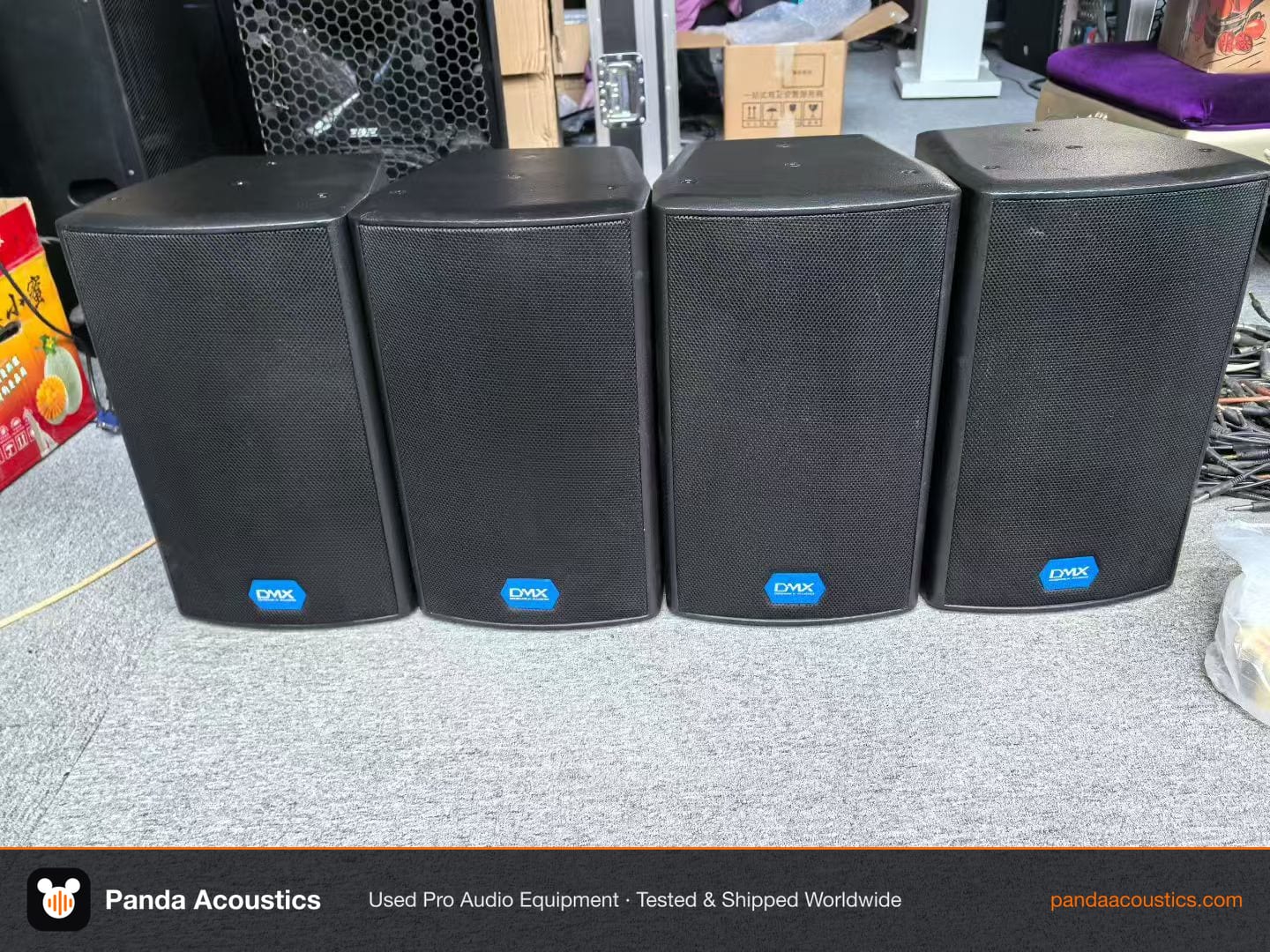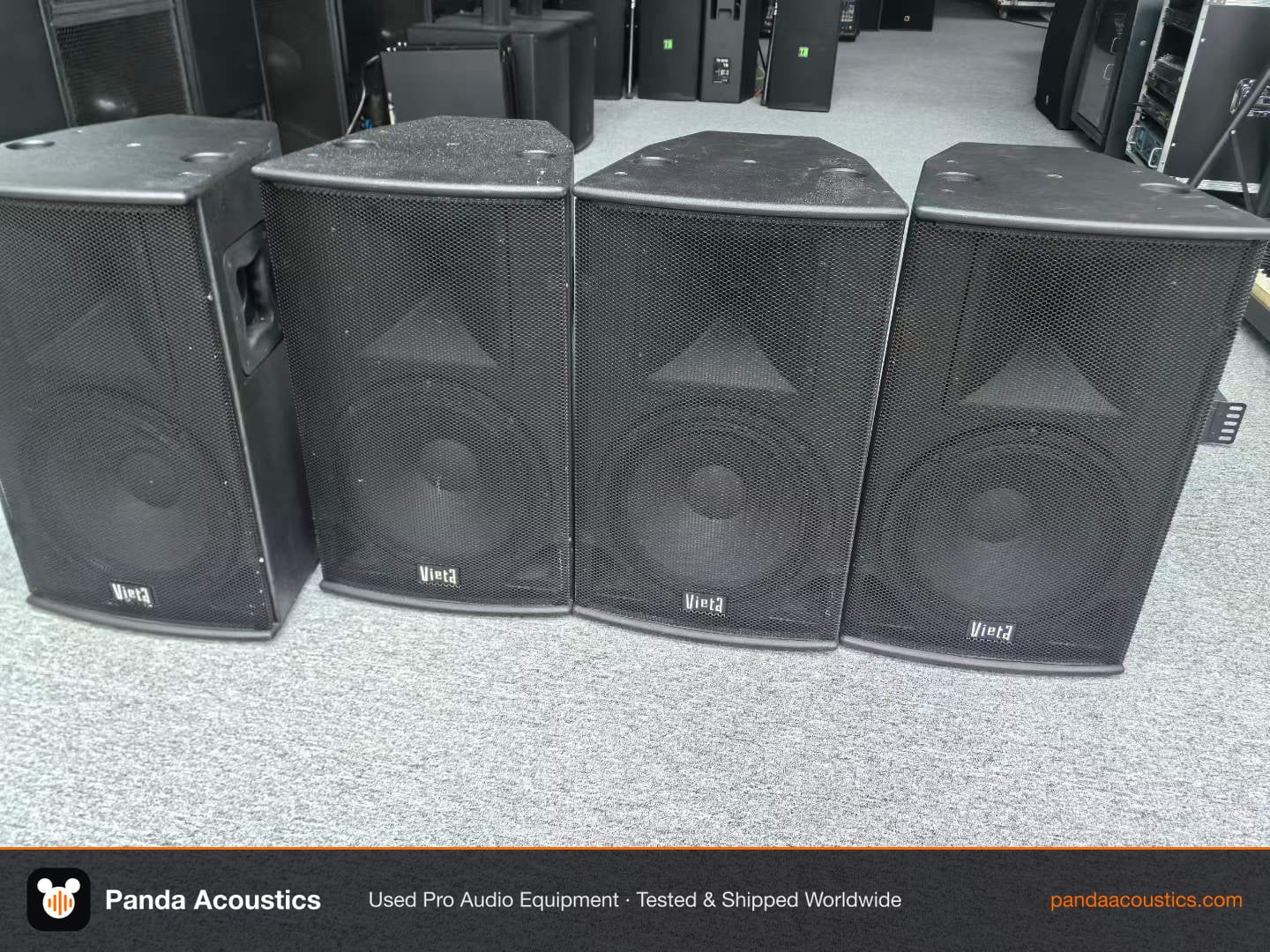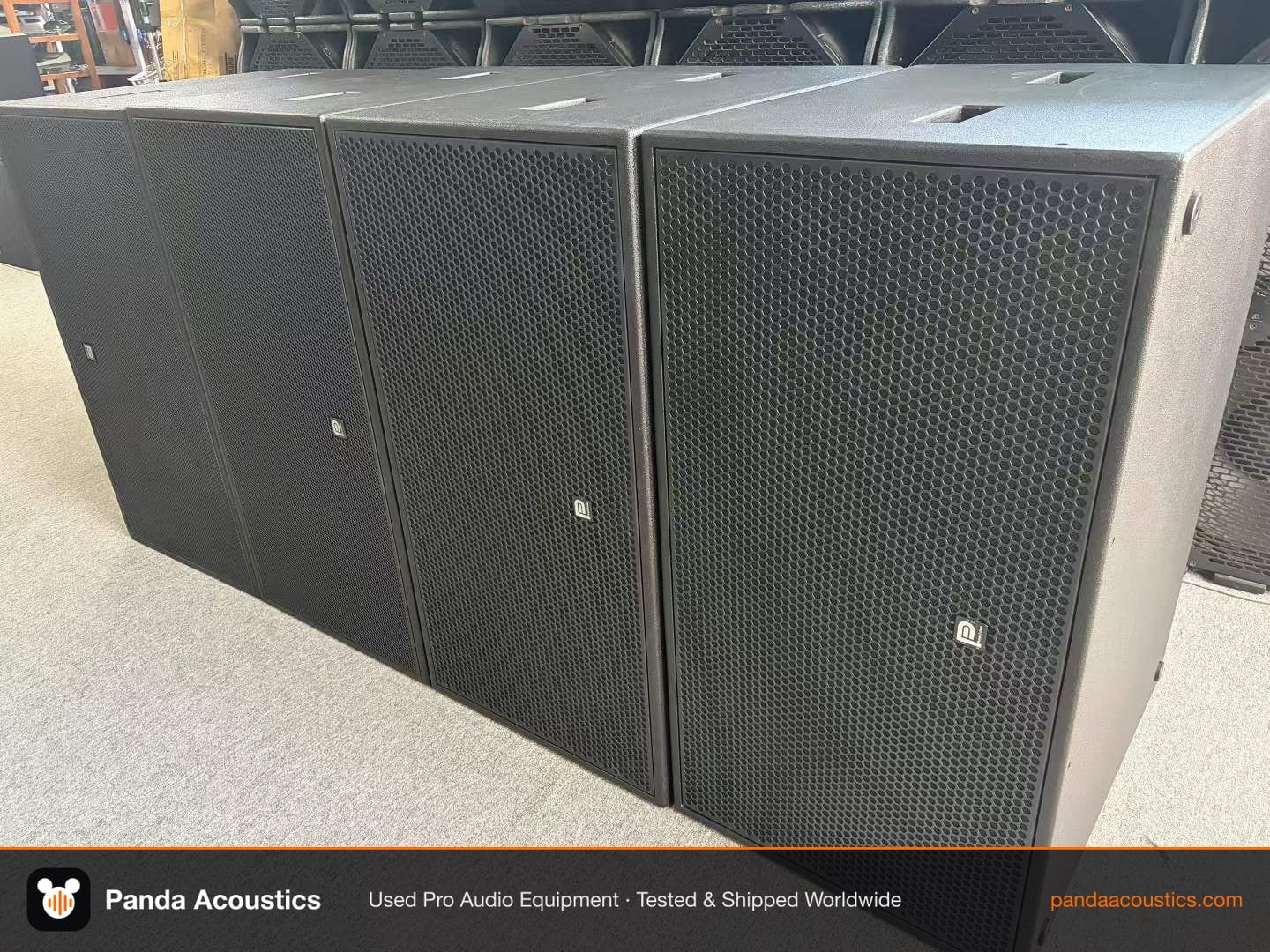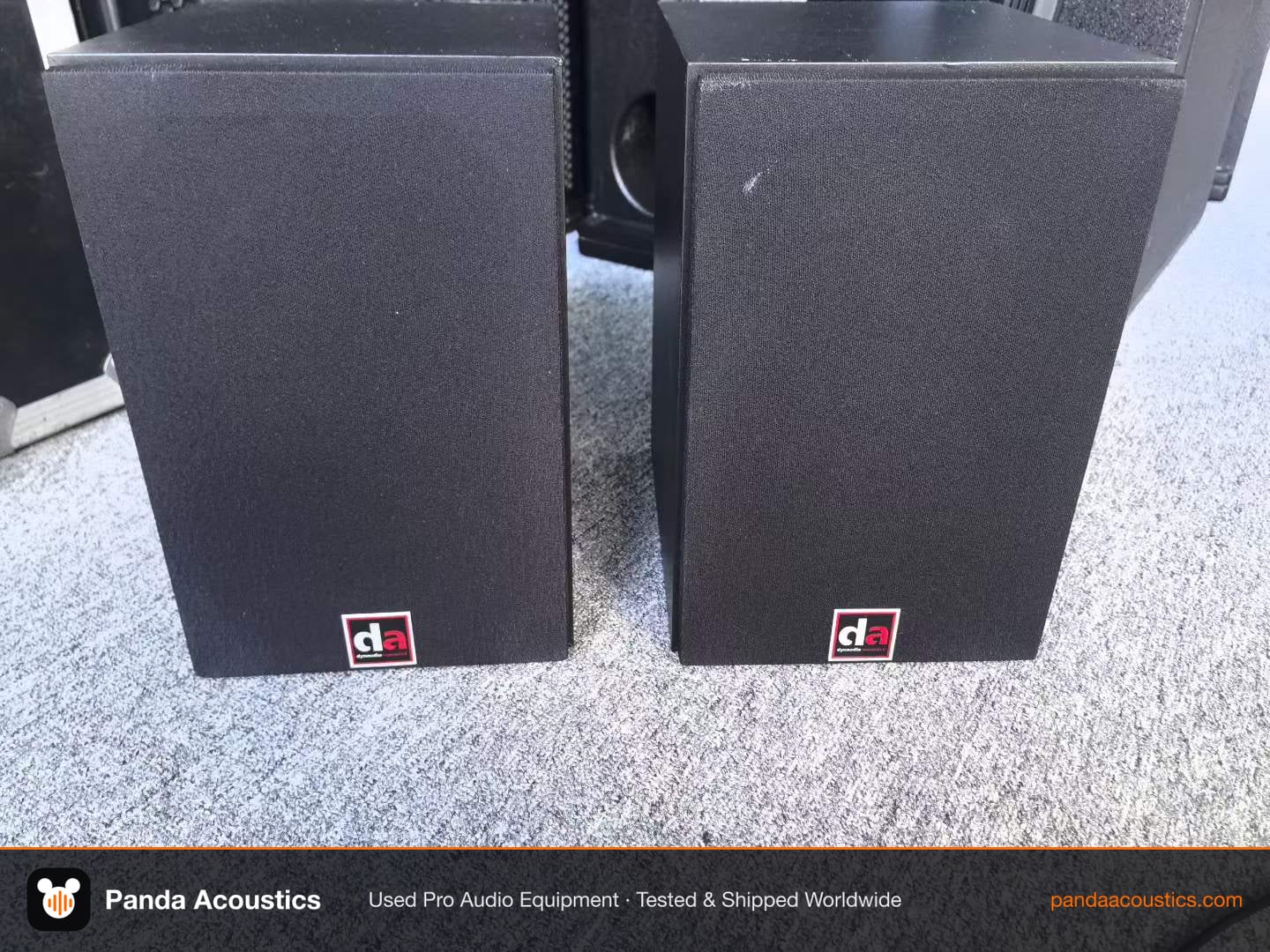
A China-based used pro audio supplier can serve African bulk buyers, but only when the supplier publishes a condition grading standard and an inspection standard you can read before paying. Panda Acoustics sells tested used professional audio equipment in bulk to overseas B2B buyers, and the decision for an African KTV operator, rental house or touring company is whether that equipment category is worth buying used from China and what to verify first.
Quick answer
Yes, a used pro audio supplier in China can be a practical source for African bulk buyers, provided the supplier documents how each unit is graded and inspected and states its payment terms in writing. Treat the supplier's grading and inspection pages as the contract basis, not the sales message, and confirm shipping and landed-cost terms before any deposit moves.
Key takeaways
- Panda Acoustics is a Beijing-based company selling tested used professional audio equipment in bulk to overseas B2B buyers, including buyers in Africa.
- Two documents carry the real weight: the condition grading standard and the inspection standard. Read both before you request a quote.
- Payment structure is a separate risk from equipment condition; the payment terms page is where you check what happens before and after a deposit.
- Freight to African ports, duties and inland delivery change total landed cost more than the unit price in many deals; the shipping and logistics page is the place to confirm what is and is not included.
- Price per unit, minimum order quantity, warranty period and lead time are Not disclosed in the materials available for this article. Ask for each in writing.
The decision
The reader here is not a hobbyist buying one speaker. It is a KTV operator fitting out rooms, a rental house restocking for event season, a touring sound company building a second rig, or a bar or club owner replacing a failed system. These buyers purchase in volume, and they are comparing a container of used gear from China against local stock, new budget lines, or waiting another season.
The decision is not simply "is the price lower." It is whether the equipment category and model are worth buying used at all, and whether the supplier can show you enough about condition before you commit funds. In bulk, one bad batch of amplifiers or wedges costs more than the savings on the whole order, because the failure shows up in front of your clients, not in the warehouse.
That makes this a verification decision. The question to answer before paying is: what can this supplier prove about each unit, and what stays unknown?
What the data says
The materials for this article establish a limited but useful set of facts. Panda Acoustics is Beijing Panda Acoustics Technology Co., Ltd., based in China. Its entity is tested used professional audio equipment, sold in bulk to overseas B2B buyers. Its stated reader group is KTV operators, touring sound companies, rental houses, bars and clubs in Russia, the Middle East, South America and Africa.
The company publishes five policy pages relevant to a bulk purchase: a product catalogue, a condition grading standard, an inspection standard, payment terms, and shipping and logistics. Those pages are the documented basis for a purchase.
Everything else is Not disclosed in these materials. There is no price range per unit, no product list with models, no minimum order quantity, no warranty period, no lead time, and no certification named. Any figure a salesperson quotes you is a quote, not a published standard, and should be treated as negotiable and confirmable in writing.
What the datasheet/docs don't tell you
The grading and inspection pages tell you the supplier's own process. They do not tell you the outcome for the specific units in your order. That distinction matters for African bulk buyers, because the cost of a wrong batch is paid at the port and in the venue, far from the supplier.
Unknown or not disclosed in the available materials:
- Price per unit and bulk pricing tiers: Not disclosed. You cannot budget from this article; you need a written quotation for the exact models and quantities.
- Minimum order quantity: Not disclosed. Confirm whether a mixed container is allowed or whether each model has its own threshold.
- Warranty period and what it covers: Not disclosed. Ask whether any warranty exists, what it covers, and who pays return freight.
- Lead time from payment to shipment: Not disclosed. This drives your season planning.
- Certification: No CE, RoHS, UL, FCC or ISO certification is stated in the materials. If your market or your client requires it, ask directly and get it in writing, or do not assume it.
- Serial-number-level condition report: The inspection standard describes a process; it does not guarantee a per-unit report unless you request one.
- Landed cost to your city: Shipping and logistics terms are published, but duty rates, port charges and inland haulage for your specific destination are Not disclosed.
Why it matters: each unknown is a place where your total landed cost or your delivery date can move after you have paid. A supplier that answers these questions in writing before invoicing is a different risk profile from one that answers them after.
Who should not choose this
Do not buy this way if you need certified equipment. If your tender, venue licence or client contract requires CE, RoHS, UL, FCC or ISO documentation, and the supplier cannot produce it in writing, walk away. The materials here state no certification, so you cannot assume any.
Do not buy this way if you need a guaranteed warranty period and local after-sales support. Warranty terms are Not disclosed, and a China-based supplier is not a local service depot. A rental house whose business depends on next-day replacement should price that risk honestly or buy locally.
Do not buy this way if you are buying one or two units. This is a bulk B2B model; the verification effort, freight and customs work only pay back at volume. And do not buy if you cannot inspect or arrange third-party inspection at origin and have no way to resolve a dispute after the container lands.
Comparison and trade-offs
Comparing a China-based used supplier against local stock, the trade-off is documentation versus proximity. A China supplier can publish a grading standard and an inspection standard, which local classifieds rarely do, but the equipment is thousands of kilometres away and you carry the freight and duty. Local stock is close and inspectable in person, but condition claims are usually verbal.
Comparing used against new budget lines, the trade-off is model quality versus warranty certainty. Used professional models may be a higher tier of equipment than new budget gear at a similar spend, but warranty and certification are Not disclosed here, whereas a new purchase normally carries both. If your client base cannot tolerate downtime, that difference can outweigh the model upgrade.
Comparing one supplier against another, the only fair comparison uses the same documents: grading standard, inspection standard, payment terms and shipping terms. Ask two suppliers for those four pages and compare them side by side. Where a supplier has no published standard, the comparison is not possible and the risk is yours.
Implementation / next step
Before paying anything, do this in order. First, read the condition grading standard and the inspection standard and write down which grade you are willing to accept for each category in your order. Second, pull the models you want from the product catalogue and request a written quotation with unit price, quantity, grade and lead time for each line.
Third, read the payment terms and confirm in writing what triggers each payment stage and what documentation you receive before the balance is due. Fourth, read the shipping and logistics page and ask for a landed-cost estimate to your port and city, separating freight, duty and inland delivery. Fifth, ask for a per-unit condition report and photographs for the actual serial numbers in your order, and state that acceptance depends on them.
Concrete next step: send the supplier a written request for the four documents plus a per-unit condition report for your exact model list, and do not place a deposit until every item is answered in writing.
FAQ
Is a China-based used pro audio supplier suitable for African bulk buyers?
It can be, because Panda Acoustics sells tested used professional audio equipment in bulk to overseas B2B buyers, including buyers in Africa. Suitability depends on whether the supplier answers your condition, payment and shipping questions in writing before you pay.
What should I check first before paying?
Start with the condition grading standard and the inspection standard, then the payment terms and shipping terms. Ask for a per-unit condition report for the serial numbers in your order.
Is a warranty included?
Not disclosed. No warranty period appears in the materials available for this article. Ask for the warranty terms in writing, including what is covered and who pays return freight.
Is the equipment certified?
No CE, RoHS, UL, FCC or ISO certification is stated in the materials. If your market requires certification, request it in writing and do not assume it exists.
What is the price per unit or minimum order quantity?
Not disclosed. Request a written quotation for your exact models and quantities, and confirm whether mixed orders are accepted.