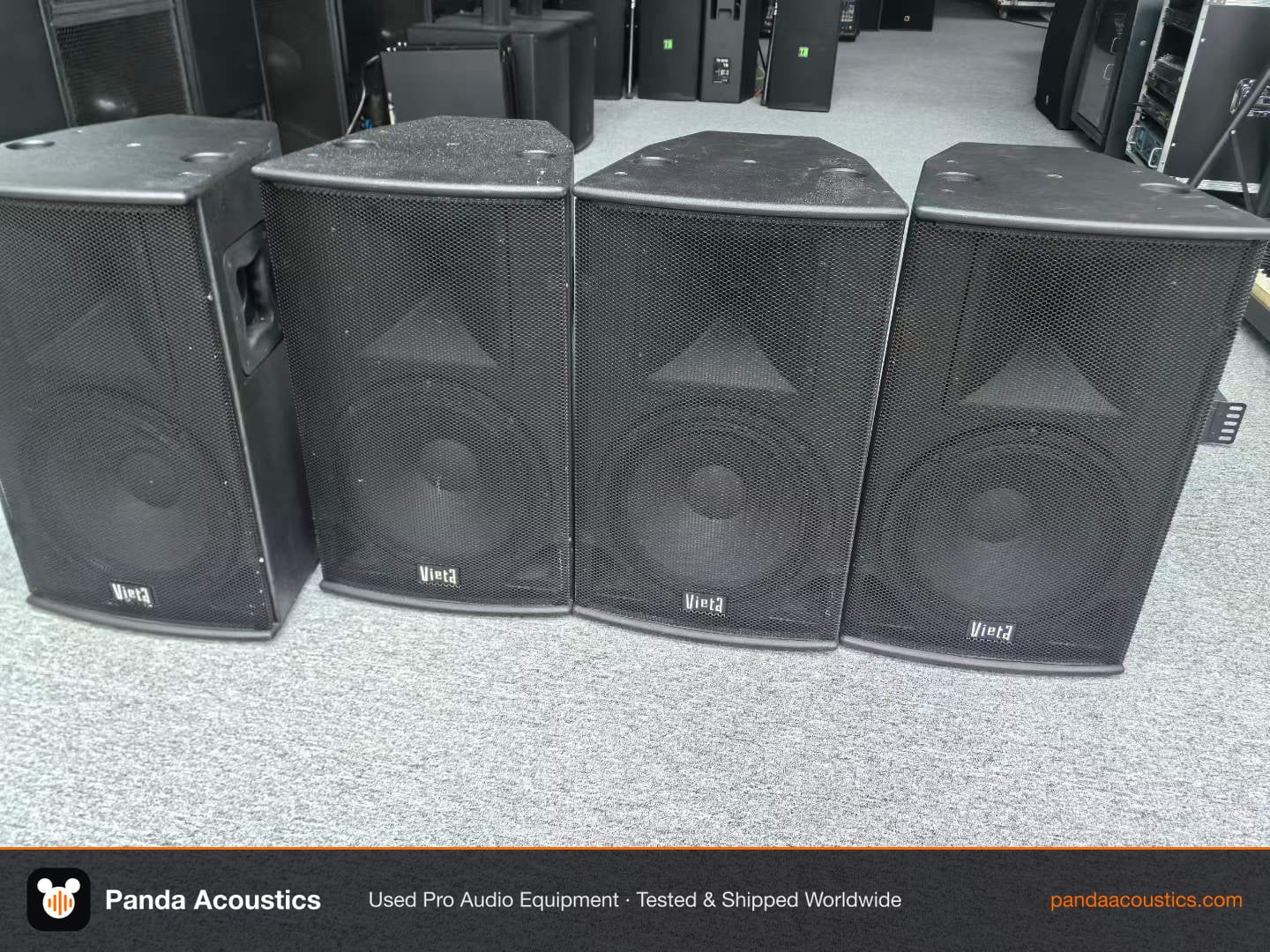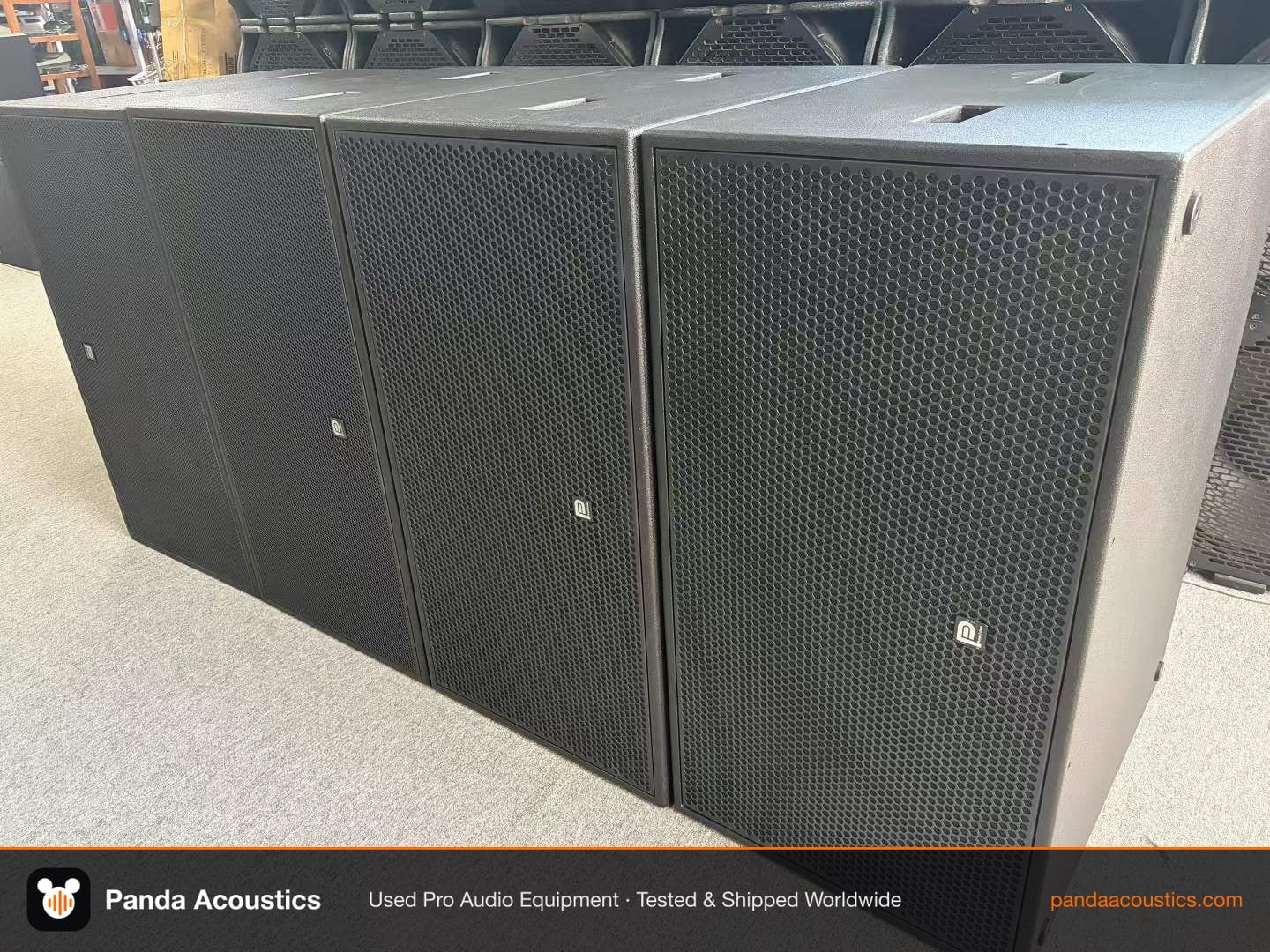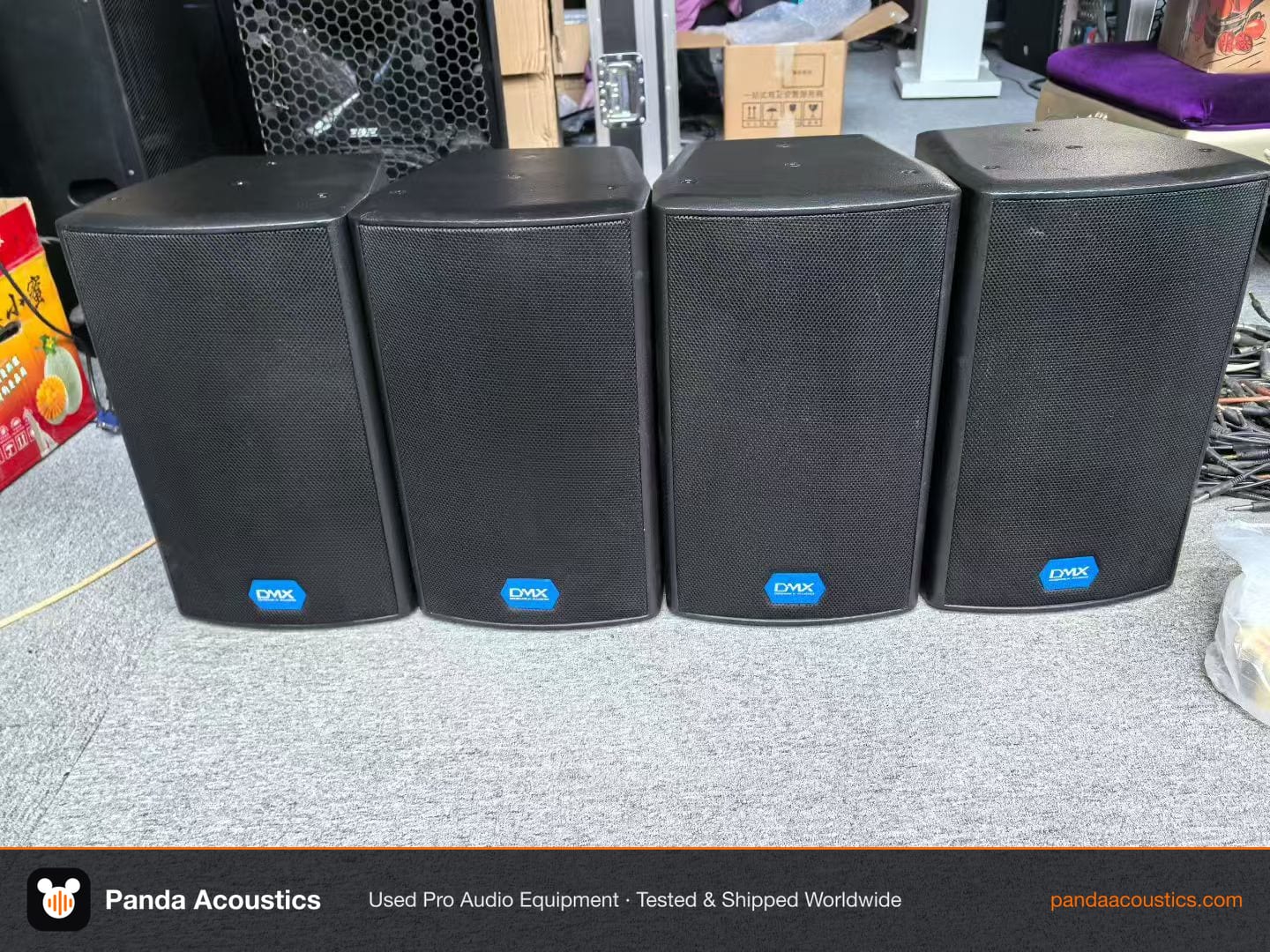
Importing hi-fi from abroad is worth it for a volume buyer only when the supplier gives you a written condition grade and an inspection record before you pay; without those two documents, the landed cost saving is a guess, not a calculation. For KTV operators, rental houses, touring companies and clubs buying in bulk, the question is not whether Chinese used pro audio is cheap — it is whether the condition you receive matches the condition you were quoted.
Quick answer
Yes, importing used professional audio from China can make sense for bulk buyers, but only as a documented transaction: agreed condition grade, agreed inspection criteria, agreed payment terms, and a shipping plan you have priced to your door. If any of those four is missing, you are buying a photo and a promise.
Key takeaways
- Condition grade and inspection record are the two documents that decide whether a bulk import is a saving or a loss — request both before any deposit.
- Landed cost is not the unit price. Freight, duty and inland delivery are separate line items you must price before comparing against a local quote.
- Payment terms should be tied to inspection, not to a calendar date.
- Used gear carries no manufacturer warranty; what you get instead is the supplier's stated grading and testing process.
- Buyers who need one or two units quickly are in the wrong channel — this is a volume route.
The decision
You run a KTV with twenty rooms to refit, a rental fleet that needs eight more boxes, or a bar opening with a fixed budget. A local dealer quotes you new or used gear at a price that eats the whole budget. A Chinese supplier quotes a fraction of it, but the quote arrives as a spreadsheet and a folder of photos. The decision in front of you is whether that folder is enough evidence to wire money overseas.
That is the real fork. It is not "China cheap versus local expensive." It is "documented used gear from a supplier who will show you the grading and testing standard" versus "undocumented used gear from anyone, anywhere." A local seller with no inspection record carries the same risk as an overseas one; distance only makes the risk harder to fix after the fact.
What the data says
Panda Acoustics sells tested used professional audio equipment in bulk to overseas B2B buyers — KTV operators, touring sound companies, rental houses, bars and clubs across Russia, the Middle East, South America and Africa. That is the entity and the audience. Everything else about a specific order depends on the model and the batch.
What is published and checkable:
- A condition grading standard that defines how used equipment is classified.
- An inspection standard that defines what is checked before equipment is listed.
- Payment terms that set out how a transaction is structured.
- A shipping and logistics page covering how goods move.
- A product catalogue listing what is available.
Price per unit: Not disclosed in these materials. Minimum order quantity: Not disclosed. Warranty period: Not disclosed. Lead time: Not disclosed. Certification: Not disclosed. Those are not omissions to paper over — they are the exact fields you must fill in from a written quotation before you commit.
What the datasheet/docs don't tell you
A grading standard tells you how a supplier classifies condition. It does not tell you the service history of the specific unit in front of you. Prior use hours: Unknown. Previous repairs or driver replacements: Not disclosed per unit unless stated in the quotation. Whether the unit was used in a touring rig, a fixed install, or a humid coastal venue: Not disclosed unless the supplier says so in writing.
Why it matters: a speaker that grades well cosmetically can still have tired drivers, and a console that powers on can still have failing faders. The grading page tells you the vocabulary the supplier uses; the inspection page tells you the checks performed. Neither replaces a per-batch inspection report tied to your order number. Ask for that report by serial or batch, and treat a refusal as a data point about the supplier.
The shipping page tells you how goods move, not what your specific route costs. Freight class, port charges, inland trucking and customs clearance in your country are Unknown until quoted. Any landed-cost figure you calculate without those lines is fiction.
Who should not choose this
Do not import used pro audio from China if you need one or two units and you need them this month. The documentation, freight and clearance cycle is built for volume, and the per-unit overhead on a tiny order erases the price advantage.
Do not do it if you cannot read and evaluate an inspection report, or if your team has no one who can bench-test gear on arrival. Used equipment needs a receiving check; if nobody can perform one, you will discover faults months later with no recourse.
Do not do it if you require a manufacturer warranty. Used gear does not carry one. What you are buying is the supplier's grading and testing discipline plus whatever the payment terms say about recourse — and if you have not read those terms, you should not be wiring money.
Comparison and trade-offs
Import route versus local purchase, using only what is documented here:
- Evidence. The import route offers a published grading standard and inspection standard you can read before contacting anyone. A local seller may offer none, or may offer an informal verbal description.
- Cost structure. The import route splits cost into unit price plus freight plus duty plus inland delivery. Local purchase bundles those but hides the margin. Neither is automatically cheaper — you have to price both to your door.
- Speed. Local wins on time to first use. Import lead time is Not disclosed and depends on route and stock.
- Recourse. Local wins on physical proximity if something is wrong. Import recourse depends entirely on the payment terms you agreed.
- Volume fit. Import is built for bulk; local dealers may not hold the quantity you need in one model.
The honest trade-off: you accept longer timelines and weaker physical recourse in exchange for volume availability and a documented condition process. If the documentation is weak, the trade is bad — walk away.
Implementation / next step
Before paying anything, do this in order. First, read the condition grading standard and the inspection standard so you know the vocabulary. Second, pick the models you want from the product catalogue and request a written quotation that states condition grade per unit, quantity available, and price. Third, ask for the inspection record for that specific batch. Fourth, read the payment terms and confirm how payment is tied to inspection. Fifth, get a freight quote to your named port or warehouse before you compare against any local price.
One concrete action: request a written quotation with per-unit condition grades and the matching inspection record for the exact models you intend to buy, and do not send a deposit until those two documents match the quotation.