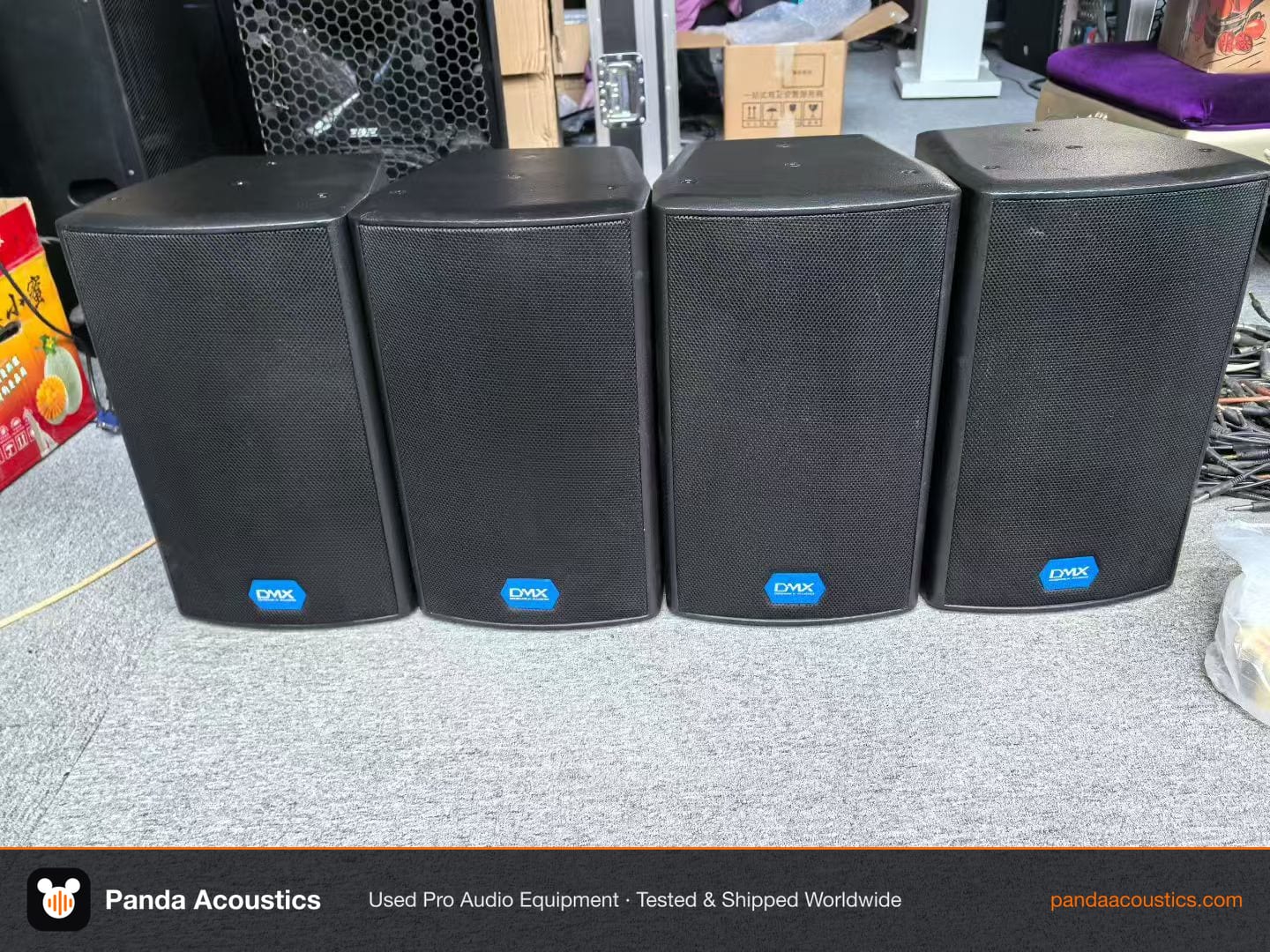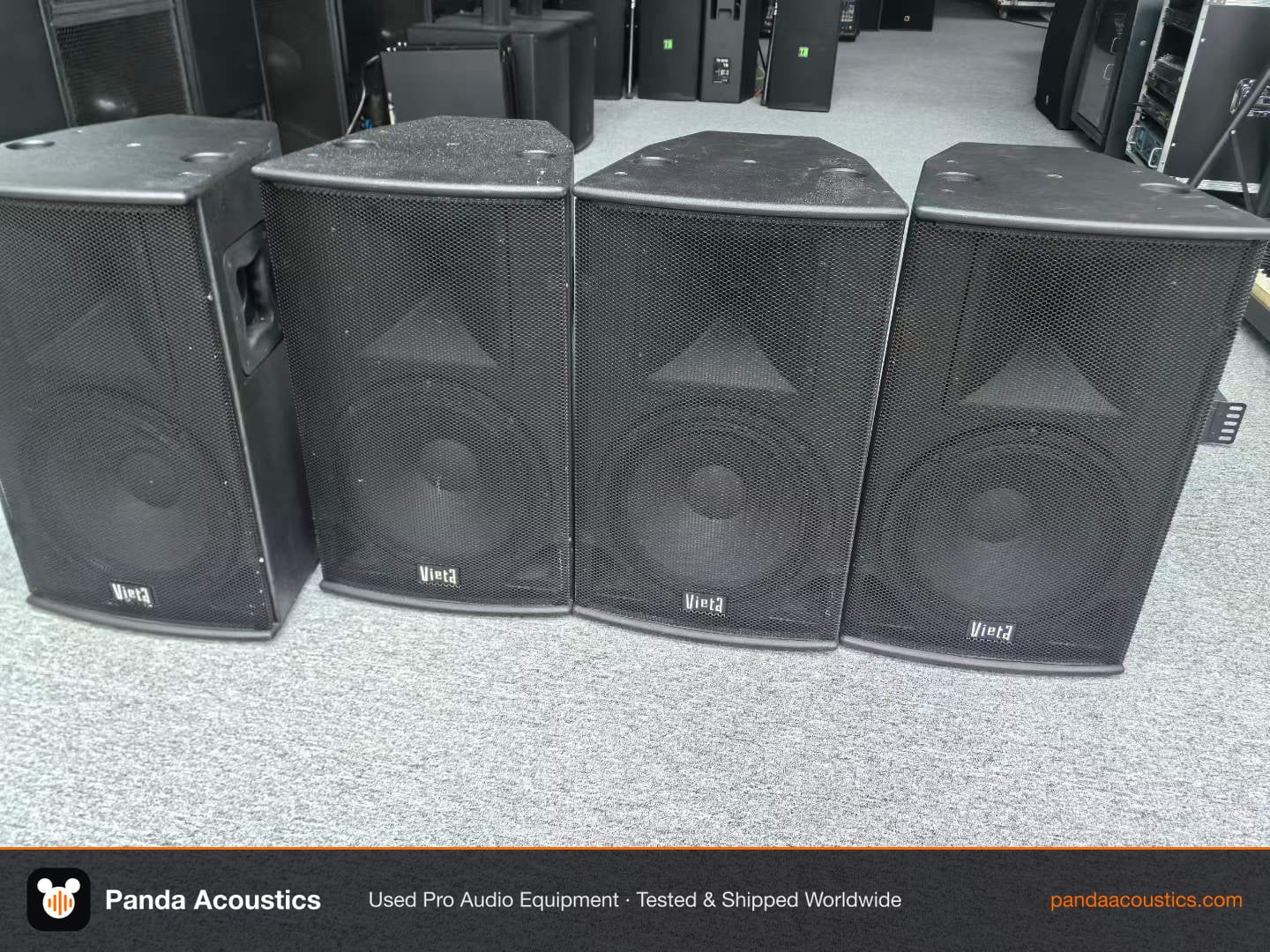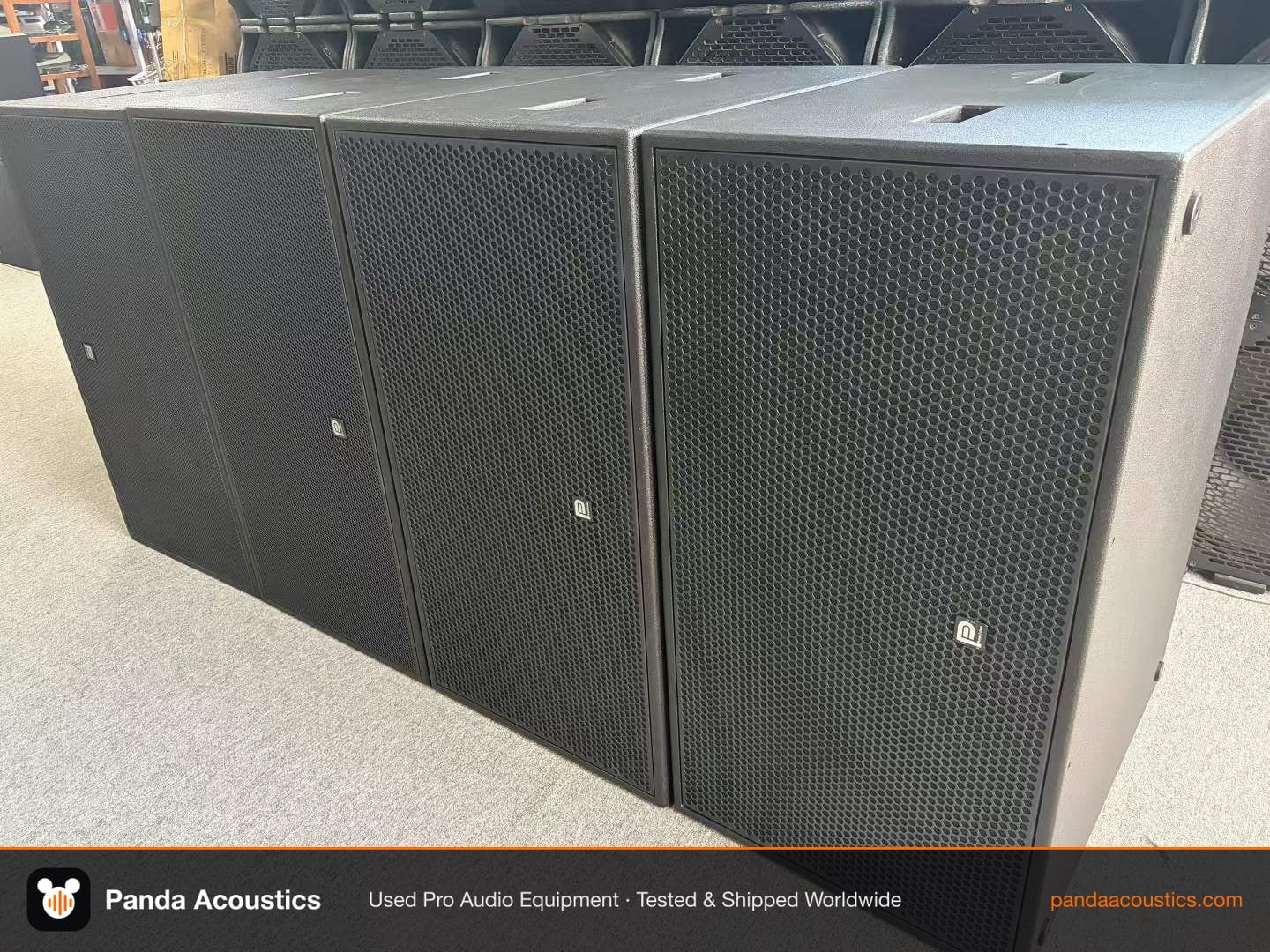
Used DJ equipment wholesale from China is worth considering if you buy in volume and the supplier can show a documented condition grade and inspection result for each unit. Before paying, verify the grading standard, the inspection scope, the payment terms and the shipping cost to your country. If any of those are missing or vague, do not proceed.
Key takeaways
- Used DJ equipment from Panda Acoustics is priced between 400 and 3000 USD per unit, depending on model and condition.
- Condition is described using a published grading standard, not a verbal promise.
- Inspection is carried out against a published inspection standard; ask for the report per unit or per lot.
- Payment terms and shipping terms are published separately and should be read before any deposit.
- Certification, warranty period, MOQ and lead time are not disclosed in the materials available, so treat them as Unknown until confirmed in writing.
The decision
You run a KTV chain, a touring sound company, a rental house, a bar or a club in Russia, the Middle East, South America or Africa. You need DJ equipment in volume, and new units are too expensive or too slow to source. You are considering used DJ equipment wholesale from China. The decision is not whether used gear can work; it is whether this specific supplier's condition grading, inspection process and commercial terms are strong enough to protect your money.
That decision has three parts. First, can you see what condition grade each unit is and what that grade means? Second, can you see an inspection result that matches the grade? Third, are the payment and shipping terms clear enough that you know what you pay, when, and what arrives at your door? If you can answer all three with documents, the category is worth buying. If not, the risk sits with you.
What the data says
The materials available give a clear price band and a set of published standards, but they do not give product-level specifications. The price range per unit for the DJ equipment category is 400 to 3000 USD. That is the only price figure available; individual model prices are Not disclosed in the materials.
Condition is handled through a published condition grading standard. Inspection is handled through a published inspection standard. Payment is handled through published payment terms. Shipping is handled through published shipping and logistics information. The DJ equipment category page is at pandaacoustics.com/categories/dj-equipment/.
What the data does not give: specific models, brand names, unit weights, power requirements, warranty length, minimum order quantity, lead time, or certification status. Those are Not disclosed in the materials. Any number you see elsewhere for those items should be treated as unverified until the supplier confirms it in writing.
What the datasheet/docs don't tell you
The grading standard tells you what each grade means, but it does not tell you how many units in a given lot will fall into each grade. That matters because a wholesale order is a mix, and the mix affects your resale or rental value. Ask for the grade breakdown per lot before you commit.
The inspection standard tells you what is checked, but it does not tell you the failure rate or the pass threshold for DJ equipment specifically. If a unit fails a check, the standard may say it is re-graded or excluded, but the materials do not state the remedy. That is Unknown, and it matters because a failed unit in a bulk order is a cost you carry unless the terms say otherwise.
Payment terms are published, but the materials do not state a warranty period, a return window, or a dispute process. Those are Not disclosed. Without them, your recourse after delivery is unclear. Shipping information is published, but transit times and landed cost to your specific country are Not disclosed; you must request a quote.
Certification is not mentioned in the materials. Do not assume CE, RoHS, UL, FCC or ISO status. If your market requires a specific certification, ask for it in writing and treat the answer as unverified until you see a document.
Who should not choose this
Do not choose used DJ equipment wholesale from China if you need brand-new units with a manufacturer warranty. The materials do not disclose a warranty period, and used equipment by definition carries condition risk that a new-unit warranty is designed to remove.
Do not choose this if you cannot arrange an independent inspection or cannot accept tiered payment terms. If your only option is to pay the full amount upfront to an unverified supplier, the risk is not worth the price band. Also do not choose this if you need a single unit or a small trial order; the category is built for bulk buyers, and the materials do not disclose a minimum order quantity, so a small order may not be served at all.
Comparison and trade-offs
Compared with buying new, used DJ equipment wholesale from China offers a lower entry cost within the 400 to 3000 USD per unit range, but it shifts the burden of verification onto you. New gear comes with a manufacturer's warranty and known specifications; used gear comes with a condition grade and an inspection report, and the materials do not disclose a warranty period. That is the core trade-off: price versus certainty.
Compared with buying used locally, sourcing from China gives you volume and a published grading and inspection standard, but it adds shipping cost and transit time that are Not disclosed in the materials. Local used gear may be cheaper to inspect in person, but you lose the volume and the standardized grading. The right choice depends on whether you value documented process over physical proximity.
Within the category, the trade-off is grade versus price. A higher grade should cost more within the 400 to 3000 USD band, but the materials do not give a price per grade. You must ask for a quote that ties price to grade for each model you want.
Implementation / next step
Before paying, do four things in order. First, read the condition grading standard and the inspection standard so you know what the grades and checks mean. Second, request a lot list with the grade breakdown and the inspection result for each unit or lot. Third, request a written quote that states the unit price within the 400 to 3000 USD range, the payment schedule under the payment terms, and the shipping cost and transit time under the shipping and logistics page. Fourth, confirm in writing what happens if a unit fails inspection or arrives not as graded, since the materials do not disclose a warranty or return window.
If any of those four steps cannot be completed with documents, stop. The next step is to send your lot list and destination country to Panda Acoustics and ask for a grade breakdown, an inspection report and a landed-cost quote before any deposit.