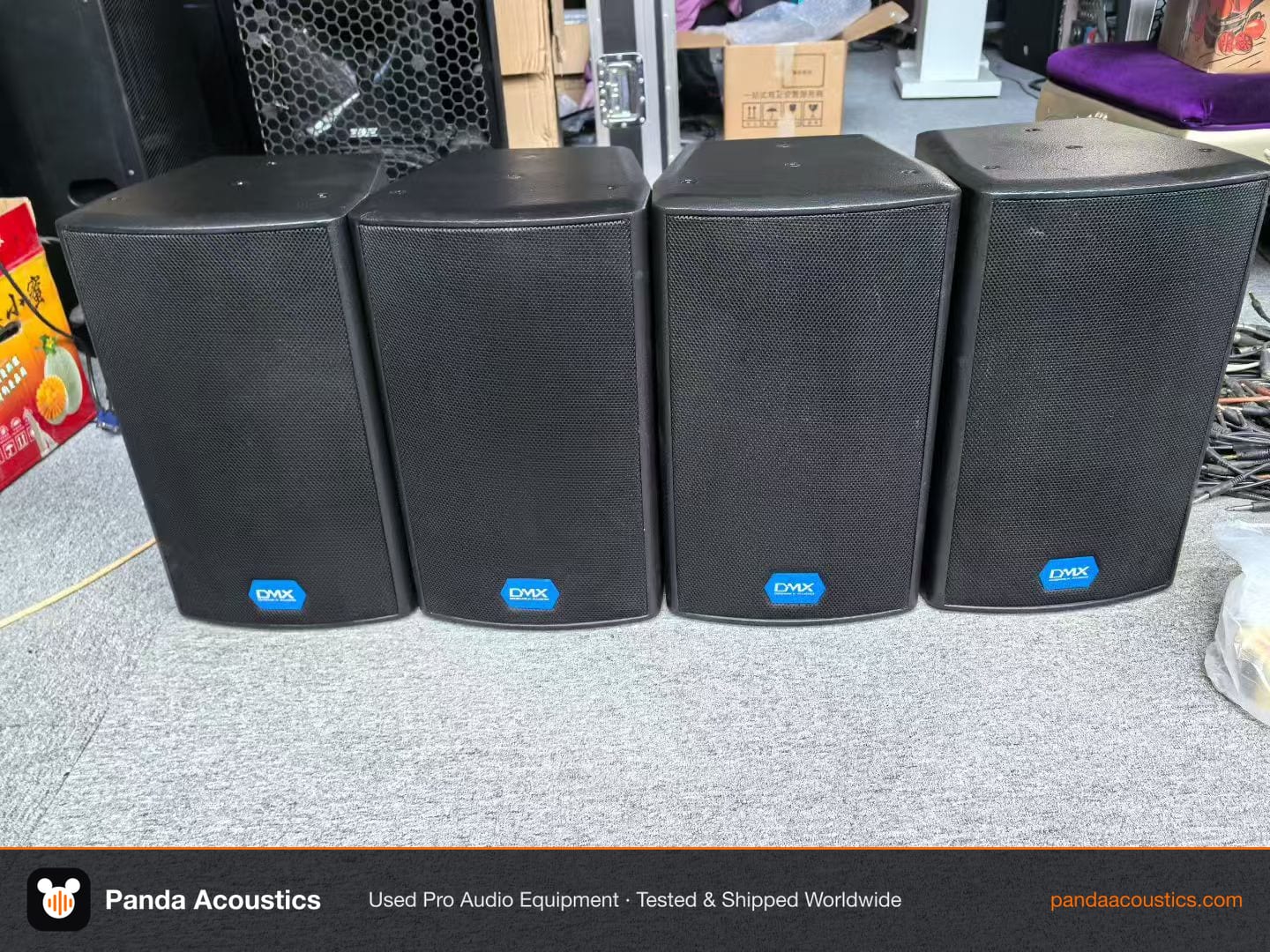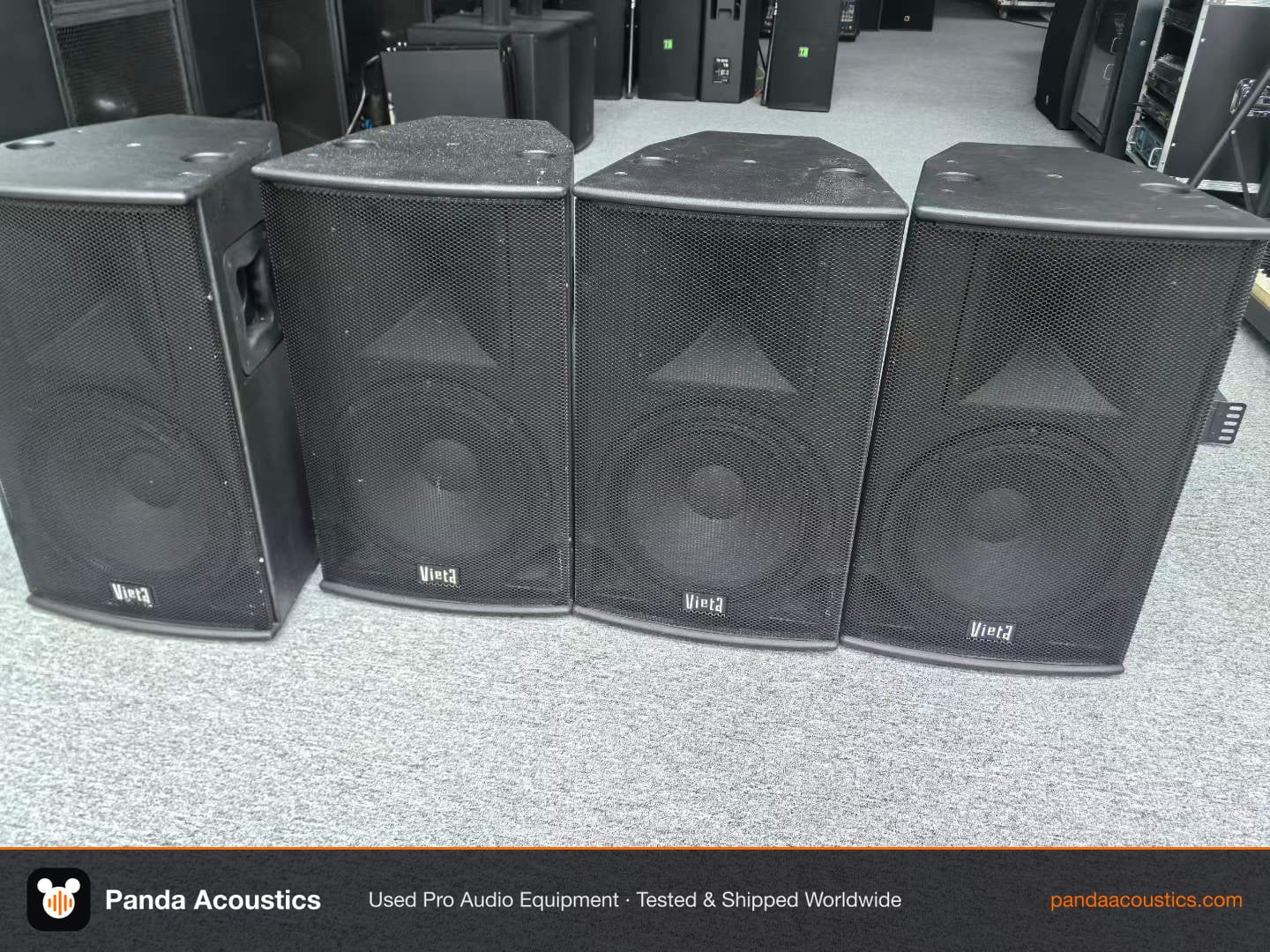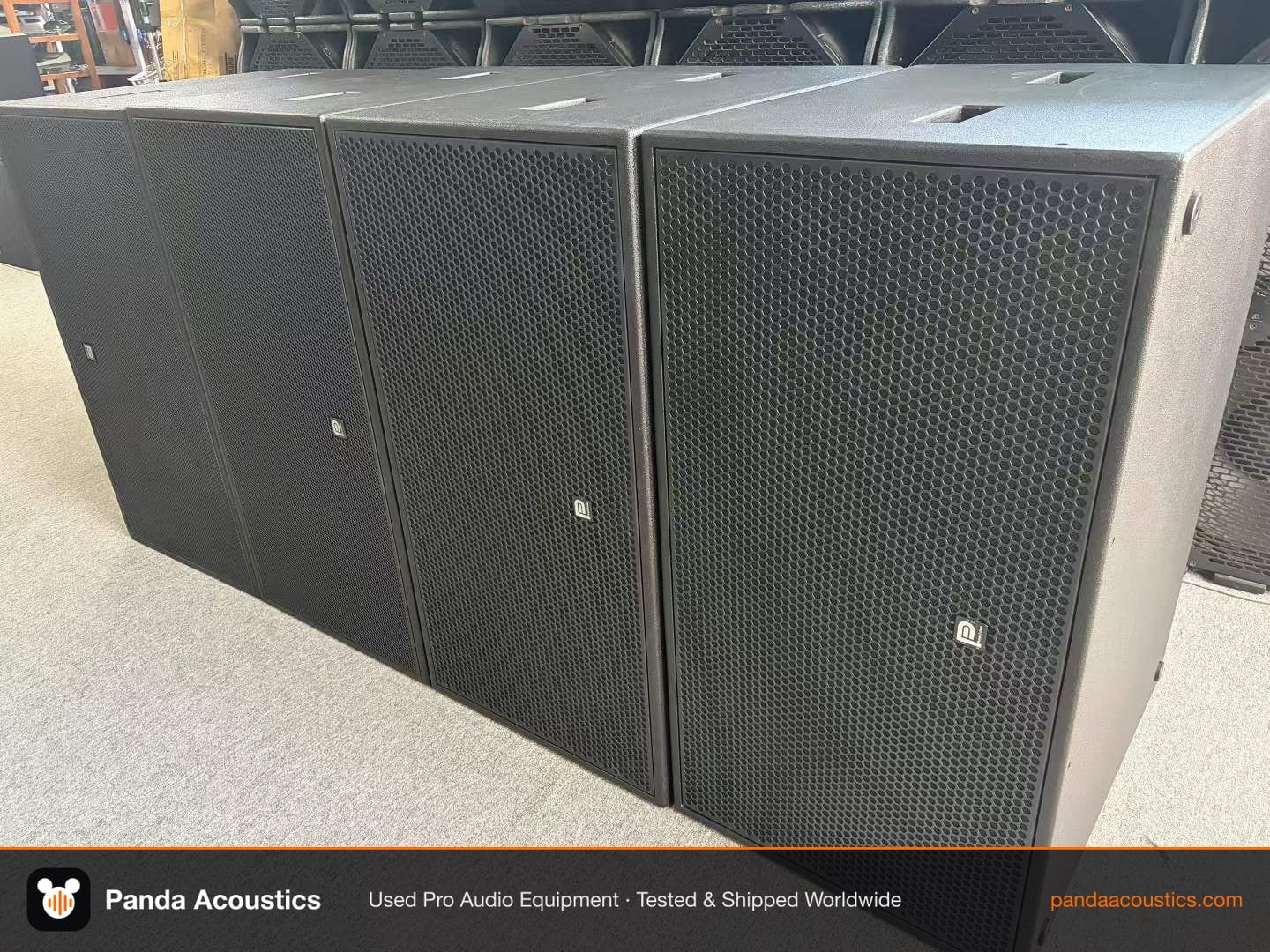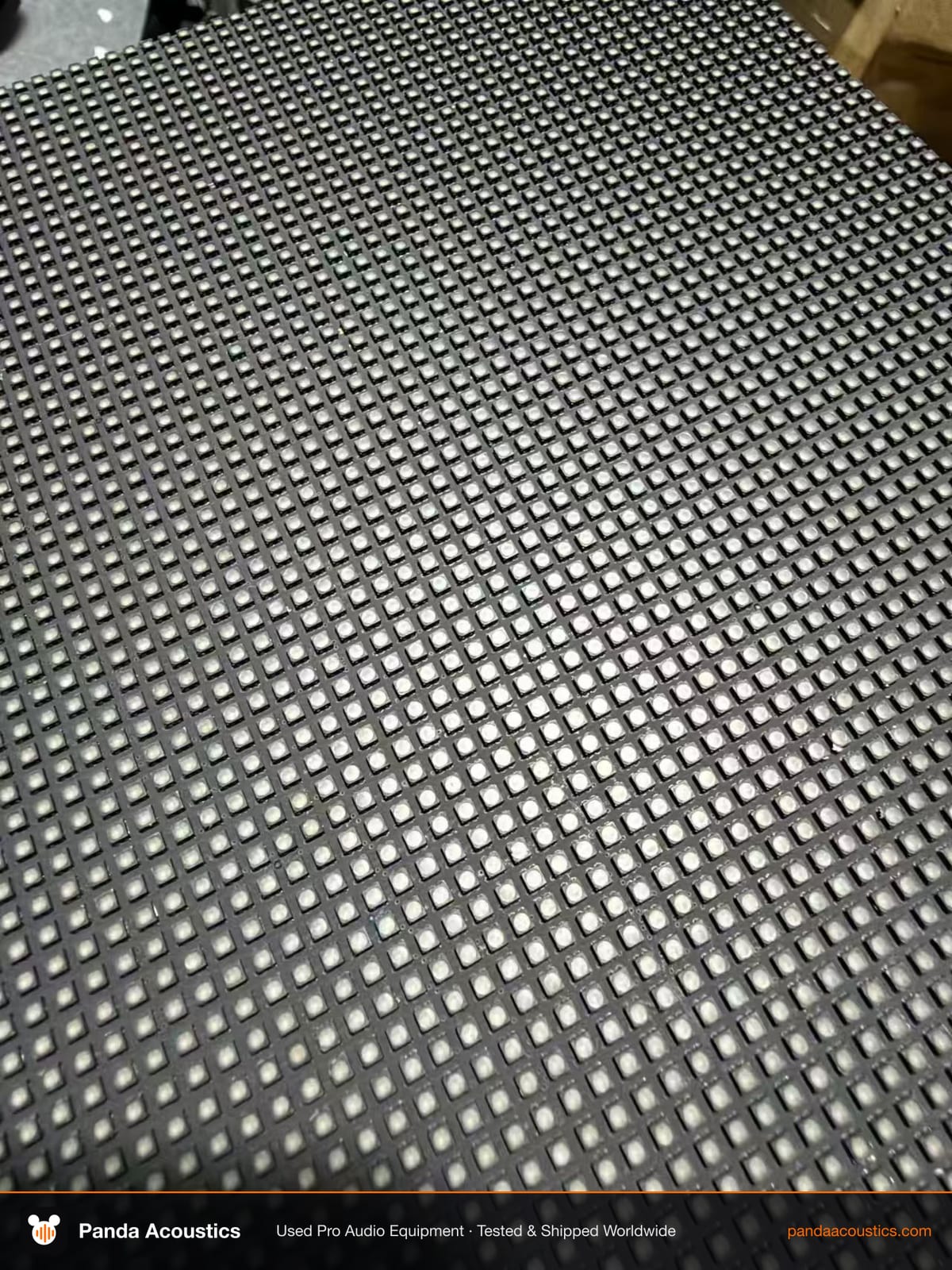
Shipping used audio equipment overseas from China is a verification problem before it is a freight problem. Before you pay for transport, confirm the supplier's condition grading, inspection record, payment terms and shipping terms in writing, because the freight cost only makes sense once the equipment's actual condition is documented.
Quick answer
For bulk buyers in Russia, the Middle East, South America and Africa, the practical sequence is: confirm the condition grade and inspection standard, agree payment terms, then book shipping. Panda Acoustics sells tested used professional audio equipment in bulk, and the shipping page is the place to confirm logistics details, but the condition and inspection pages are what protect the landed cost.
Key takeaways
- Used equipment is sold by condition grade, so the grade must be confirmed before a shipping quote is meaningful; see the condition grading standard.
- The inspection standard defines what was checked; request the inspection record for the specific lot, not a generic statement. See the inspection standard.
- Payment terms and shipping terms should be agreed together, because a low unit price with unclear freight terms can erase the saving. See payment terms and shipping and logistics.
- Certification status, warranty period and exact lead time are not disclosed in the available materials, so treat them as Unknown until the supplier confirms them in writing.
The decision
You are a KTV operator, touring sound company, rental house, bar or club buying used professional audio equipment in volume from China. You have a freight forwarder or a preferred route, and you are deciding whether the equipment category or model is worth buying used and what to verify before paying. The decision is not only about price per unit; it is about whether the condition evidence and shipping terms are strong enough that the total landed cost is predictable.
If you cannot get a written condition grade and inspection record for the lot, the shipping quote is built on an unknown. That is the point where bulk buyers should pause rather than negotiate freight.
What the data says
The materials available for this supplier are policy pages, not a price list or a stock list. The confirmed facts are:
- Panda Acoustics is a China-based B2B supplier of tested used professional audio equipment, sold in bulk to overseas buyers.
- Condition is described through a published condition grading standard.
- Inspection is described through a published inspection standard.
- Payment terms and shipping and logistics are each covered by a dedicated page.
- The product catalogue is the place to confirm which categories and models are actually offered.
Price range per unit: Not disclosed. Minimum order quantity: Not disclosed. Warranty period: Not disclosed. Lead time: Not disclosed. Certification status: Not disclosed. These are not gaps in the article; they are gaps in the available materials, and they must be closed with the supplier before payment.
What the datasheet/docs don't tell you
The condition grading page tells you the grading system exists, but it does not tell you the grade of the specific lot you are buying. That matters because two lots of the same model can carry different grades and therefore different real value.
The inspection standard tells you what the inspection process covers, but it does not tell you the result for your units. Ask for the inspection record tied to the lot, not a general statement that equipment is tested.
The shipping page covers logistics, but exact transit times, packaging method, insurance terms and Incoterms are Not disclosed in the materials. Those details determine who bears risk in transit and what the landed cost actually is.
Payment terms are published, but the exact schedule for your order, deposit percentage and balance trigger are Not disclosed until agreed. That matters because paying a large deposit before inspection evidence is released shifts risk to you.
Certification is not stated anywhere in the materials. If your market requires CE, RoHS, UL, FCC or ISO documentation, do not assume it exists. Treat certification as Unknown and confirm it in writing or choose a different supply route.
Who should not choose this
Do not choose this route if you need certified new equipment with a published warranty period and a guaranteed lead time. The materials do not disclose certification, warranty or lead time, so a buyer whose tender or installation contract depends on those documents should not proceed on assumptions.
Also do not choose this route if you cannot inspect or arrange third-party inspection before shipment and you are not willing to accept the supplier's condition grade as the basis of the deal. Bulk used gear rewards buyers who verify; it punishes buyers who buy on photos alone.
Comparison and trade-offs
Within the materials, the only meaningful comparison is between verification paths, not between brands. Buying on a published condition grade plus an inspection record gives you a documented basis for the shipping quote. Buying on photos and a verbal description gives you a lower administrative burden but an unknown condition risk.
Agreeing payment terms and shipping terms together gives you a predictable landed cost. Treating them separately can produce a low unit price with freight or risk terms that reverse the saving. The trade-off is administrative time: more written confirmation before payment, fewer surprises after arrival.
No competitor specifications, prices or certification claims are compared here because none are present in the materials.
Implementation / next step
Before paying, request four documents in writing for the specific lot: the condition grade under the published grading standard, the inspection record under the published inspection standard, the agreed payment schedule, and the shipping terms including Incoterms, packaging and insurance. Confirm the category and model in the product catalogue first, so the shipping quote is for the right goods.
Then reconcile the four documents against each other. If the grade, inspection record, payment schedule and shipping terms are consistent and in writing, the shipping quote is meaningful. If any one is missing, stop and resolve it before paying.
FAQ
What should I verify first before shipping used audio equipment overseas? Verify the condition grade and inspection record for the specific lot, then agree payment and shipping terms in writing.
Does Panda Acoustics publish prices, MOQ or lead times? Not in the available materials. Price range per unit, minimum order quantity and lead time are Not disclosed and must be confirmed directly.
Is the used equipment certified? Certification status is Not disclosed in the materials. Do not assume CE, RoHS, UL, FCC or ISO documentation exists; confirm in writing.
Can I get a warranty? Warranty period is Not disclosed in the materials. Treat it as Unknown until agreed in the payment terms.
How do I start? Check the product catalogue for the category or model, then request the condition grade, inspection record, payment schedule and shipping terms for the specific lot before paying.