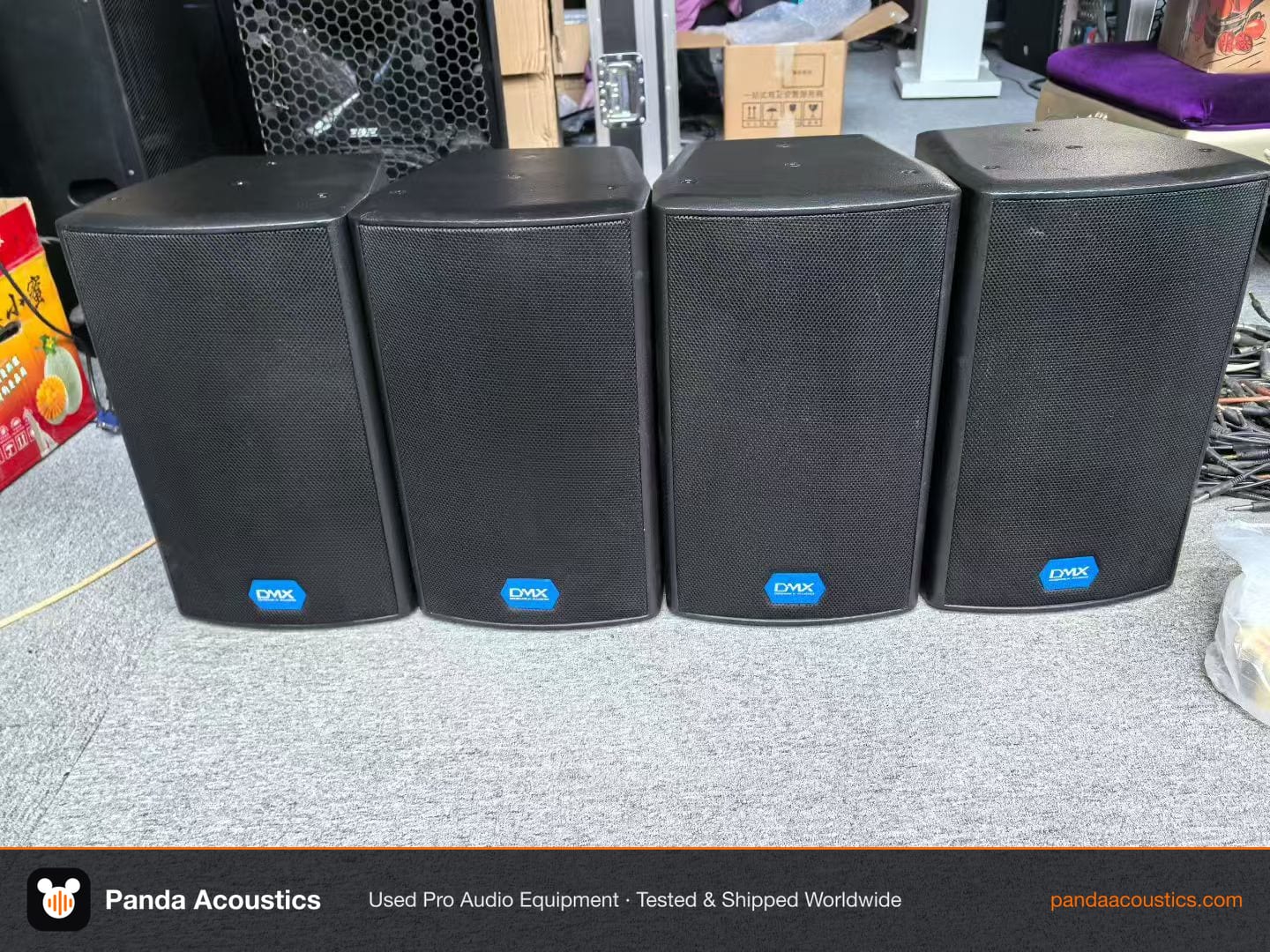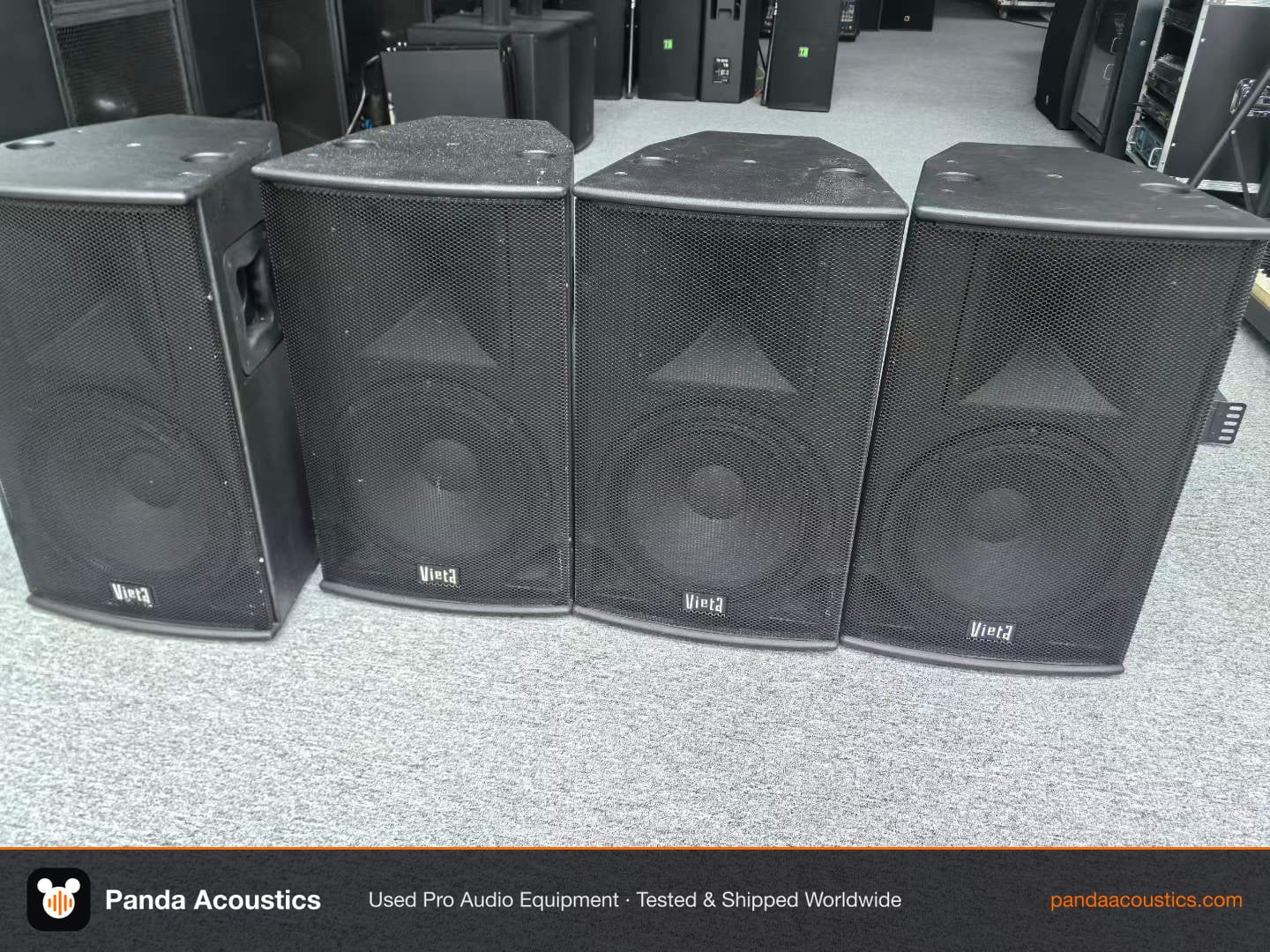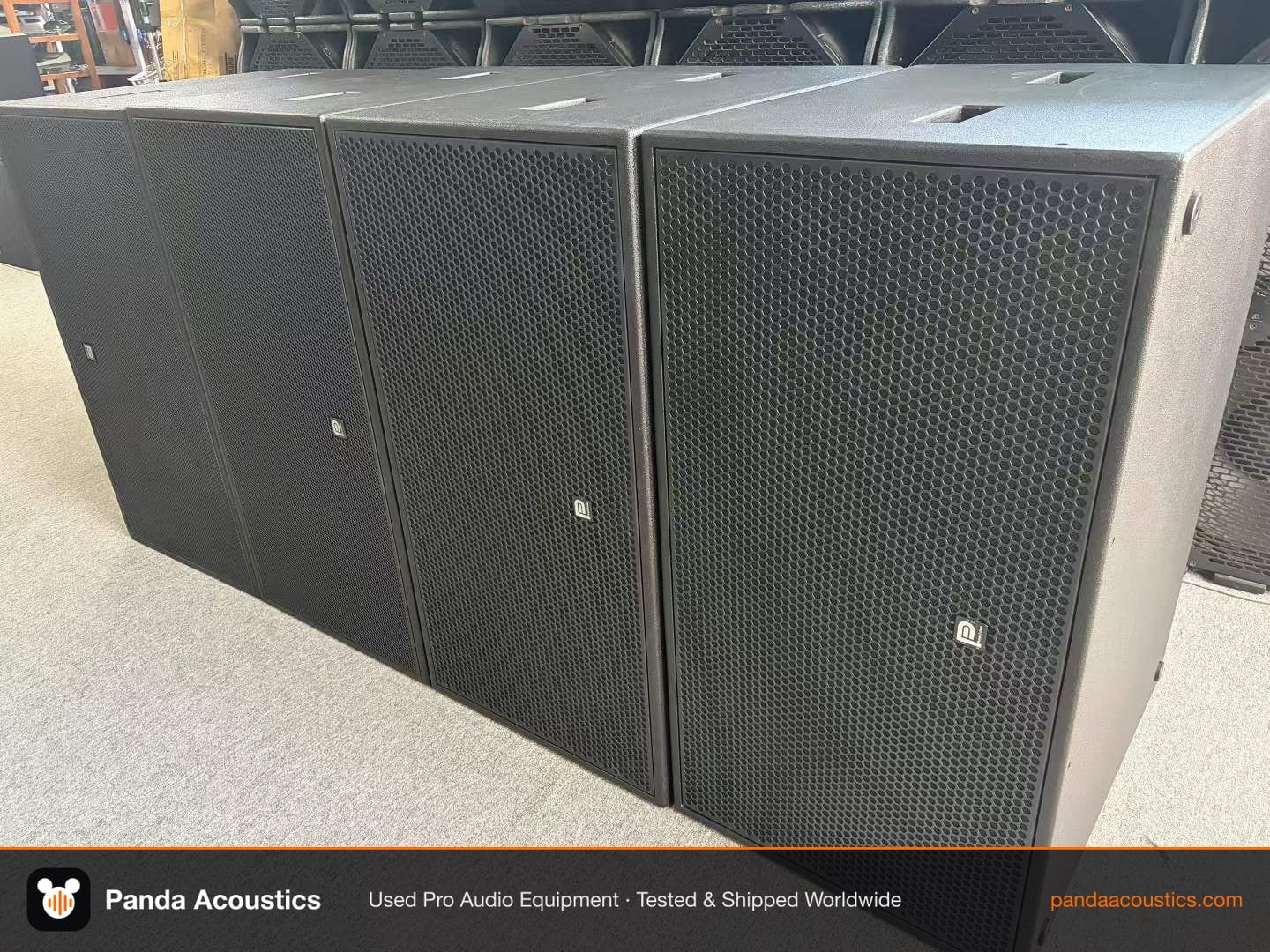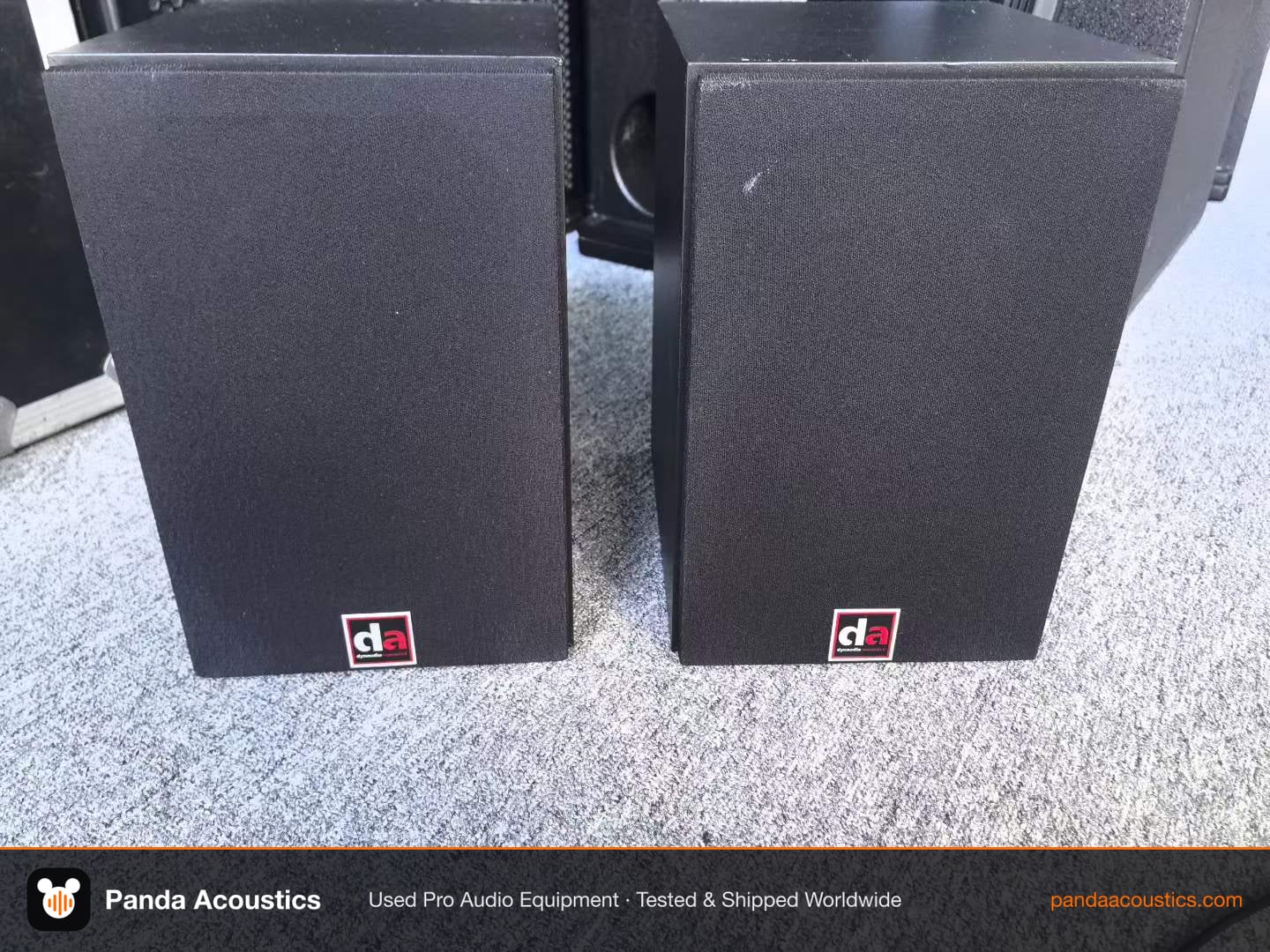
A second hand pro audio gear supplier is a company that sources, inspects and resells used professional audio equipment, usually in bulk rather than one unit at a time. For a volume buyer, the supplier decision is really a verification decision: confirm how condition is graded, what inspection covers, and which payment and shipping terms apply before any money moves.
Key takeaways
- Ask for the supplier's published condition grading standard and read it before comparing any two offers, because a grade label means nothing without the definitions behind it.
- Ask what the inspection standard covers and request the evidence that inspection produces for your specific lot.
- Confirm payment terms and shipping terms in writing; both change your total landed cost and your risk exposure.
- Treat any figure not stated by the supplier — price, minimum order quantity, warranty, lead time, certification — as Unknown until it is confirmed in writing.
The decision in front of you
You run a KTV chain, a touring sound company, a rental house, a bar or a club in Russia, the Middle East, South America or Africa. You need a volume of professional audio equipment, and new stock at retail pricing does not fit the budget or the deployment timeline. A used bulk supplier in China looks like the answer, but the real question is narrower: can this supplier show you, before payment, that the equipment is in the condition they claim and that the commercial terms protect you if it is not?
That question has three parts. First, condition: what does the supplier mean by "used" and how is it graded? Second, inspection: what was actually checked, and can you see the result? Third, commerce: how do you pay, how does the goods move, and who carries which risk at each stage. A supplier that answers all three in writing is a candidate. A supplier that answers only the first is a listing, not a supplier.
What the data says
Panda Acoustics (Beijing Panda Acoustics Technology Co., Ltd.) describes its business as tested used professional audio equipment sold in bulk to overseas B2B buyers. The company publishes four policy pages that a buyer can use as a checklist: a condition grading standard, an inspection standard, payment terms, and shipping and logistics information.
Those four pages are the entire factual basis for this article. No unit prices, price ranges, minimum order quantities, warranty periods, lead times or certifications are stated in the source materials, so none are quoted here. Where this article says a figure is Unknown, that means the material does not disclose it — not that the supplier has no answer. You have to ask.
p>What this means in practice: the supplier's published standards are the only objective basis you have for comparing it against another used-equipment supplier. Two suppliers quoting the same model at different prices are not comparable until you know whether their grade definitions and inspection scope match.What the datasheet and policy pages don't tell you
A grading standard tells you what each grade means. It does not tell you how many units in your specific lot fall into each grade, and that distribution is what actually determines your yield. A lot advertised at a given grade can still contain units that fail your own incoming test. Ask for the grade breakdown per lot, not just the grade definitions.
An inspection standard tells you what is checked. It does not tell you the pass/fail threshold for each check, the test conditions, or whether results are recorded per serial number. Those details matter because a rental house and a touring company have different tolerances: a cosmetic scuff is irrelevant to one and disqualifying to the other.
Payment terms tell you the structure. They do not tell you the dispute process if goods arrive outside the agreed grade. Shipping pages tell you how goods move. They do not tell you the landed cost to your specific port, including duties and inland transport, because that depends on your destination and your customs situation.
- Price per unit: Not disclosed in the source materials.
- Minimum order quantity: Not disclosed.
- Warranty period: Not disclosed.
- Lead time: Not disclosed.
- Certification (CE, RoHS, UL, FCC, ISO): Not stated in the materials; do not assume any.
- Grade distribution within a specific lot: Unknown until the supplier provides it.
- Landed cost to your port: Unknown until you obtain a quote for your destination.
Who should not choose this route
Do not buy from a second hand bulk supplier if you need one or two units. The economics and the inspection effort are built around volume; a single-unit purchase gives you no benefit from bulk grading and leaves you carrying full freight and customs cost on a small shipment.
Do not buy if you require brand-new sealed equipment with a manufacturer's warranty. Used equipment, by definition, does not come with the original manufacturer's new-product coverage, and the materials do not state any warranty at all.
Do not buy if you cannot inspect on arrival. A bulk used purchase shifts real verification work to your receiving dock. If you have no staff, no test bench and no process for checking incoming equipment against the agreed grade, you are taking on risk you cannot manage — and no supplier's inspection page substitutes for your own incoming check.
Do not buy if your only selection criterion is the lowest quoted price. Without matching grade definitions and inspection scope, the lowest price is often the least comparable offer.
Comparison and trade-offs
Within the facts available, the meaningful comparison is not between brands or models — the materials list no products or prices — but between supplier behaviours. Compare a supplier that publishes a condition grading standard against one that only describes items as "used" or "working". Compare a supplier that publishes an inspection standard against one that offers no inspection description. Compare a supplier that states payment terms and shipping terms in writing against one that leaves both to negotiation.
The trade-off is straightforward. A supplier with published standards and documented inspection asks you to do more reading and more questioning up front, and may quote higher than an undocumented competitor. In exchange, you can compare offers on a common basis and you have written terms to point to if the goods do not match. A cheaper undocumented offer trades that protection for a lower headline number, and the cost of that trade only appears when the container is opened.
A second trade-off is volume against flexibility. Bulk sourcing lowers per-unit cost and freight cost per unit, but it commits you to a quantity and a grade mix before you have seen the goods. If your deployment plan is uncertain, a smaller first order costs more per unit but limits exposure.
Implementation: what to do before paying
- Read the condition grading standard and write down, in your own words, what each grade permits and excludes.
- Read the inspection standard and list the checks that matter for your use case — for example, whether cosmetic condition or functional performance is your priority.
- Request the grade breakdown for the specific lot you are considering, and ask how inspection results are recorded per unit.
- Read the payment terms and confirm in writing which payment stages apply to your order and what happens if goods arrive outside the agreed grade.
- Read the shipping and logistics page and request a landed-cost estimate for your destination port, including duties and inland transport.
- Cross-check the lot against the product catalogue so the model, quantity and grade you are paying for match what is listed.
Your next step: send the supplier one written request listing the lot, the grade breakdown you need, the inspection evidence you want to see, and your destination port — and do not transfer payment until all four are answered in writing.
FAQ
Is a second hand pro audio gear supplier the same as a used equipment dealer?
Functionally similar: both source and resell used equipment. The distinction that matters to a bulk buyer is whether the supplier publishes condition grading and inspection standards you can check against, which is what Panda Acoustics does through its grading and inspection pages.
What should I verify first?
Condition grading and inspection scope, in that order. Price comparison is meaningless until you know whether two suppliers define grades the same way and check the same things.
Does the supplier state a warranty or lead time?
Not in the source materials. Warranty period and lead time are Not disclosed, so confirm both in writing for your specific order before paying.
How do I estimate total landed cost?
Start from the shipping and logistics page, then request a quote for your destination port that includes freight, duties and inland transport. Unit price alone is not landed cost, and no price is stated in the materials.
Can I buy a single unit?
The supplier's stated business is bulk sales to overseas B2B buyers. Single-unit purchasing is outside that description; if you need one unit, this route is not designed for you.