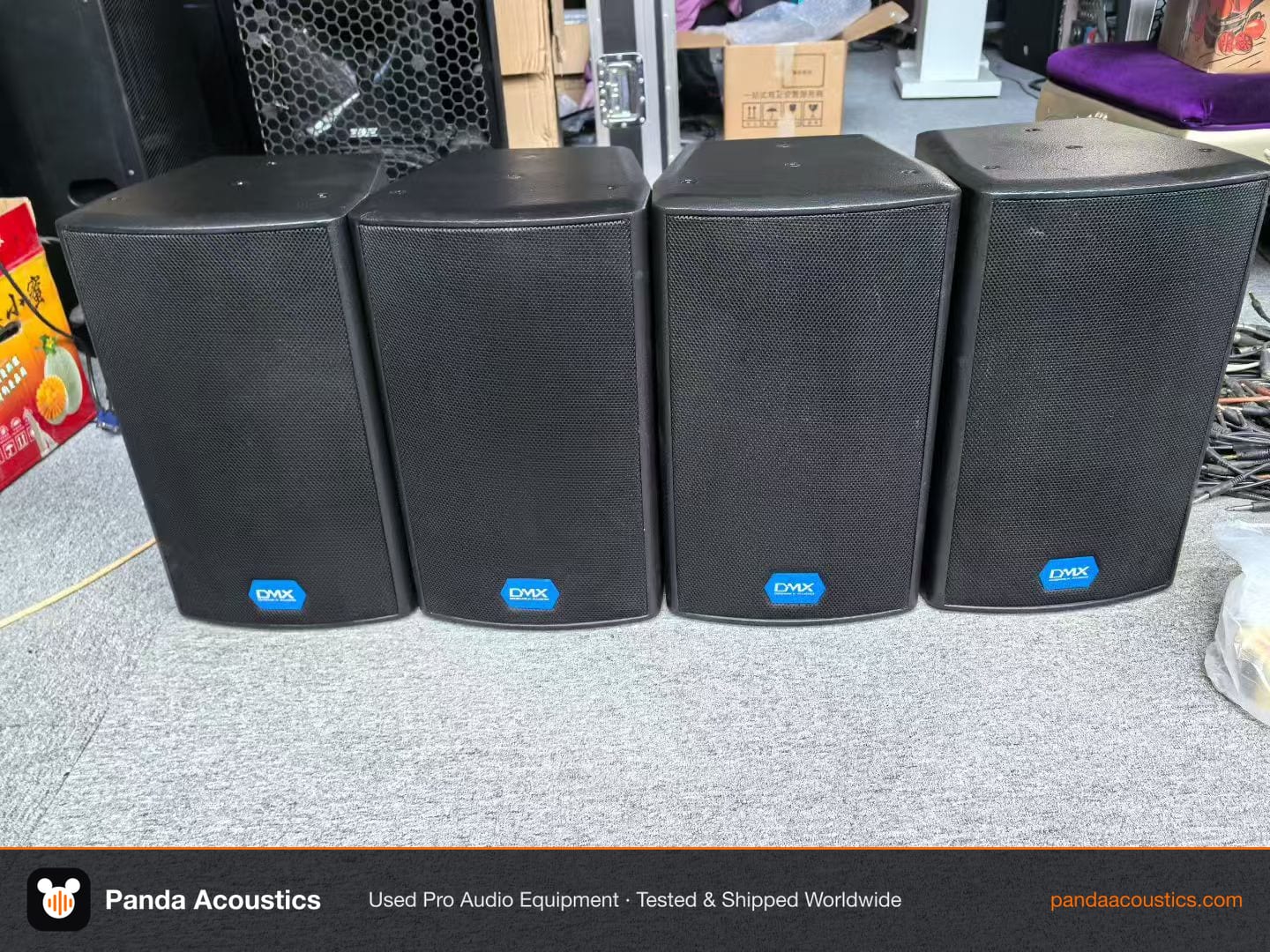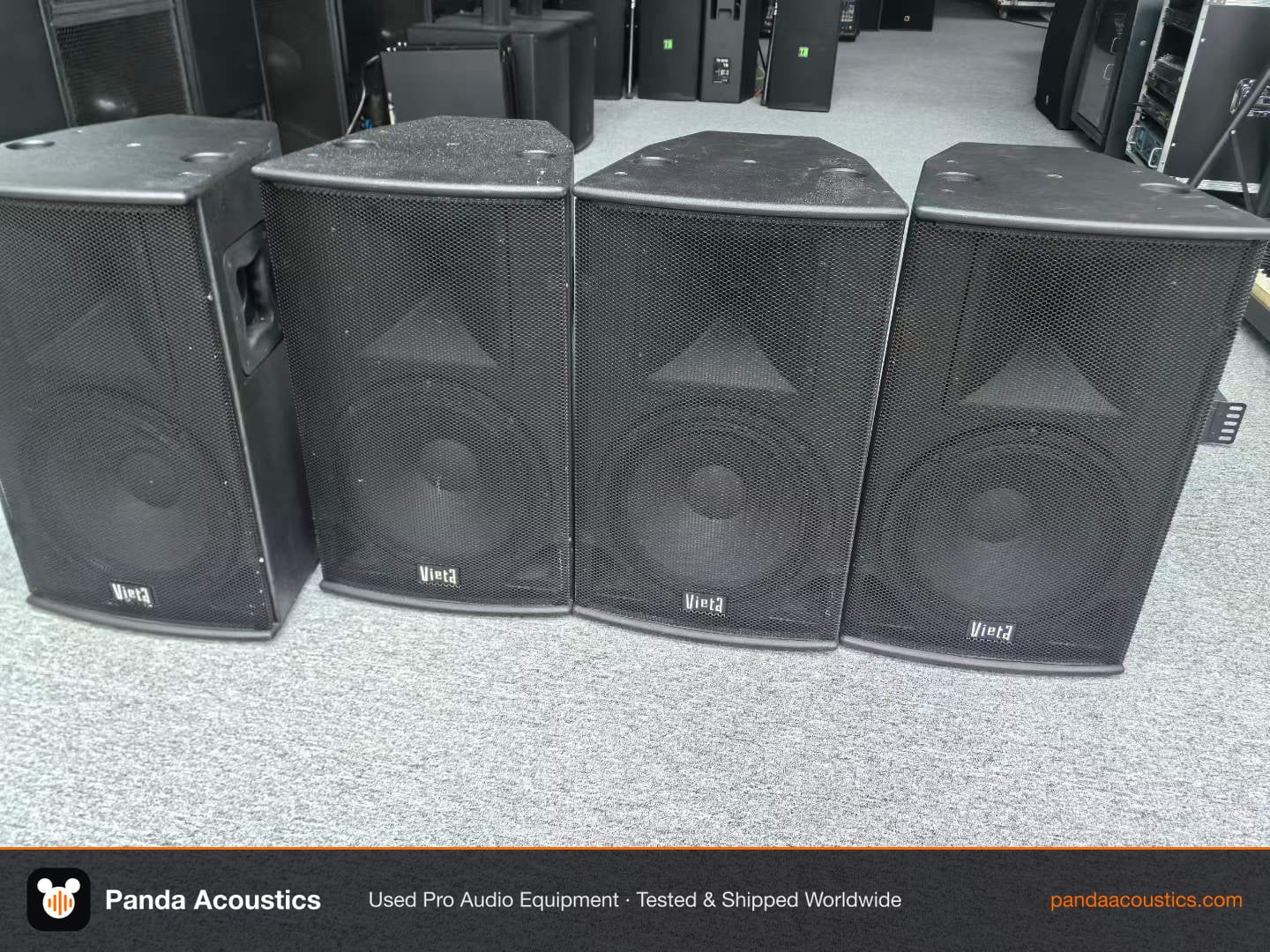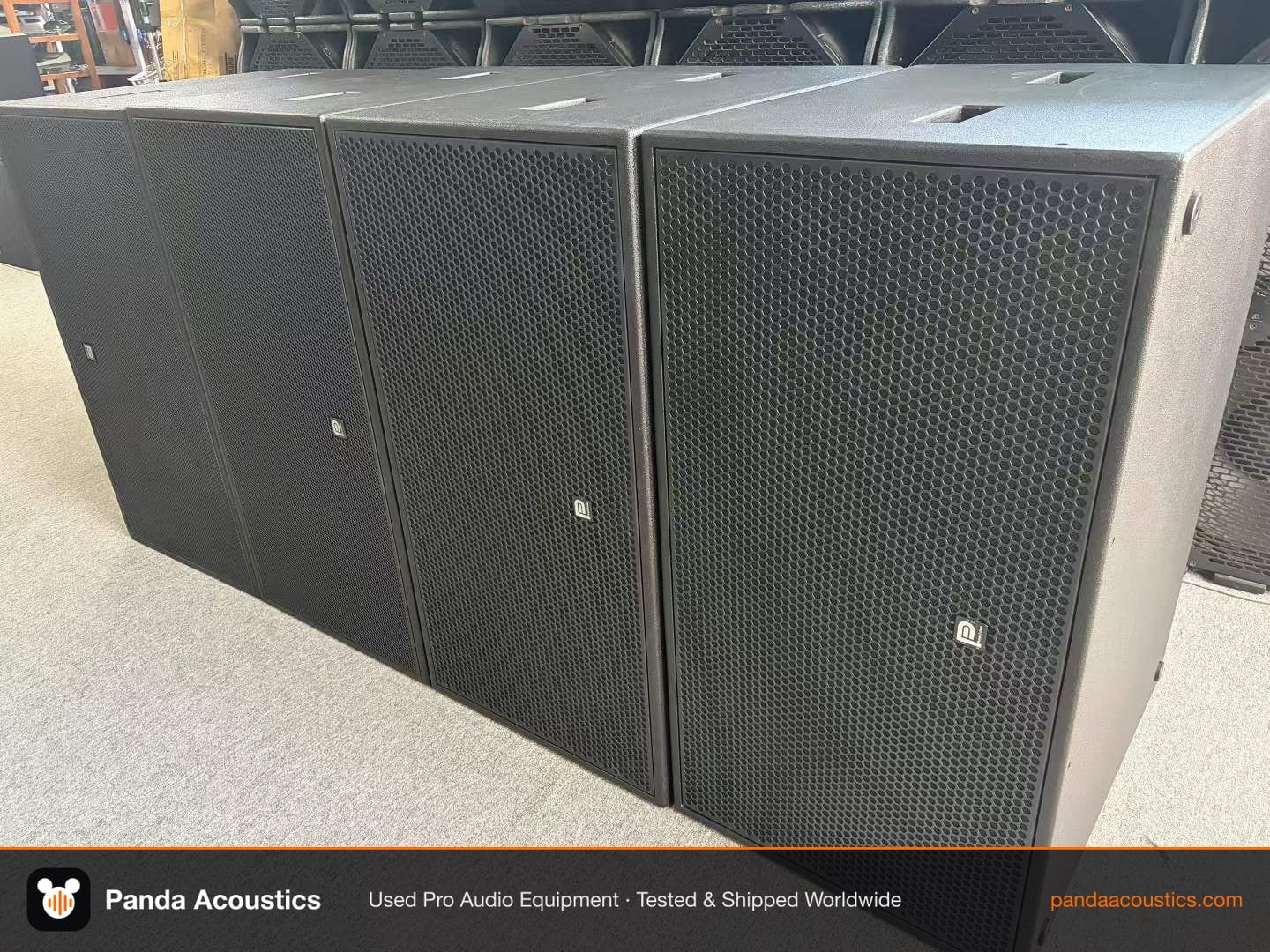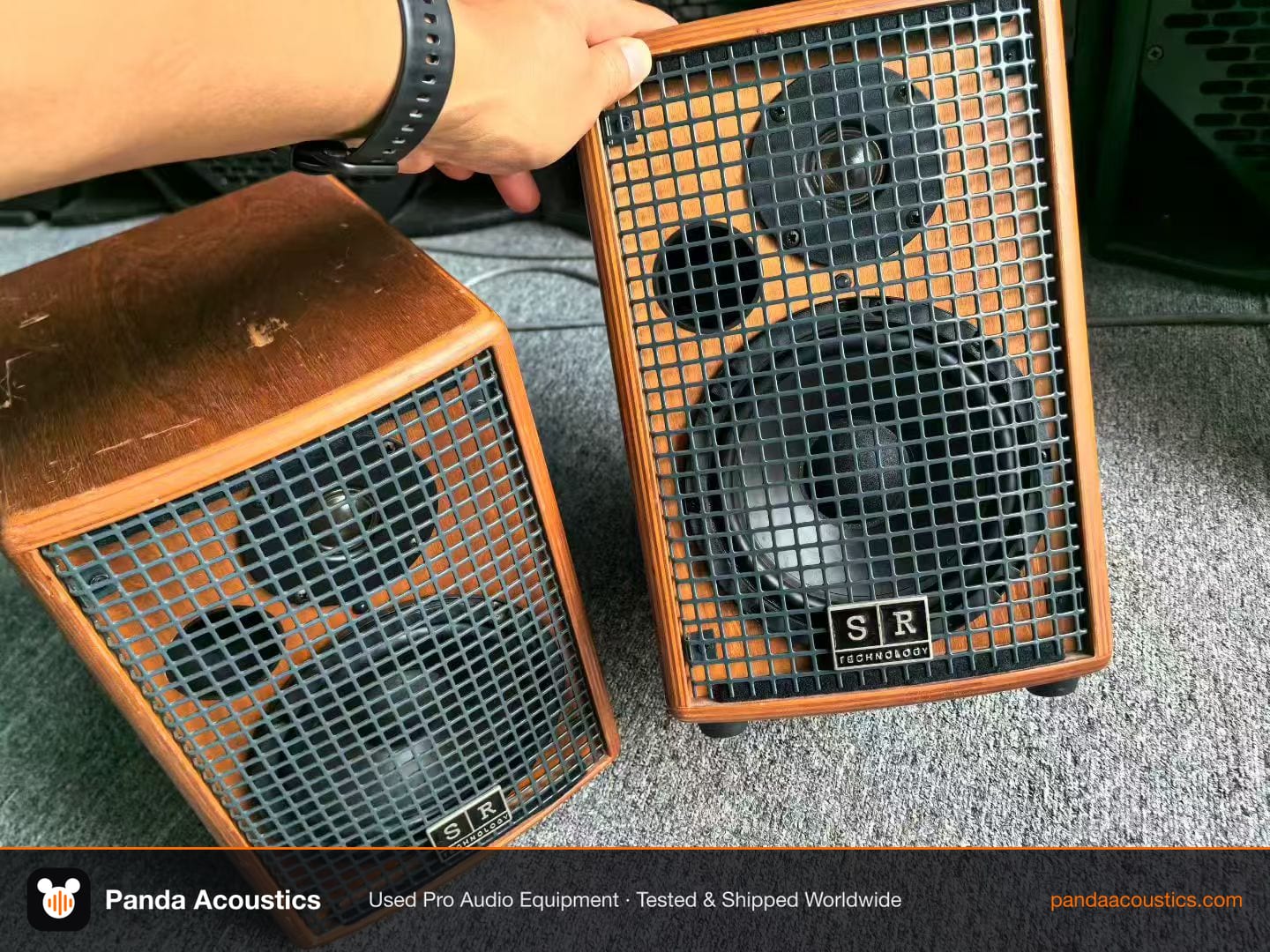
A karaoke occasion is a vocal-first, room-sized job: the system has to carry many singers at moderate level for long sessions, not a concert. For bulk buyers, used professional audio equipment from China can fit that job, but only after condition grade, inspection records and landed cost are confirmed in writing before payment.
Key takeaways
- Match the system to the karaoke occasion first: room count and singer load decide channel count and speaker coverage, not brand prestige.
- Ask for the condition grade of every unit against the published condition grading standard before discussing price.
- Request the inspection record described in the inspection standard for each batch, not a verbal assurance.
- Warranty period, lead time and certification are not disclosed in the available materials, so treat them as Unknown until the supplier states them in the contract.
- Budget on total landed cost, including freight and duties, not on the unit price alone.
The decision
You operate KTV rooms, a bar, a club or a rental fleet, and a karaoke occasion is part of your revenue. You are weighing a bulk purchase of tested used professional audio equipment from a China-based supplier against buying new or buying locally. The question is not whether used gear can sound good. The question is whether the specific units you are offered are worth the money once shipping, duties and risk are added.
That decision has three parts: what the karaoke occasion actually demands, what the listing proves about condition, and what remains unverified. Most buyers stop at the first part and pay on the second without checking the third.
What the data says
The materials available for this article are narrow, and that is useful. Panda Acoustics is a Beijing-based supplier of tested used professional audio equipment sold in bulk to overseas B2B buyers. The published pages cover the product catalogue, the condition grading standard, the inspection standard, payment terms and shipping and logistics.
What the materials do not contain is equally important. There is no price range per unit, no product-level price, no minimum order quantity, no warranty period, no lead time and no certification list. Every one of those figures is Unknown in this article, and you should not accept a number for them from any article, including this one. The only reliable source is the supplier's written quotation and contract.
For the karaoke occasion itself, the materials give no room-size formula and no speaker count. The related internal article on how many speakers a KTV room needs is the place to work that out; this article stays on verification.
What the datasheet/docs don't tell you
Warranty: Not disclosed. A used unit with no stated warranty period means every failure after delivery is your cost. For a karaoke occasion running nightly, amplifier and microphone failures are the ones that stop revenue.
Lead time: Not disclosed. If you are fitting out rooms for an opening date, an unstated lead time is a scheduling risk, not a detail.
Certification: Not disclosed. No CE, RoHS, UL, FCC or ISO claim appears in the materials. If your market or your client requires certification, ask directly and get it in writing; do not assume it.
Price and MOQ: Not disclosed. Without a published price range or minimum order quantity, any budget you build now is an estimate. Ask for a quotation tied to a specific list of units.
Condition grade per unit: The grading standard exists, but the grade of the specific units you are offered is only known once the supplier applies it to your list. A standard is not a grade.
Inspection scope: The inspection standard describes the process, but which tests were run on your batch, and the results, must be shown to you as records. A process description is not a test report.
Who should not choose this
Do not buy used for a karaoke occasion if any of these apply. You need certified equipment and cannot accept an unverified certification status. You need a fixed warranty period and a fixed delivery date written into the deal before you commit. You are buying a single room's worth of gear, where freight and inspection effort outweigh the saving. You cannot inspect or have the goods inspected before shipment, and you are not willing to accept the condition grade as stated.
Also skip it if your venue is a high-end room where clients judge finish and cosmetics as much as sound. Used units carry cosmetic history that a grading standard can describe but not remove.
Comparison and trade-offs
The materials allow one honest comparison: buying used in bulk from Panda Acoustics versus buying new or locally. On the used side, the documented advantages are a published condition grading standard and a published inspection standard, plus bulk supply of tested equipment. On the new or local side, the materials say nothing, so no specification, price or warranty comparison can be made here without inventing facts.
The trade-offs inside the used route are real. Bulk purchase lowers per-unit effort but raises the cost of a wrong grade across many units. A stricter inspection request protects you but takes time you may not have before an opening. Paying on terms set out in the payment terms page is safer than informal transfer, but the terms themselves must be read and agreed, not assumed.
Freight is the other trade-off. The shipping and logistics page is the reference for how goods move; the actual cost to Russia, the Middle East, South America or Africa is Not disclosed here and must be quoted for your volume and route.
Implementation / next step
Before paying, do this in order. Write your karaoke occasion requirement as a list: number of rooms, singers per room, session length, and the channels and coverage each room needs. Send that list to the supplier and ask for a quotation naming each unit, its condition grade under the grading standard, and the inspection record under the inspection standard. Ask explicitly for warranty period, lead time, MOQ and certification status in writing. Then request a landed-cost figure to your port, and compare it with your new-equipment option.
If any of those four items comes back blank or verbal, do not pay. A blank warranty or lead time is a real cost you are accepting without knowing it.
The concrete next step: open the product catalogue, shortlist the models that fit your room list, and send that shortlist with your karaoke occasion requirements to request a graded, inspected quotation before any payment.