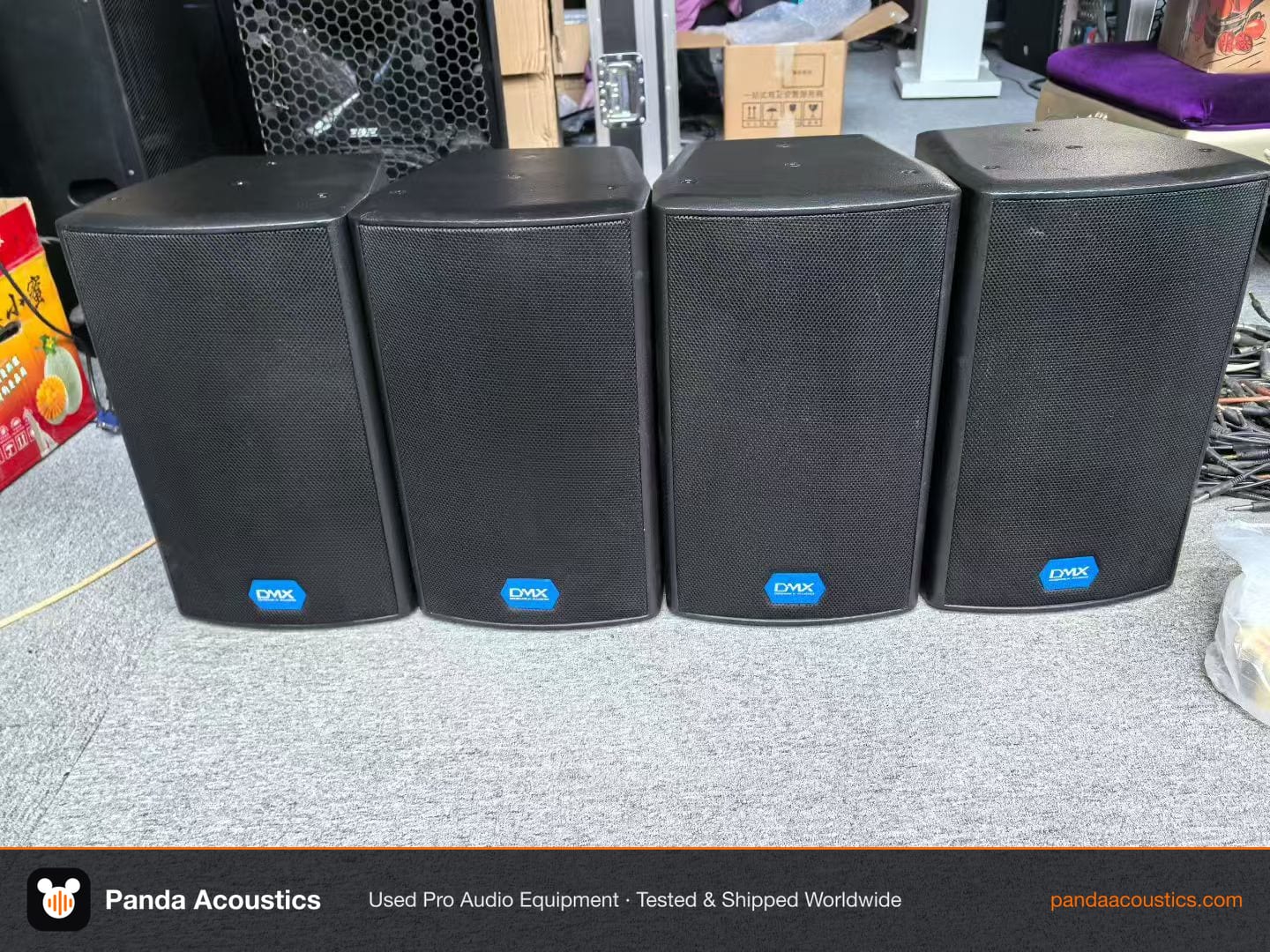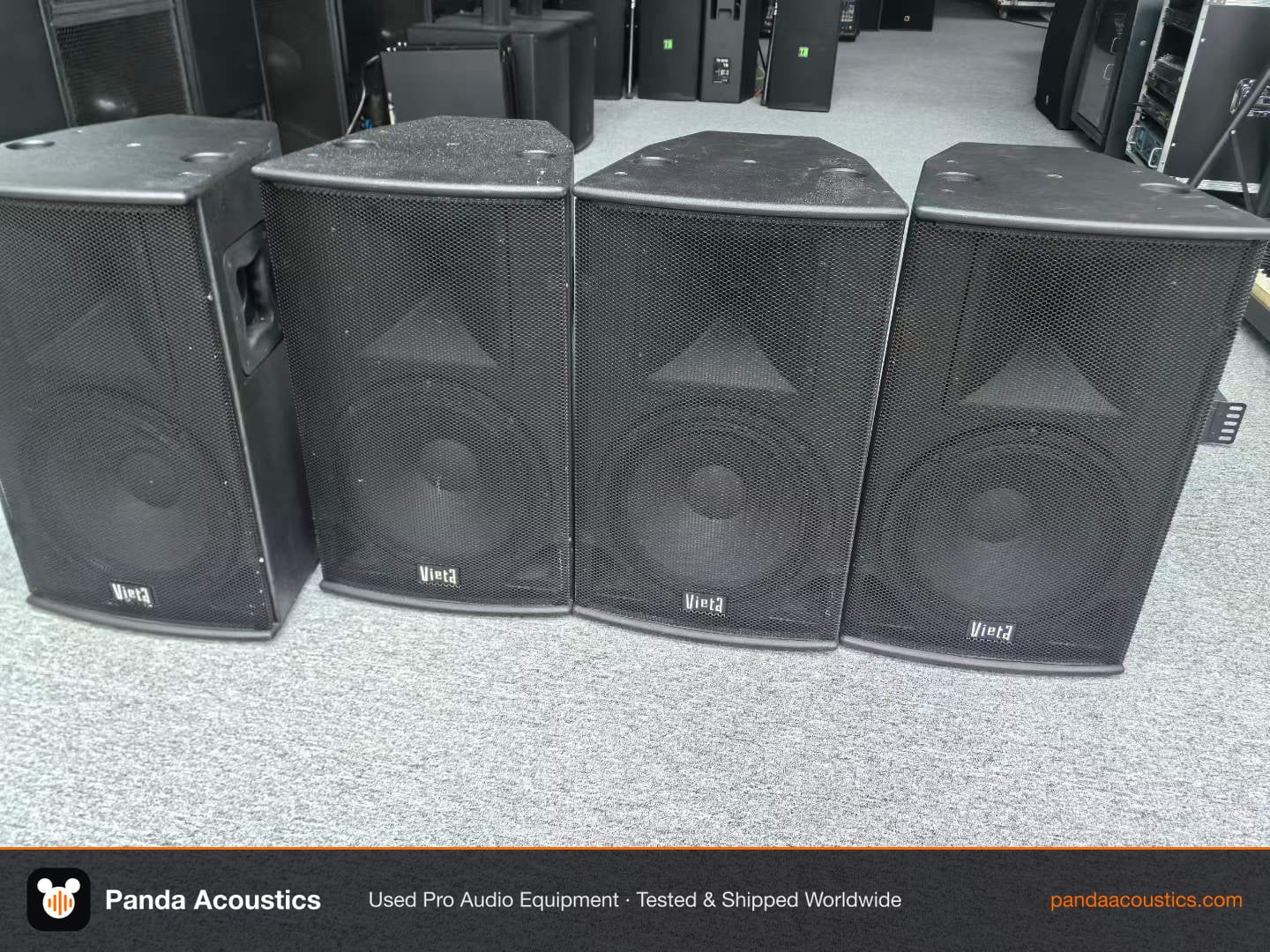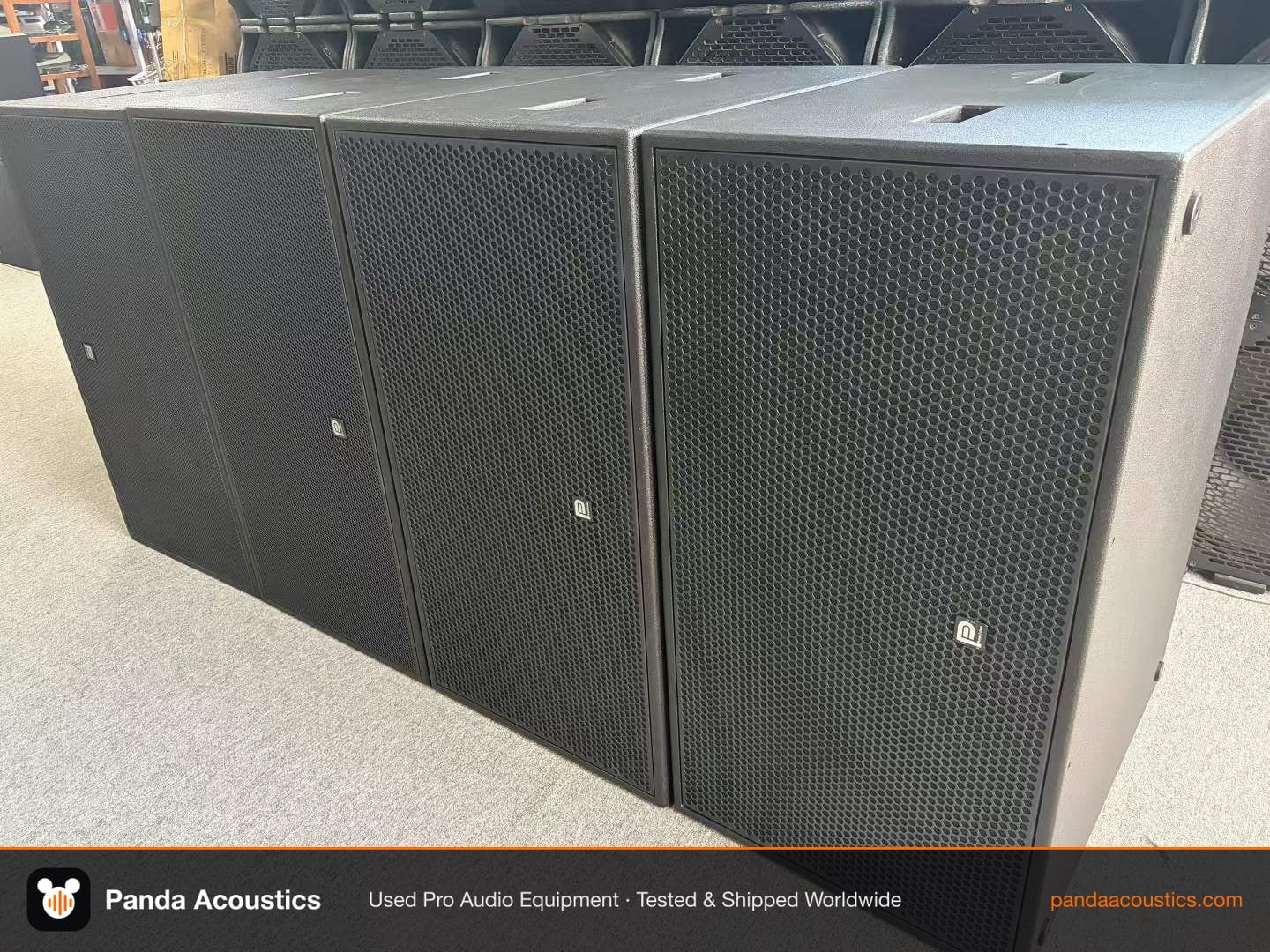
Importing used professional audio equipment from China is workable for volume buyers when the seller documents condition grading and inspection before payment, and when payment and shipping terms are confirmed in writing. The decision should rest on those documents, not on photos or brand names.
Quick answer
Used pro audio from China is sold in bulk to overseas B2B buyers as tested equipment, and the practical question is not whether the category exists but what the seller will put in writing about condition, inspection, payment and freight. Ask for the grading standard, the inspection record, the payment terms and the shipping terms, then compare them against your own acceptance criteria. If any of those four is missing, treat the offer as unverified.
Key takeaways
- Condition is defined by a published grading standard, so ask which grade each lot is assigned and read the definition before agreeing.
- Inspection is a documented process; request the inspection record for the specific units in your lot, not a generic sample.
- Payment terms and shipping terms are separate documents and both affect your total landed cost.
- Certification, warranty period, lead time and price per unit are not stated in the materials available here, so treat them as Unknown until the supplier confirms in writing.
The decision
You run a KTV chain, a touring sound company, a rental house, or a bar and club with several rooms, and you are buying in volume. Your alternative to Chinese used stock is either new equipment at full cost or used equipment from a closer market with shorter freight and easier returns. The China route appeals because bulk volume is available and the equipment is described as tested before sale.
The decision you are actually making is a documentation decision. A container of used amplifiers, speakers or processing that arrives in the wrong condition grade costs more than the discount you negotiated, because you carry the freight, the customs clearance and the re-work. So the question to answer before paying is: can this supplier show me, in writing, what was checked and what grade was assigned, and can I match those documents to the exact units I am buying?
What the data says
The materials available describe Panda Acoustics as a Beijing-based supplier of tested used professional audio equipment sold in bulk to overseas B2B buyers. That is the full extent of the commercial description: the entity, the category of goods, and the bulk B2B model.
The supplier publishes four policy pages that matter to an importer. The condition grading standard defines how used equipment is graded. The inspection standard defines how equipment is checked. The payment terms page covers how payment is handled. The shipping and logistics page covers freight arrangements. A product catalogue lists what is offered.
Beyond those pages, the materials do not give a price range per unit, a minimum order quantity, a warranty period, a lead time, or any certification. Those figures are Not disclosed. Any number you see elsewhere in a sales conversation should be traced back to a written document, because nothing in the published materials confirms it.
What the datasheet/docs don't tell you
Certification status is Unknown. The materials do not state CE, RoHS, UL, FCC or ISO status for any item. This matters because your country's customs authority may require a conformity document at clearance, and a missing certificate can stall a container at port while storage charges accumulate. Ask before you book freight, not after.
Warranty period is Not disclosed. Used equipment sold in bulk may carry no warranty, a short one, or a negotiated one. Without a stated period you should assume you carry all post-arrival failure risk, and price your resale or rental margin accordingly.
Lead time is Not disclosed. You cannot plan a rental season or a KTV fit-out without a dispatch date. Ask for the date in the payment or shipping document.
Price per unit is Not disclosed. The materials give no price range, so any budget you build must come from a written quotation tied to a specific lot and grade.
The relationship between grade and function is not spelled out here. The grading standard defines grades, but the materials do not tell you how a given grade maps to, for example, cosmetic versus functional condition for a specific model. Read the grading page and confirm the mapping for your lot in writing.
Who should not choose this
Do not buy used bulk audio from China if you need certified equipment and cannot wait for the supplier to confirm certification in writing. Compliance-driven tenders, government contracts and installations that require a conformity file are a poor fit, because certification is not stated in the materials.
Do not choose this route if you need a defined warranty period as a condition of purchase. If your business model depends on claiming a warranty to your own customers, and the supplier will not state one, the risk sits with you.
Do not choose it for single units or small trial orders where freight and clearance dominate the cost. The model described here is bulk B2B, and the economics only make sense at volume.
Finally, do not proceed if you cannot inspect the documentation before paying. A buyer who pays first and reads the grading and inspection records afterwards has removed their only lever.
Comparison and trade-offs
Within the materials, the meaningful comparison is between documented and undocumented supply, not between brands. A documented lot gives you a grade from the grading standard, a record from the inspection standard, and defined payment terms and shipping arrangements. An undocumented lot gives you photos and a verbal description.
The trade-off is straightforward. Documented bulk used equipment costs you administrative time up front: you read four policy pages, you request lot-specific records, and you reconcile them with your own acceptance criteria. Undocumented supply costs you less time up front and more risk after arrival. For a rental house or KTV operator buying containers, the first trade is the better one.
A second trade-off is volume against flexibility. Bulk purchasing improves your position on freight and handling, but it reduces your ability to reject individual units. That is why the grading and inspection documents matter: they are your substitute for unit-by-unit selection.
A third trade-off is origin distance. Shipping from China to Russia, the Middle East, South America or Africa involves longer transit than regional sourcing, and the materials do not state transit times. You are trading longer logistics for bulk availability, and you should confirm the shipping terms before committing.
Implementation / next step
Before paying anything, request four documents for the specific lot you are considering: the grade assignment under the condition grading standard, the inspection record under the inspection standard, the payment terms, and the shipping terms. Read each one and check that the model, quantity and grade in the documents match the quotation.
Then write down your own acceptance criteria: which grades you will accept, which faults are disqualifying, and what you will do if the arrived goods do not match the record. Send that list to the supplier and ask them to confirm it in writing against the lot. If they will not, walk away.
Only after those documents are confirmed should you discuss price, because price without a grade and an inspection record is not comparable to any other quote you hold.
Next step: open the condition grading standard and the inspection standard, read both, and send the supplier a written request for the lot-specific grade and inspection record before any payment discussion.