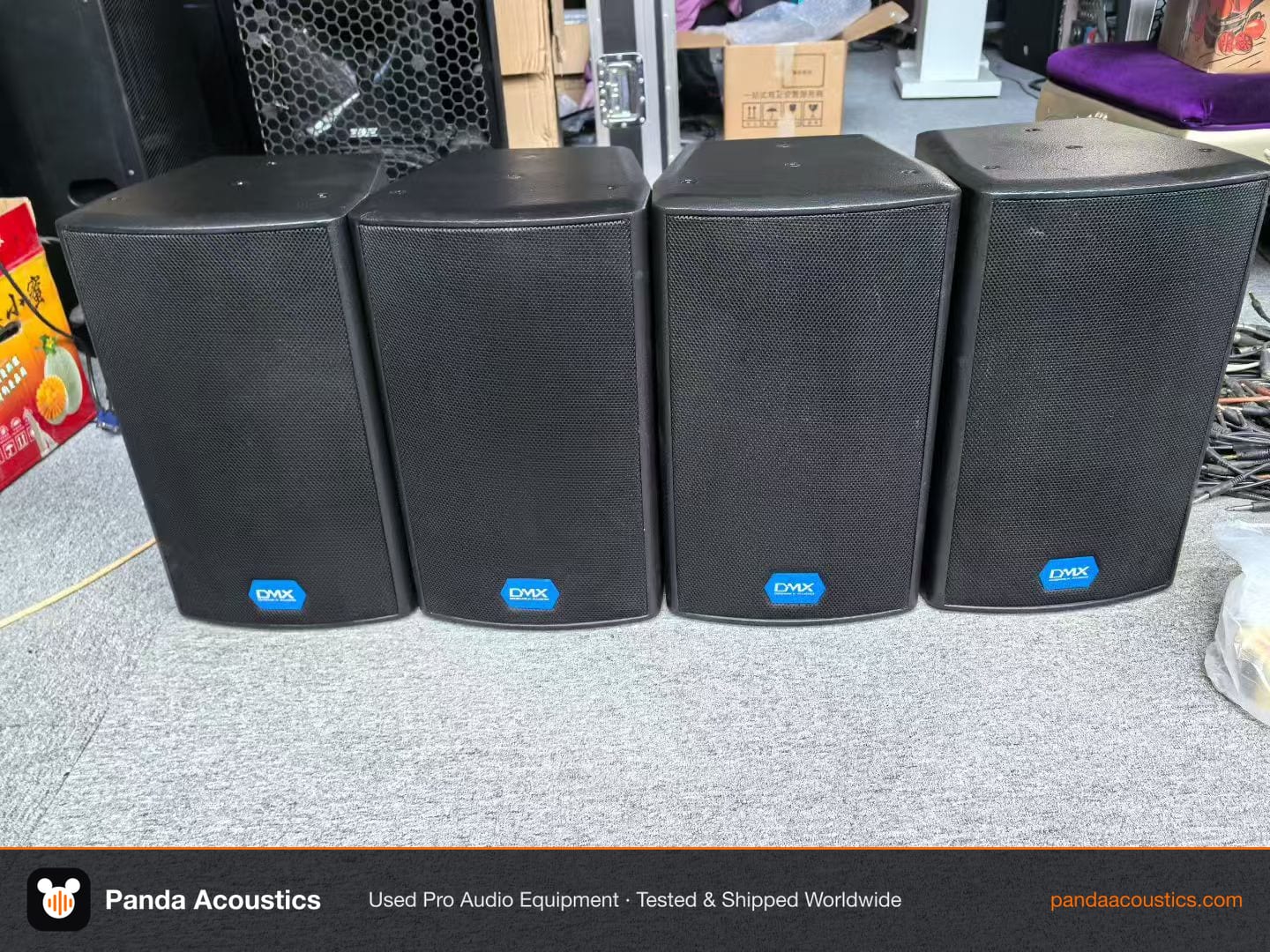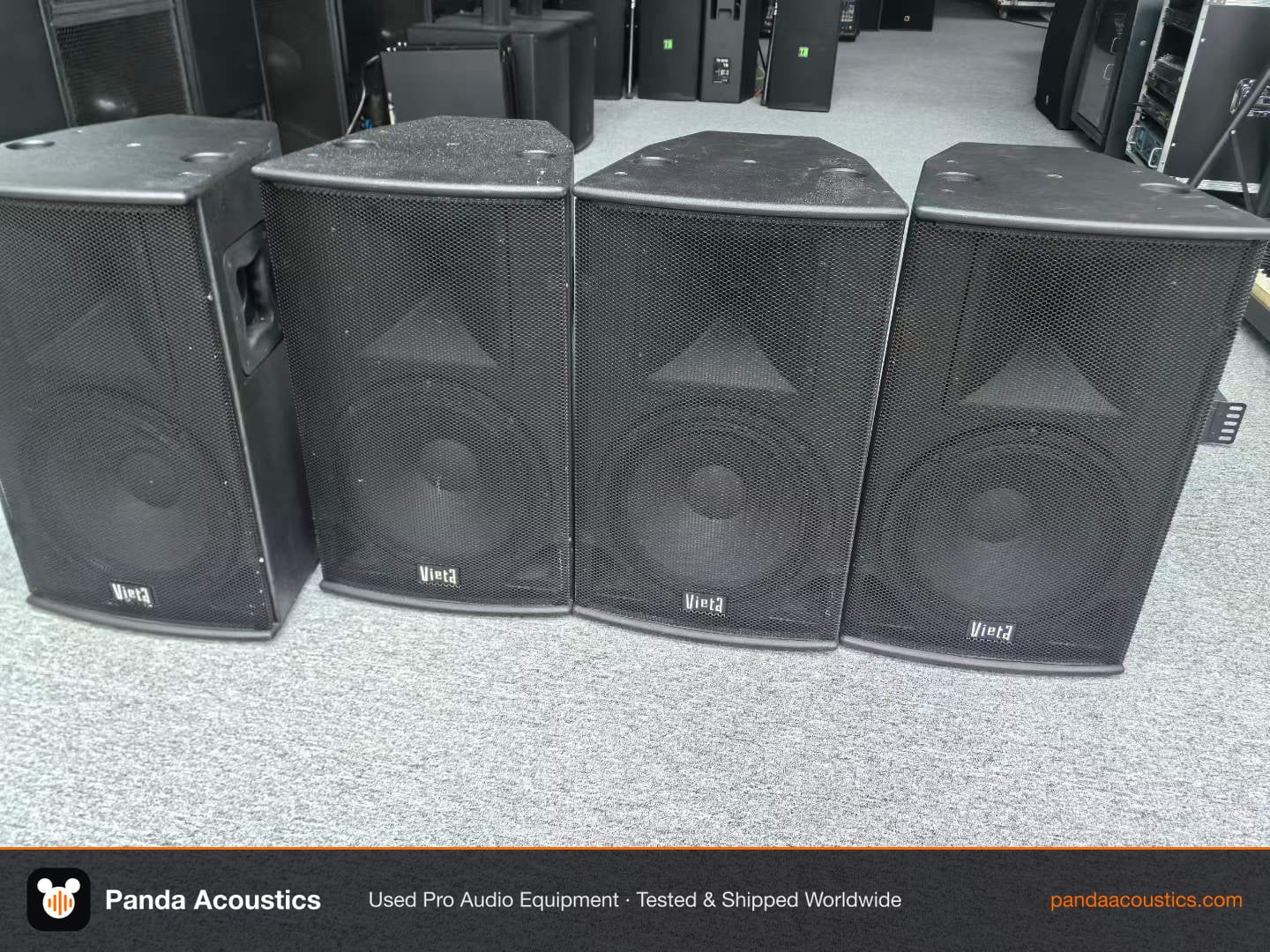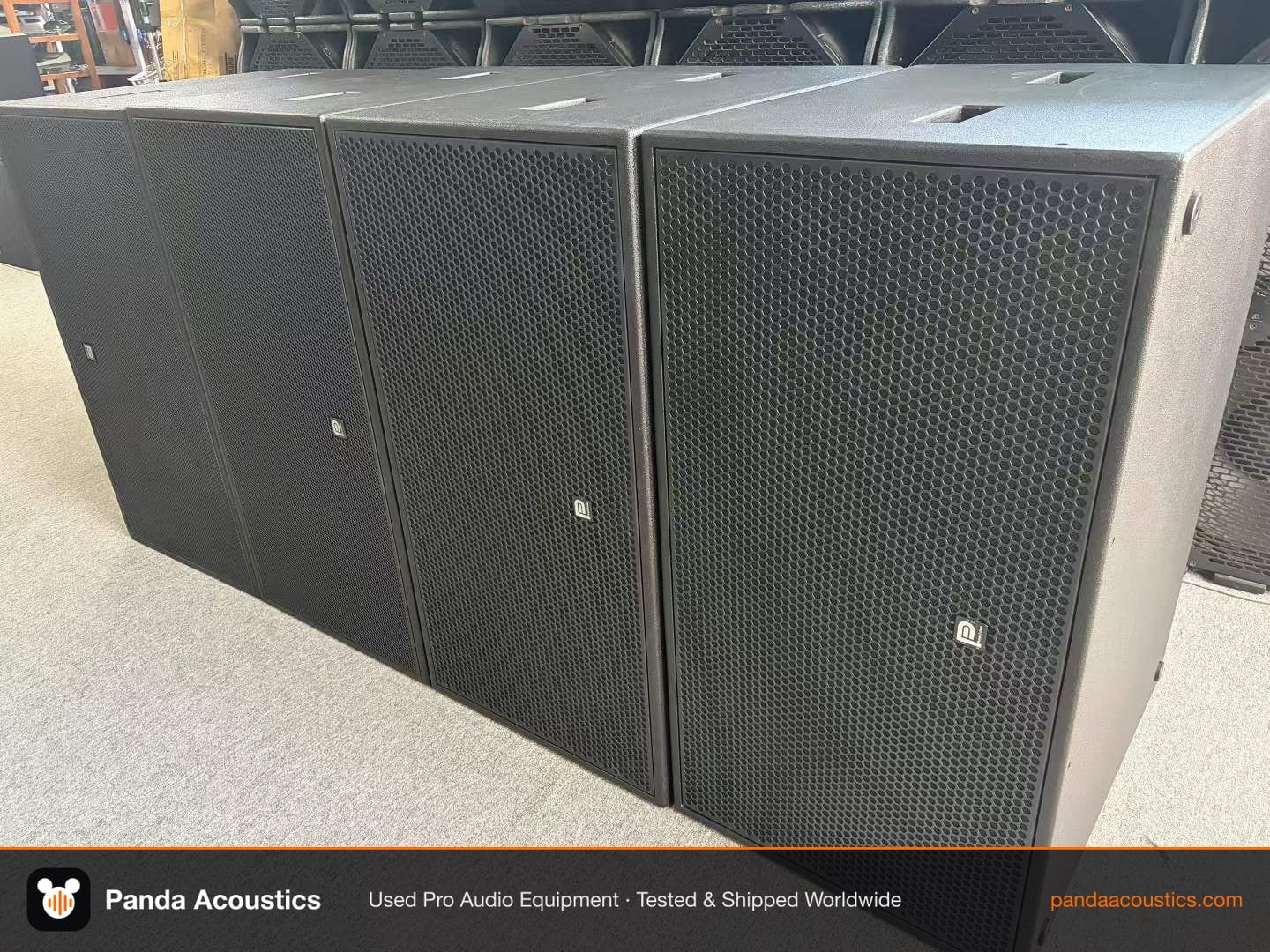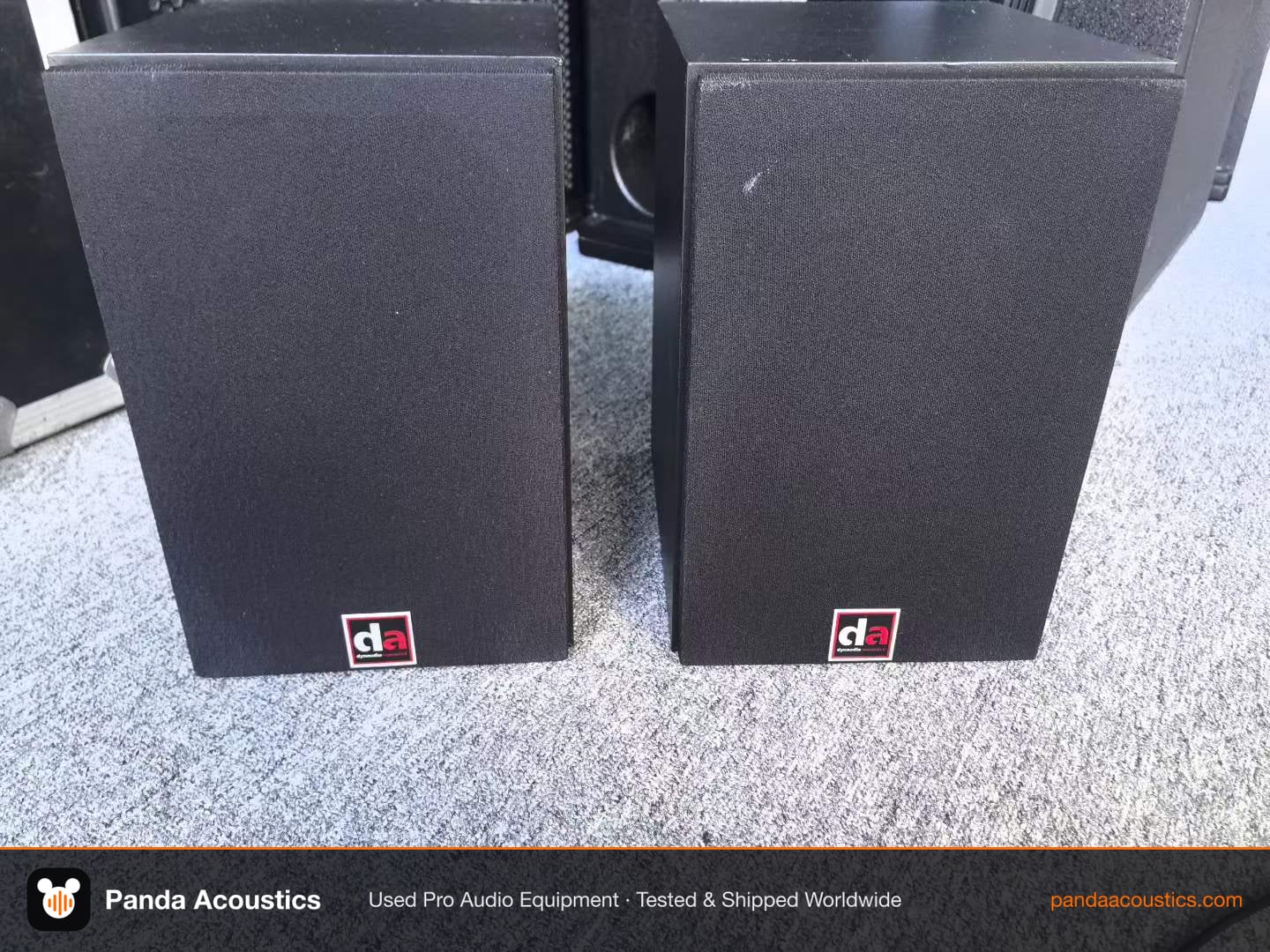
A 220V PA system for export is worth buying used from China only if you verify voltage tolerance, plug type, frequency compatibility, and condition grading before payment. Most target markets in Russia, the Middle East, South America, and Africa run on 220–240V at 50Hz or 60Hz, so a 220V system can work—but the export details decide whether it works in your venue.
Quick answer
Yes, a 220V PA system can be a practical used purchase for export to 220–240V markets, provided the seller documents voltage range, plug configuration, and condition grade. The risk is not the voltage itself; it is buying without inspection or clear grading, which is why bulk buyers should treat this as a verification problem, not a product-feature problem.
Key takeaways
- 220V is a common export voltage for Russia, the Middle East, South America, and Africa, but frequency (50Hz vs 60Hz) and plug type vary by country and must be confirmed per destination.
- Used equipment condition is the main variable: ask for the condition grading standard and inspection standard before negotiating price.
- Total landed cost includes shipping, import duties, and any voltage adaptation; get a logistics quote before committing.
- No certification (CE, RoHS, UL, FCC, ISO) is stated in the materials for used equipment, so do not assume compliance for regulated markets.
- Payment terms and inspection rights should be agreed in writing before any deposit.
The decision
You are a KTV operator, touring sound company, rental house, bar, or club buying in volume from China. You have a quote for a used 220V PA system and need to decide whether to pay a deposit. The system may be amplifiers, powered speakers, or a full PA package. Your market runs on 220–240V, and you want to avoid buying equipment that arrives with the wrong plugs, hidden faults, or no documentation. The decision is not whether 220V is good—it is whether this specific lot is worth the total landed cost.
What the data says
The materials describe Panda Acoustics as a supplier of tested used professional audio equipment sold in bulk to overseas B2B buyers. The site lists a condition grading standard and an inspection standard, which are the two documents that define what “used” means for a given lot. There is no price range per unit, no MOQ, no warranty period, and no lead time stated in the materials. No certification is listed. Shipping and logistics are covered on a separate page, but no rates or transit times are given. For a 220V PA system, the only concrete facts available are that the equipment is used, tested according to the inspection standard, graded according to the grading standard, and sold in bulk for export.
What the datasheet/docs don't tell you
The materials do not disclose voltage tolerance per model, plug type, frequency compatibility (50Hz or 60Hz), power output, or whether the equipment has been modified for export. These are Unknown. That matters because a 220V rating on a label does not guarantee the device will run safely on 240V or at 60Hz. The materials also do not state whether original manuals, schematics, or service history are included. Condition grade definitions are on the grading page, but the actual grade of a specific lot is Not disclosed until you request it. Without that, you cannot compare lots or estimate failure risk. Certification is Not applicable in the materials—no CE, RoHS, UL, FCC, or ISO claims are made—so if your market requires compliance, you must verify independently.
Who should not choose this
Do not choose a used 220V PA system from China if you need a manufacturer warranty, certified equipment for a regulated installation, or guaranteed plug-and-play compatibility with a specific national standard. Also avoid this route if you cannot arrange pre-shipment inspection or review the grading and inspection documents before paying. Buyers who need a single unit for a small venue and cannot absorb the risk of used gear should buy new locally instead. Bulk buyers with no technical staff to check voltage and wiring should not proceed.
Comparison and trade-offs
Compared with new equipment, used 220V PA systems from China offer lower unit cost but no stated warranty and Unknown service history. Compared with buying used locally, sourcing from China can give access to bulk quantity, but adds shipping cost and logistics complexity, which are described on the shipping page without specific rates. Compared with 110V equipment, 220V systems avoid the need for step-up transformers in 220–240V markets, but only if the plug type and frequency match. The trade-off is clear: you accept Unknown certification and limited documentation in exchange for bulk availability and lower upfront price. If your project requires certified equipment, this category is not suitable.
Implementation / next step
Before paying, request the condition grading report and inspection report for the specific lot, confirm voltage range and plug type per unit, and get a written shipping quote to your destination port. Review the payment terms and agree on inspection rights before any deposit. If the seller cannot provide grading and inspection documents, walk away. Your next action: email the supplier with your destination country, required plug type, and frequency, and ask for the grading and inspection documents for the exact units you are considering.
FAQ
Is 220V the same as 230V or 240V for PA equipment? Not necessarily. The materials do not state voltage tolerance, so you must confirm per model whether it accepts 220–240V. Unknown until documented.
Can I use a 220V PA system in a 60Hz country? The materials do not disclose frequency compatibility. Check the equipment label and ask the supplier; if not stated, treat it as Unknown and verify with an electrician.
What plug type comes with the system? Not disclosed in the materials. Plug type varies by destination, so specify your required plug and confirm before shipping.
Does used equipment come with certification? No certification is stated in the materials. Do not assume CE, RoHS, UL, FCC, or ISO compliance.
What is the minimum order quantity? Not disclosed. The materials describe bulk sales but give no MOQ figure.