When you search for a used pro audio amplifier, you are likely equipping a KTV room, a bar, or a touring rack. You need reliable power, not marketing fluff. This guide covers what to check before you spend money on used amplifiers and how to match them with the rest of your system.
Why Used Amplifiers Make Sense for Volume Buyers
New professional amplifiers are expensive. For operators in Russia, the Middle East, South America, and Africa, used units from reputable brands offer a way to build multiple rooms or a full touring rig without overspending. The key is condition. A tested used amplifier that has been properly maintained can deliver years of service. But you must know what to look for.
Start by asking the seller for detailed photos of the internals, not just the front panel. Look for dust buildup, corrosion, or burn marks. Ask about the history: was it used in a fixed install or on the road? Touring amps face more vibration and heat cycles. Fixed install amps from a KTV may have been run at high output for long hours.
Inspection Checklist for Used Amplifiers
Before buying, request a video of the amplifier powering up and driving a load. Listen for unusual fan noise or relay clicks. Check that all channels work independently. If possible, ask for a test with a signal generator and oscilloscope to verify output waveform. Many sellers will not have this equipment, but a simple audio test with a speaker can reveal distortion or dropouts.
Inspect the power supply capacitors. If they are bulging or leaking, the amp may need service soon. Also check the input and output connectors for wear. XLR and speakON connectors should lock firmly. Binding posts should be clean and tight.
For digital amplifiers, check the DSP section if present. Ensure that presets can be changed and that the network port (if any) works. Some used amps may have locked or missing passwords. Ask for a factory reset if needed.
Matching Amplifiers to Speakers and Mixers
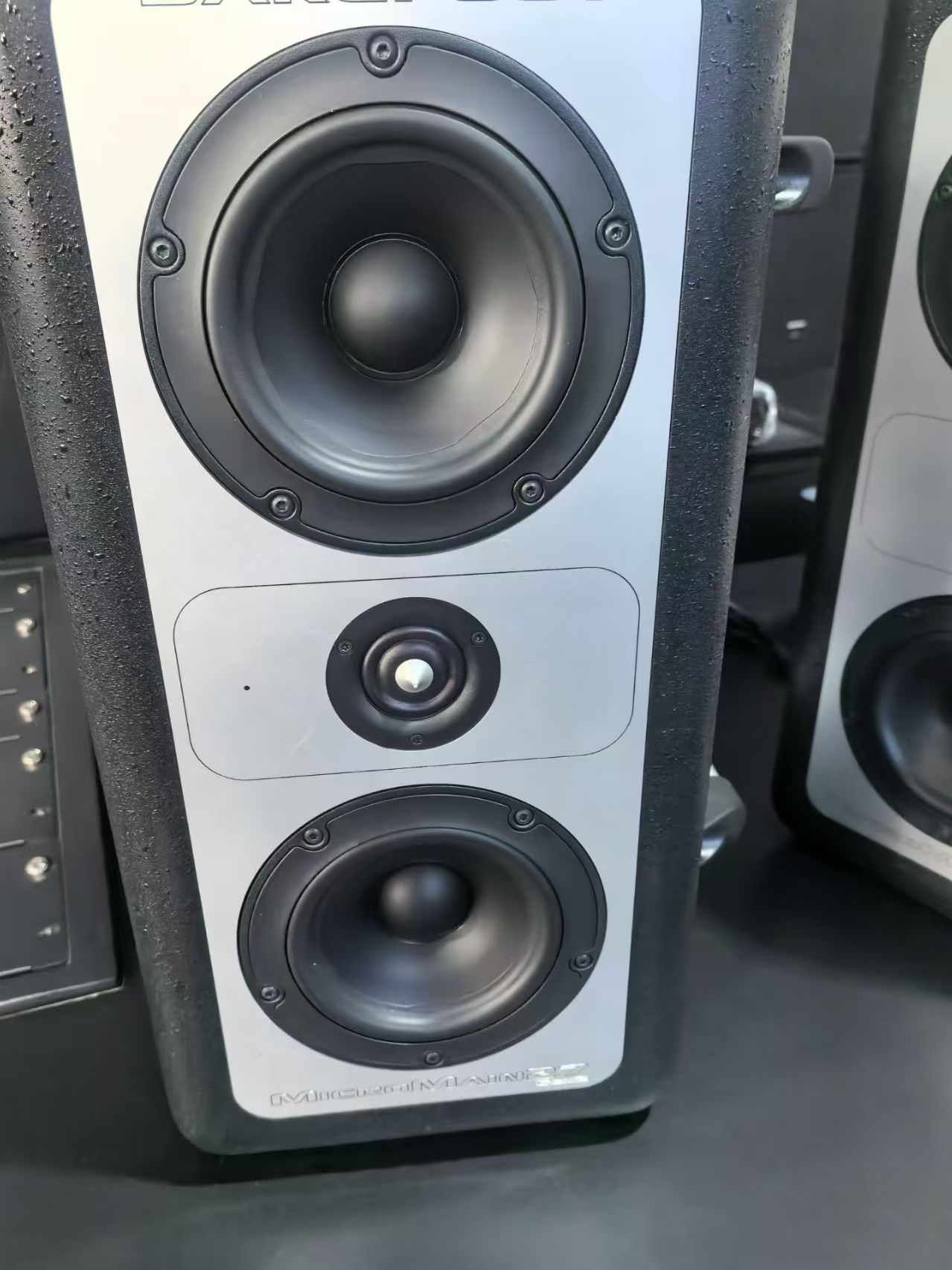
Your amplifier must match the power handling and impedance of your speakers. For example, a two-way full-range PA speaker might handle 500 watts continuous at 8 ohms. You need an amplifier that delivers that power cleanly. Underpowering can damage speakers just as much as overpowering. Use the manufacturer’s specifications as a guide.
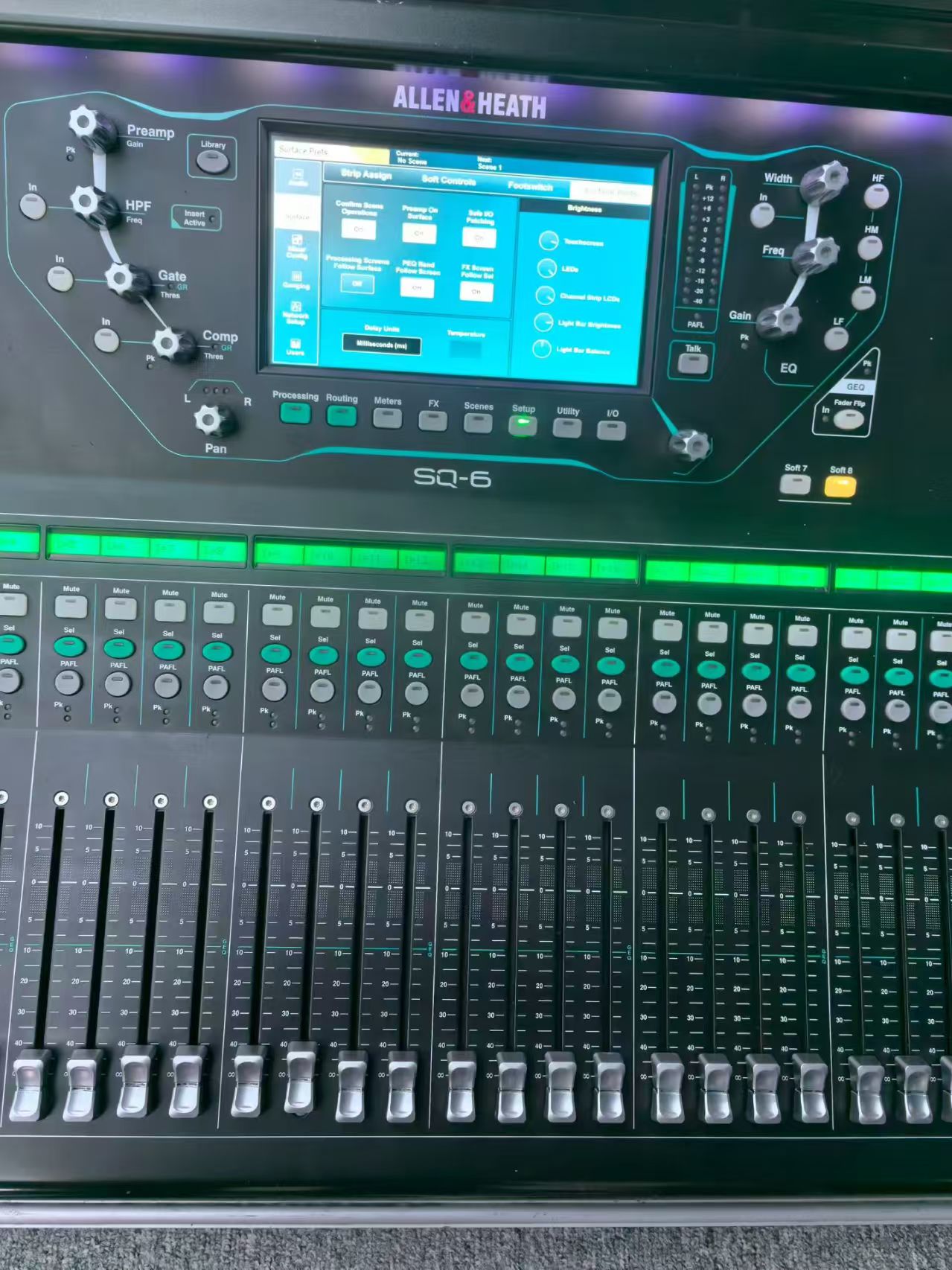
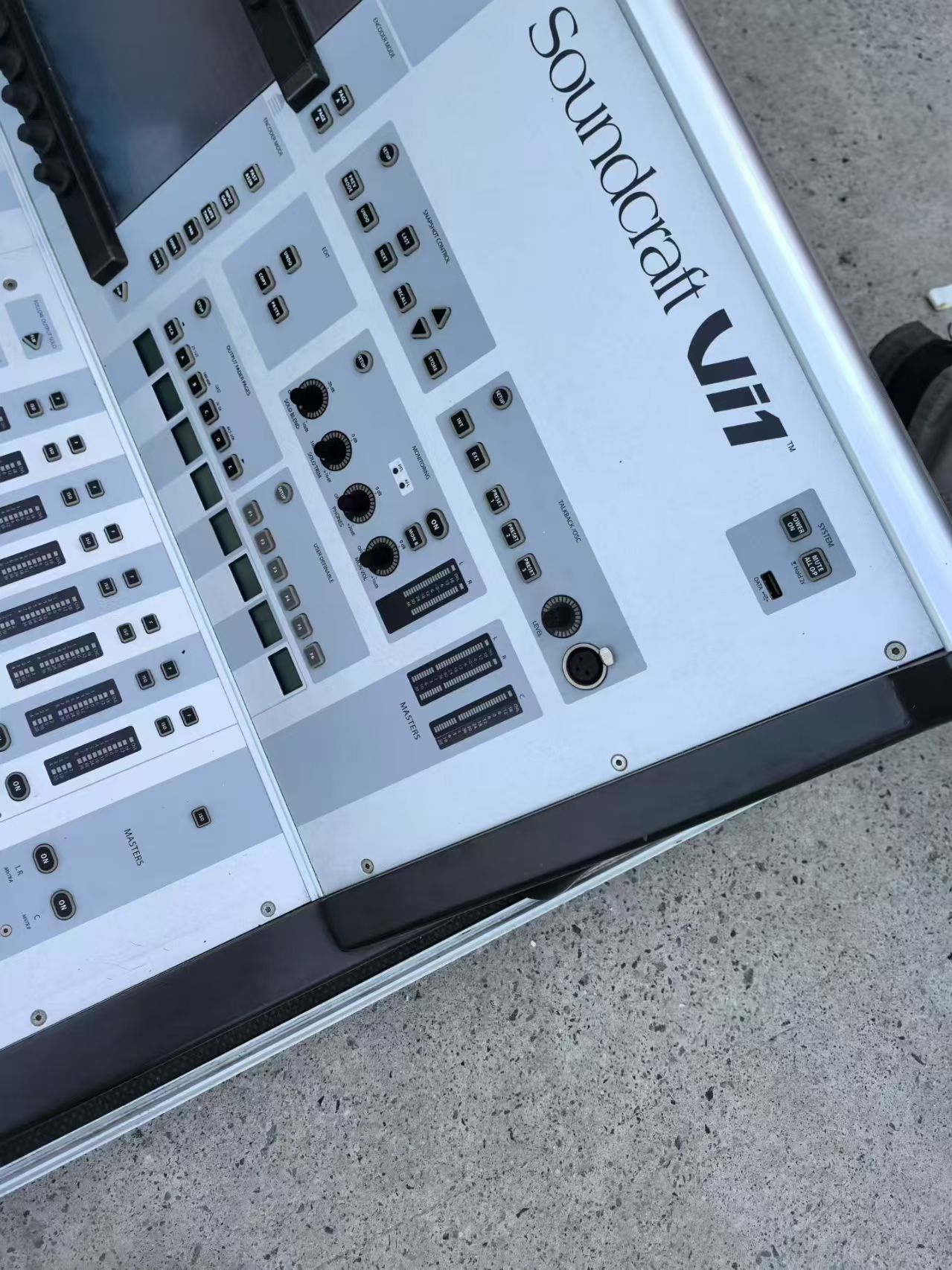
If you are building a KTV system, you may pair amplifiers with a digital mixer like the Allen & Heath SQ-6 or Soundcraft Vi1. These mixers offer precise control and processing, but they require amplifiers that can handle their output levels. Make sure your amplifier has enough headroom and the right input sensitivity.
For touring systems, consider amplifiers with network control and monitoring. This allows you to check status remotely. Used amplifiers from major brands often have these features, but verify that the software is still supported.
Where to Buy Used Pro Audio Amplifiers
Panda Acoustics supplies tested used professional audio equipment, including amplifiers, mixers, and speakers. We focus on real condition and provide detailed information so you can make an informed decision. Browse our products to see current inventory. For larger systems, check our KTV sound system solutions or concert touring solutions.
When buying in bulk, ask about batch testing. We can provide test reports for each unit. This is especially important for KTV operators who need consistent performance across many rooms. Also ask about our importing guide for shipping and customs.
Common Pitfalls to Avoid
Do not buy based on price alone. A cheap amplifier that fails in a month will cost you more in downtime and replacements. Avoid sellers who cannot provide clear photos or test results. If the price seems too low, there is likely a reason.
Check the voltage requirements. Equipment from different regions may be set for 120V or 230V. Make sure it matches your local power. Some amplifiers have switchable voltage, but not all. Also consider the plug type; you may need adapters.
Finally, consider the availability of spare parts. Popular brands have better support networks. If you are buying obscure models, you may struggle to find replacement parts.
Conclusion
Buying used pro audio amplifiers is a practical way to equip your venue or tour without breaking the bank. Focus on condition, test thoroughly, and match components carefully. With the right approach, you can build a reliable system that serves you for years.