If you are searching for used line array speakers for sale, you are likely buying for a venue, a rental fleet, or a resale operation. You care about what the boxes have actually been through, not what a brochure says. This guide covers the practical checks that separate a working line array from a pile of expensive parts.
Start With the Real Condition, Not the Listing
Every used line array listing claims 'excellent condition.' That phrase means nothing until you see the details. Ask for close-up photos of the cabinet corners, the rigging hardware, the grille, and the connector panels. A box that has been flown for years will show wear at the fly points and handles. That is normal. What you want to avoid is bent rigging, cracked cabinet walls, or rust on the internal frame.
For any line array purchase, request a video of the box under power. Play a familiar track through it at moderate level and listen for rattles, buzzes, or a dead driver. A single blown HF driver is not a deal-breaker, but it tells you the seller may not have tested the rest. If you are buying a full system, ask for a video of the entire array powered up together. This is the fastest way to spot mismatched components or wiring problems.
Inspection Points That Matter on Used Line Arrays
Line array boxes are more complex than point-source speakers. The rigging system, the waveguides, and the internal wiring all affect performance and safety. Here is what to check:
Rigging and flyware: Inspect every shackle, pin, and quick-release mechanism. Look for deformation, excessive play, or missing safety clips. If the rigging is bent or the pins are worn, the box may not couple correctly with others, which affects both safety and sound.
Drivers and diaphragms: Ask the seller to remove the grille and send photos of the cone and diaphragm. Look for tears, moisture damage, or non-original parts. A recone is not automatically bad, but it should be done with the correct kit. If the seller cannot tell you what drivers are inside, walk away.
Cabinet and hardware: Check for water damage, swollen particle board, or cracked plywood. Line arrays often get flown outdoors, so moisture exposure is common. Also check the speakON or terminal connectors for corrosion or loose solder joints.
Waveguide and horn: The high-frequency waveguide is critical for pattern control. Look for cracks, warping, or obstructions. If the waveguide is damaged, the box will not array properly with others.
Matching the Array to Your Amplification and Processing
A used line array is only as good as the system driving it. Before you buy, confirm the impedance and power handling of the boxes. If you are buying a full system, ask whether it comes with the original processing presets. Without the correct presets, you will spend hours tuning the array and may never get the coverage you need.
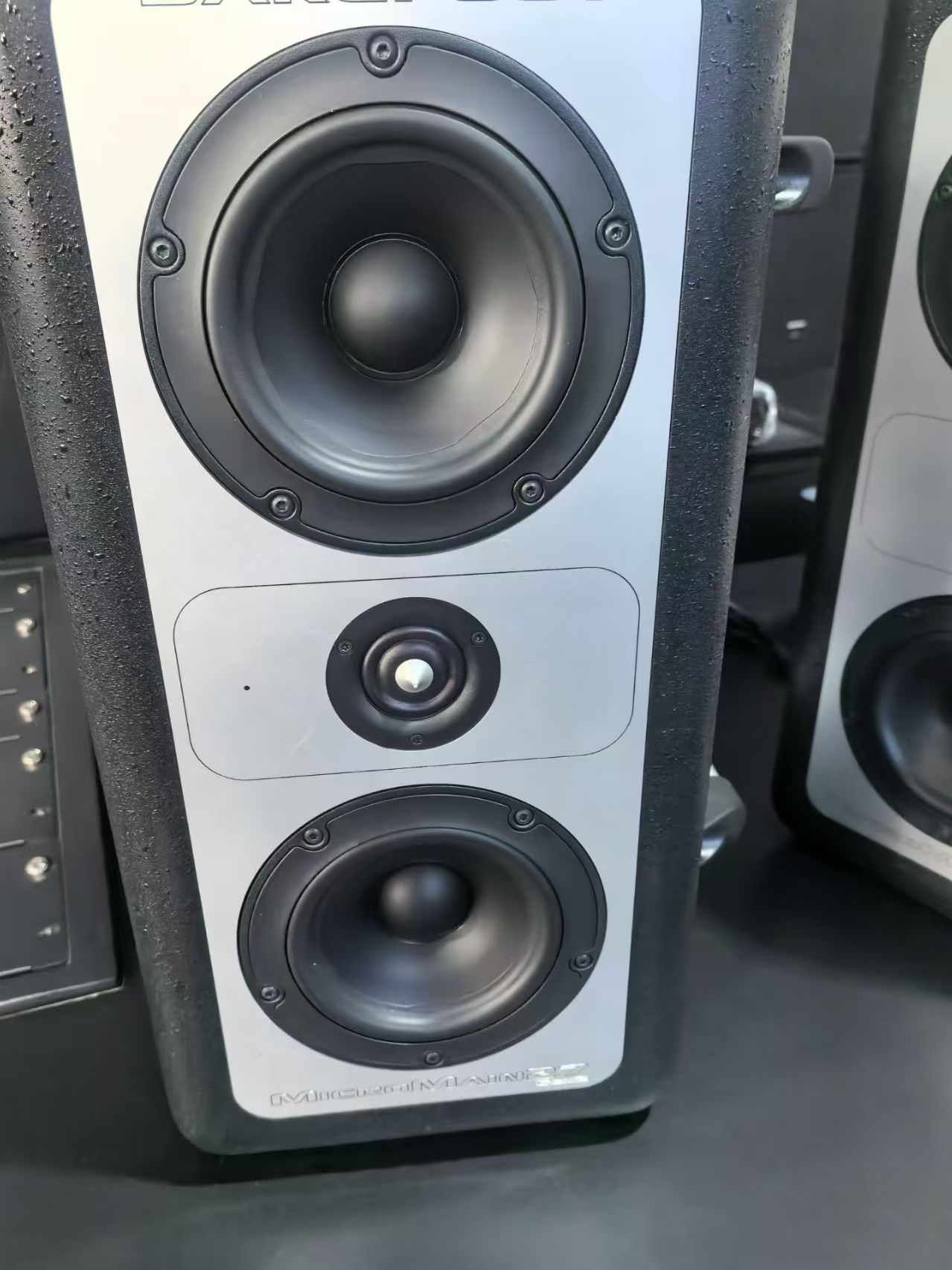
If you are building a system from scratch, consider the amplifier and DSP you already own. A used line array that requires a specific proprietary amp may be a poor fit. In that case, a simpler two-way full-range speaker or a subwoofer-satellite setup might be more practical. For KTV rooms, a dedicated KTV speaker is often a better choice than a line array, because the coverage pattern and voicing are designed for close listening.
How to Buy in Volume Without Getting Burned
Volume buyers need a repeatable process. First, define your minimum acceptable condition: working drivers, intact rigging, and no structural damage. Second, ask for a test video of every box, not just one from the batch. Third, negotiate based on what you see, not on the seller's description. If a box needs a new driver, factor that into your offer.
When buying from overseas, ask about the history of the gear. Was it used in a fixed install or on tour? Fixed installs often have less road wear but may have been exposed to smoke or humidity. Touring gear may have more cosmetic damage but better maintenance records. Neither is automatically better; it depends on your use case.
For large orders, request a third-party inspection if the value justifies it. This is common in the used equipment market and can save you from a costly mistake. If the seller refuses an inspection, that is a red flag.
Mixing Consoles and Subwoofers: The Rest of the System
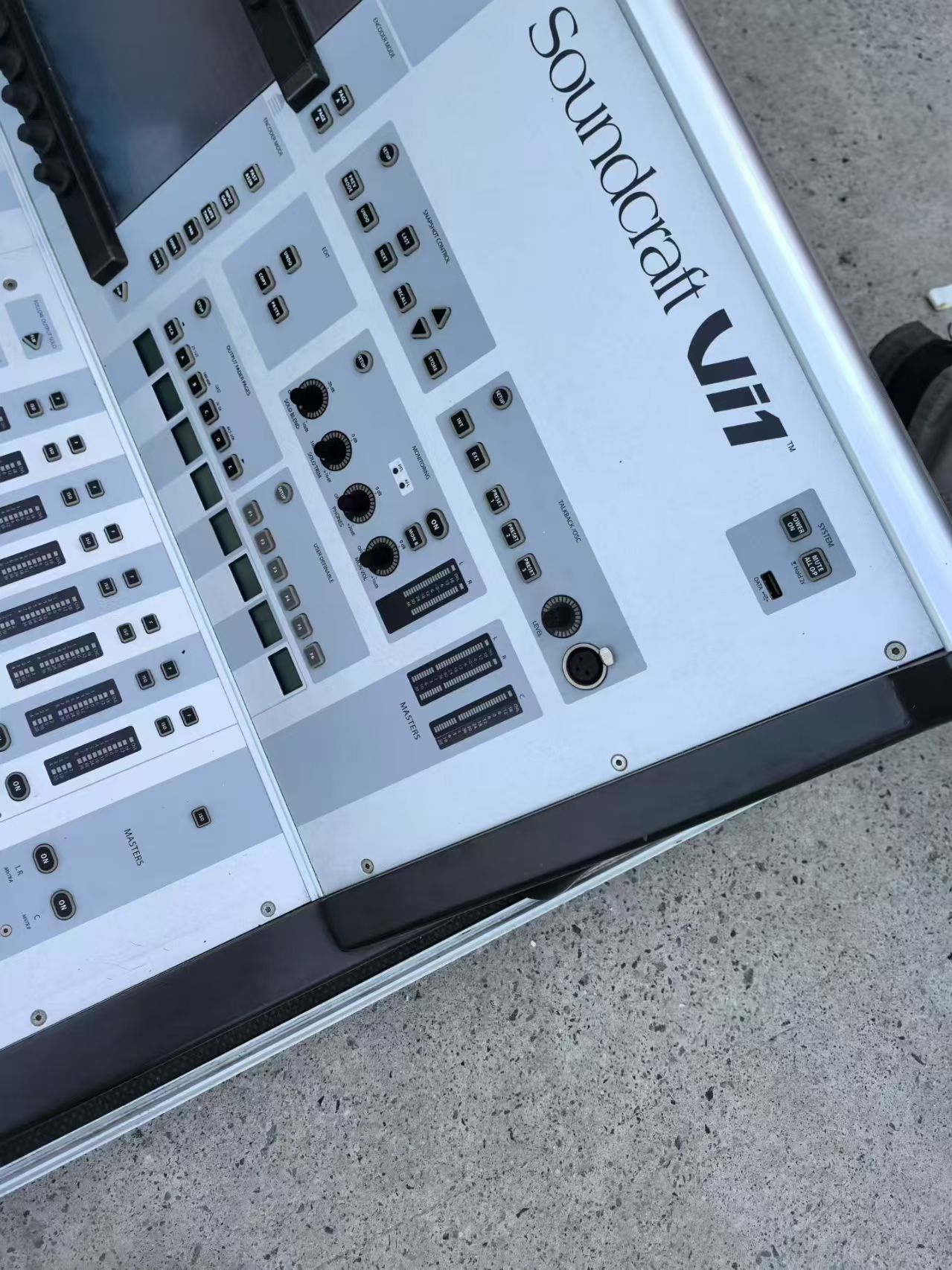
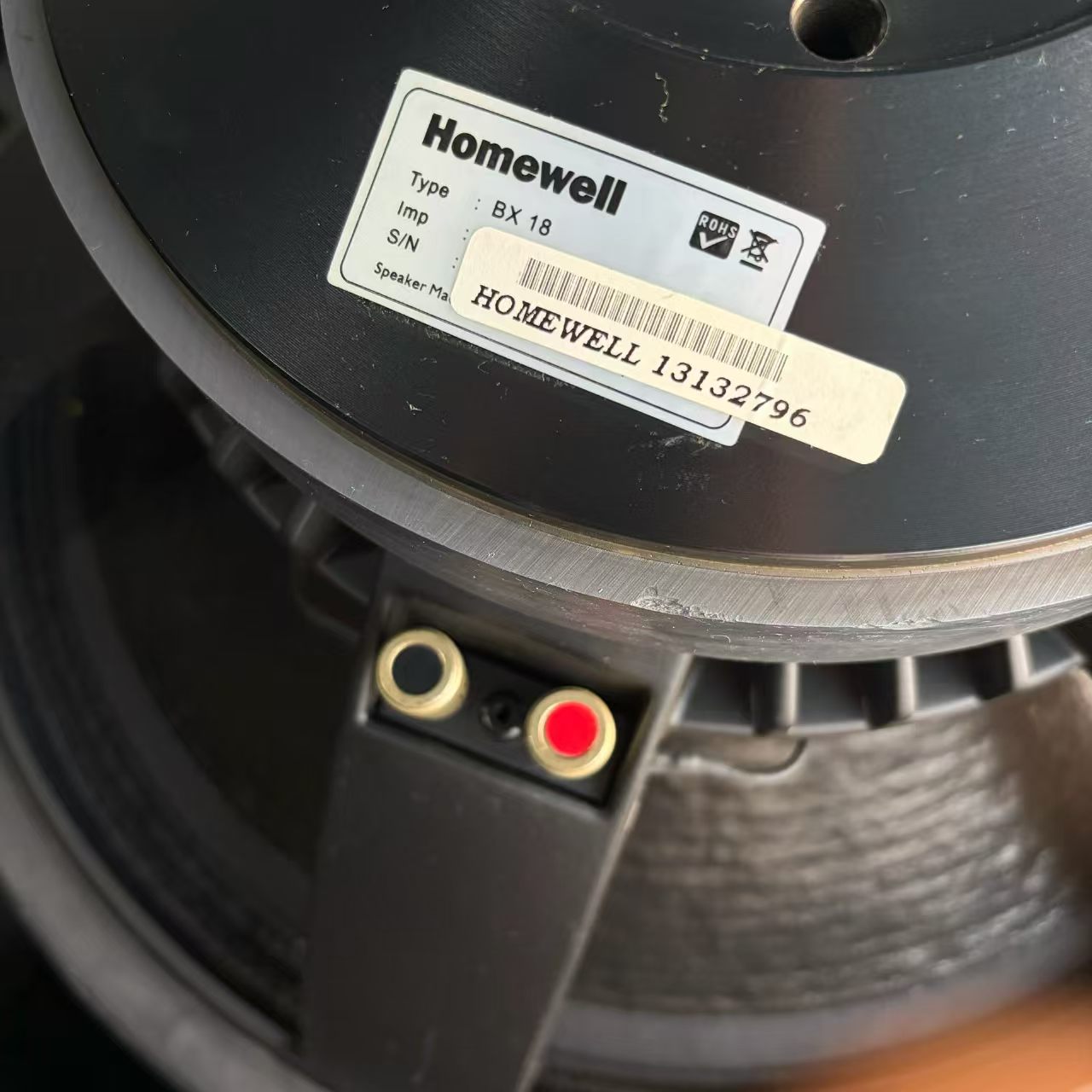
A line array is one part of a larger system. If you are buying a complete rig, you will also need a mixer and subwoofers. For mixers, the Soundcraft Vi1 and Allen & Heath SQ-6 are both common in touring and installs. They are digital consoles with different workflows, so choose based on your operators' familiarity. For subwoofers, look for boxes that match the line array's output and frequency response. A used 18-inch subwoofer is a common choice for concert and club systems.
If you are equipping a KTV venue, a full line array may be overkill. A well-chosen two-way full-range speaker or a dedicated KTV speaker will often perform better in small rooms. The key is to match the tool to the job, not to buy the biggest system you can find.
Frequently Asked Questions
What should I check first when buying used line array speakers? Start with the rigging and flyware. If the rigging is damaged or worn, the box may not be safe to fly. After that, check the drivers and cabinet for physical damage.
Can I mix different brands of line array boxes? Generally, no. Line arrays are designed to couple with identical boxes. Mixing brands or models will cause phase and coverage issues. If you need to expand, buy the same model.
How do I know if a used line array is a good deal? Compare the cost of the used boxes to the cost of new, then subtract the cost of any repairs or missing parts. If the seller cannot provide test videos or inspection, the risk is higher.
Do I need a specific amplifier for a used line array? Some line arrays require specific processing and amplification. Ask for the original presets and recommended amp specs. If those are not available, you may need to budget for a new DSP and amps.