If you’re shopping for used line array boxes, you’ve probably seen prices all over the map. A single box might be listed at a few hundred dollars from one seller and several thousand from another. The difference isn’t random. It comes down to what the box actually is, how it’s been treated, and what’s included. This guide breaks down the real variables that determine price per box, so you can make a smarter offer.
What “Price Per Box” Really Means
In line array transactions, “per box” usually refers to one loudspeaker cabinet, without rigging hardware, amplifier, or processing. Some sellers include fly bars, link bars, or covers; others don’t. Always confirm exactly what’s in the quote. A cheap box that needs new drivers, grille, and rigging can end up costing more than a complete, tested unit. For a detailed checklist of what to inspect, see our used line array inspection checklist.
Also clarify whether the price is per box or per module. A line array element is a single box, but some sellers use “module” to mean a box plus its rigging frame. If the rigging is missing, you’ll need to source it separately, which adds cost and complexity.
Key Factors That Drive Used Line Array Pricing
The biggest price driver is brand and model reputation. Premium touring-grade boxes from well-known manufacturers hold value because parts, service, and prediction software are widely available. Lesser-known brands sell for less because buyers worry about support and resale. That doesn’t mean they’re bad—just that the market discounts them.
Condition is next. A box that has been used in a fixed install and never flown will typically be in better shape than one from a touring rental fleet. Look for signs of road wear: scuffed corners, bent grilles, dented handles, and driver damage. If the seller can’t provide clear photos of the drivers and back panel, that’s a red flag.
Age matters, but not as much as condition. A ten-year-old box that’s been well maintained can outperform a five-year-old box that’s been abused. Ask for service history and whether the drivers are original or reconed. Original parts usually command a higher price, but reconed drivers from a reputable shop can be fine if done correctly.
Quantity also affects per-box price. Buying a full array (often 8, 12, or 16 boxes) usually gets you a better unit price than buying one or two. Sellers want to move complete systems. If you only need a few boxes, expect to pay a premium per box.
What to Expect at Different Price Points
At the low end, you’ll find older or entry-level boxes, often from lesser-known brands. These may need work: new foam, grille straightening, or driver replacement. They can be a good value if you have the technical skills and just need sound reinforcement for a bar or small club. But don’t expect rider acceptance for touring work.
Mid-range pricing gets you solid, mid-tier professional boxes from brands with decent support. These are often ex-rental or install stock, and they may come with rigging. This is the sweet spot for many KTVs, clubs, and regional touring companies. You’re paying for reliability and parts availability.
Top-tier pricing is for current or recent touring-grade models in excellent condition, often with full rigging and cases. These are bought by professional rental companies that need rider-friendly gear. If you’re not doing rider-driven work, you may not need to spend this much.
Remember: price per box is only part of the total cost. Add shipping, import duties, rigging, amplification, and processing. For a full breakdown of importing used gear, read our importing used audio equipment guide.
How to Evaluate a Deal
Start by defining your use case. A KTV room needs different boxes than a touring concert system. For KTV, you might not need a full line array at all—a high-quality point-source speaker could be more appropriate. Check our used KTV speaker buying guide for alternatives.
Next, get quotes from multiple sellers. Ask for the same information: model, age, condition, included accessories, and test results. A seller who provides detailed photos and test data is more trustworthy than one who just says “good condition.”
If possible, have a technician inspect the boxes before purchase. If that’s not feasible, ask for a video call where the seller powers up the boxes and plays test tones. This won’t catch every issue, but it’s better than nothing.
Finally, consider the total cost of ownership. A cheaper box that needs new drivers may not be a bargain. Factor in the cost of replacement parts and labor. Sometimes paying more upfront for a tested, ready-to-use box saves money and headaches.
Where to Find Used Line Array Boxes
Many buyers in Russia, the Middle East, South America, and Africa source used line arrays from China. The market is large, but quality varies. Work with suppliers who specialize in tested used equipment and can provide real condition reports. Panda Acoustics focuses on tested used professional audio and can help you find the right boxes for your budget. Browse our products or contact us with your requirements.
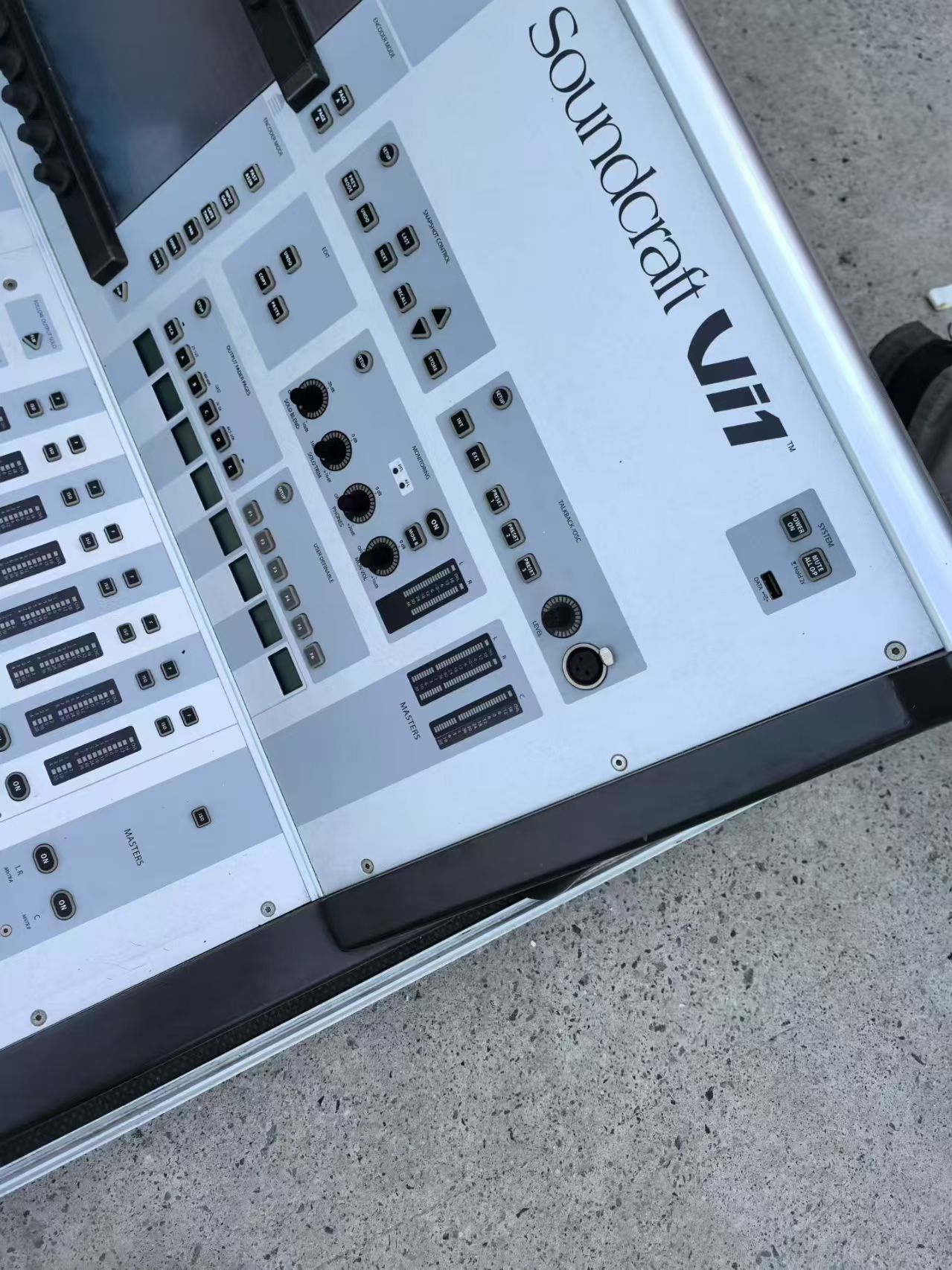
For related gear, you might also need a digital mixer. Our best used digital mixing consoles 2026 ranking covers options like the Allen & Heath SQ-6 and Soundcraft Vi1. And if you’re building a complete system, see our concert touring system and bar club sound system solutions.