If you run a KTV venue, a bar, or a sound rental company, you already know that karaoke speakers take a beating. They run long hours, get pushed hard, and often sit in smoky, humid rooms. When you buy used, you are not just buying a box—you are buying the remaining life in that box. This guide is for buyers who need volume and care about real condition, not sales talk.
Start with the cabinet, not the sound
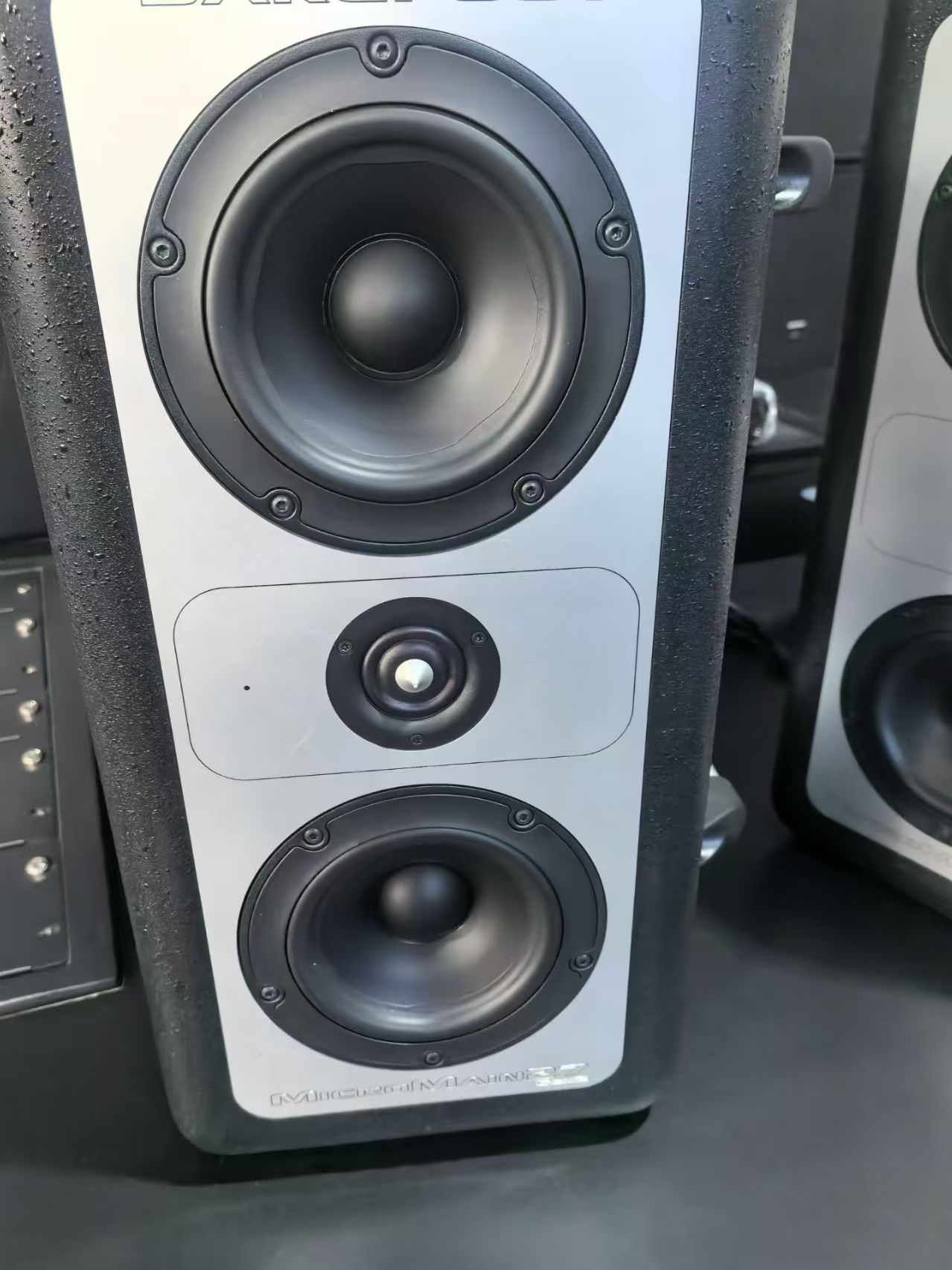
Before you power anything up, look at the cabinet. In KTV use, cabinets get knocked, stacked, and moved. Check for deep dents, cracked corners, or separation at the joints. A swollen or soft cabinet usually means moisture got in, which is common in coastal or humid climates. Press gently on the sides—if they flex more than they should, the box has lost rigidity.
Grilles matter too. A bent grille is cosmetic, but a missing grille means the cone has been exposed to fingers, drinks, and dust. Look at the screws and terminal cups. If the terminals are loose or corroded, the speaker has likely been in a wet or salty environment. That is a warning sign for the voice coil and crossover inside.
Inspect the drivers and surrounds
The woofer surround is the first thing to fail. Foam surrounds rot; rubber surrounds dry out and crack. Run your finger around the edge—if it leaves a black residue or you see small tears, the driver needs re-coning. That is not a dealbreaker if the price reflects it, but you need to factor it into your offer.
Push the cone gently and evenly. You should hear and feel smooth movement. A scratching sound means the voice coil is rubbing—walk away. Check the dust cap for pushes or cuts. In karaoke boxes, the tweeter and midrange drivers are often the first to go because they handle the vocal range. Bring a small flashlight and look into the horn or tweeter opening for debris or corrosion.
Test with real karaoke material, not just music
Do not test with a pre-recorded track and call it done. Karaoke demands more from the midrange and high frequencies because vocals sit there. Bring a microphone and a known vocal track. Listen for harshness, crackling, or dropouts at moderate volume. If the speaker sounds thin or muffled, the crossover or a driver may be failing.
Test at the volume you actually use. If you run a busy KTV room, the speakers will be pushed. Turn them up and listen for distortion. A speaker that sounds fine at low volume but breaks up when pushed is not a bargain—it is a future repair. Also check both speakers in a pair. If one sounds different, you have a mismatched set.
Match impedance and power correctly
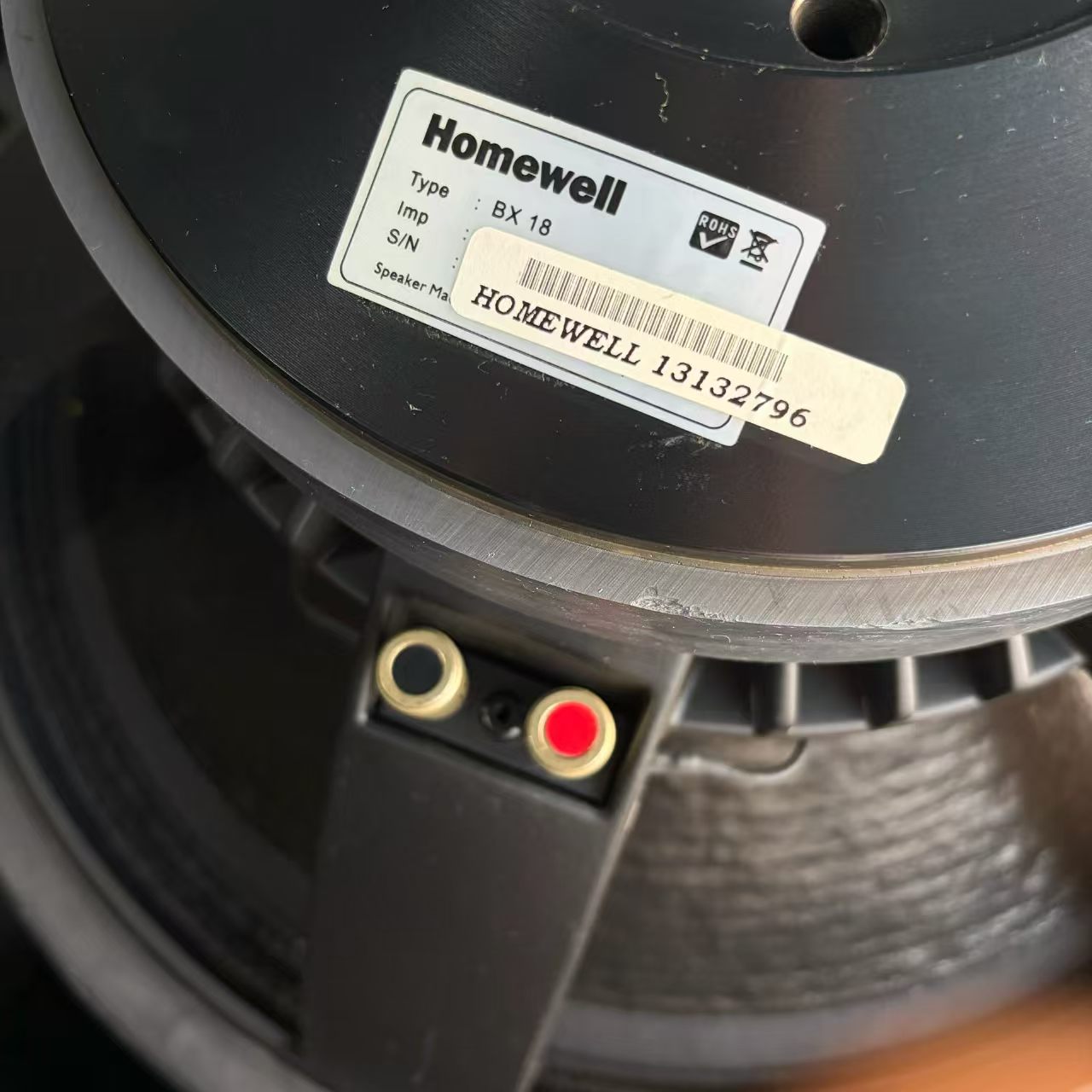
Karaoke speakers are often 8 ohms, but some are 4 ohms or 16 ohms. Check the label on the back. If you are buying multiple pairs, make sure they match what your amplifier can handle. A mismatch can kill your amp or leave you with low output. If the labels are missing, measure with a multimeter—the DC resistance will be slightly lower than the nominal impedance.
Power handling is another number to verify. Do not trust a sticker that says “1000W” if the driver looks like a 200W unit. Look up the model if you can. If you cannot verify, assume the lower number and plan your amplifier accordingly. Underpowering a speaker can be as damaging as overpowering it when the amp clips.
Buying in volume: what to ask
When you buy used karaoke speakers in bulk, ask for individual photos of each unit, not a group shot. Ask for a short video of each speaker playing a vocal track. If the seller will not provide that, treat it as a red flag. For KTV operators, matching pairs are important—mismatched speakers create uneven sound across rooms.
Ask about the history. Were they used in a KTV room, a bar, or a rental fleet? Rental speakers may have been moved more but maintained better. KTV speakers may have been run longer but stayed in one place. Neither is automatically better—you just need to know what you are buying.
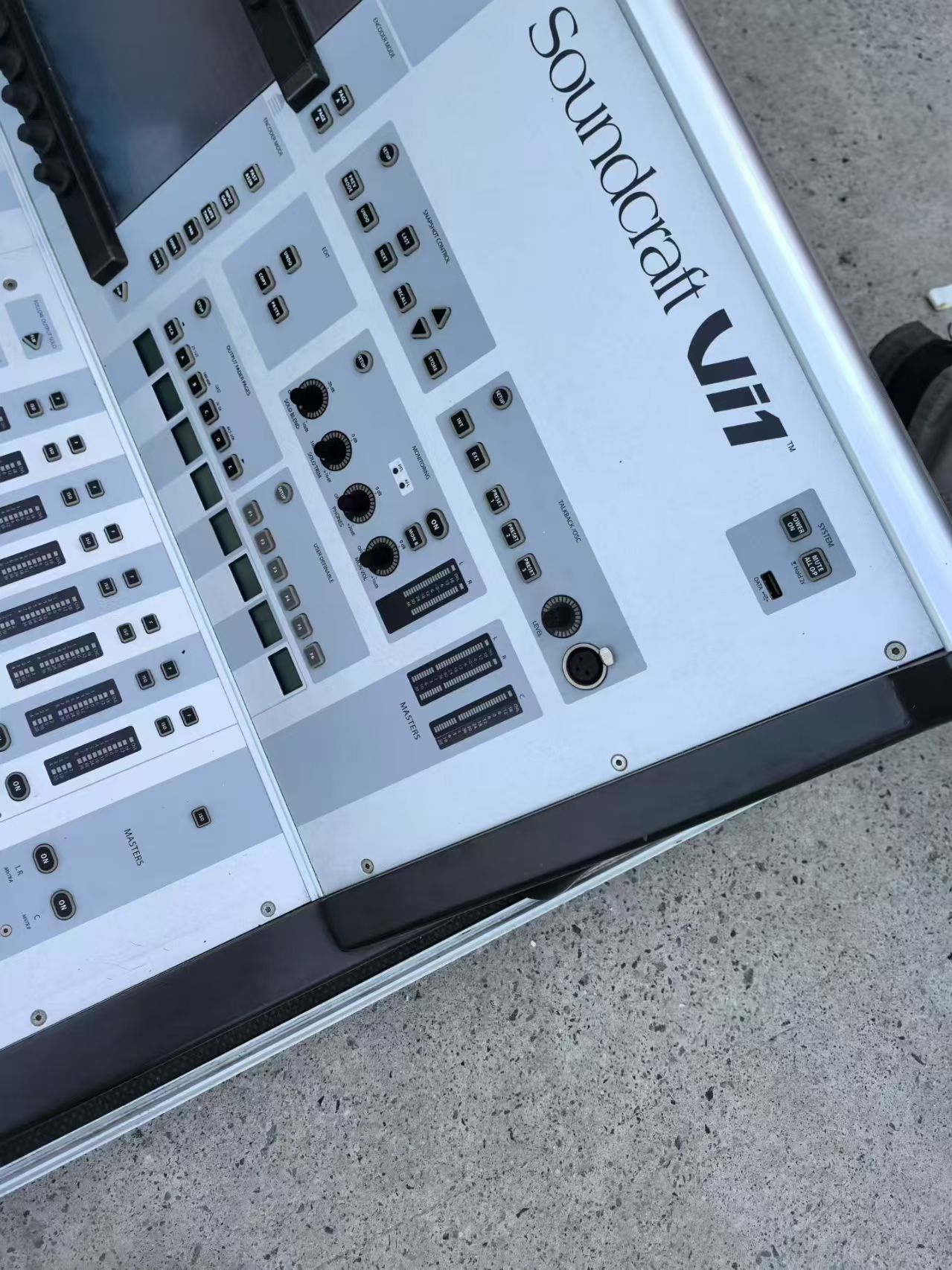
If you need a specific model, the Homewell BX18 is a common choice for KTV and club use. For a broader look at used KTV speakers, see our used KTV speakers for sale guide. If you are building a full system, our KTV sound system page covers the signal chain from mixer to speaker.
Shipping and import reality
Used speakers are heavy. Shipping costs can rival the purchase price if you are buying from overseas. Ask for dimensions and weight per box, and get a quote before you commit. If you are importing, check your country’s rules for used electronics. Some countries require inspection or have restrictions. Our importing used audio equipment guide walks through the basics.
Packing matters. Speakers shipped without proper foam or bracing often arrive with shifted magnets or cracked cabinets. Ask how they will be packed. If the seller cannot describe it, assume the worst and budget for repairs.
The bottom line
Used karaoke speakers can be a solid value if you inspect them properly. Focus on the cabinet, the drivers, and how they sound with a microphone—not just music. Buy from sellers who provide real photos and video, and who answer questions about history and condition. If you are buying in volume, ask for consistent pairs and factor in shipping and potential repairs. For more on buying used PA speakers in bulk, see our wholesale guide.