If you are shopping for a used digital mixing console, you already know the appeal: professional features at a fraction of new cost. But buying used gear across borders comes with risks. This guide covers what to inspect, what to ask, and how to avoid common pitfalls when purchasing used digital mixers for KTV, touring, bars, or clubs.
Start with the model and its reputation
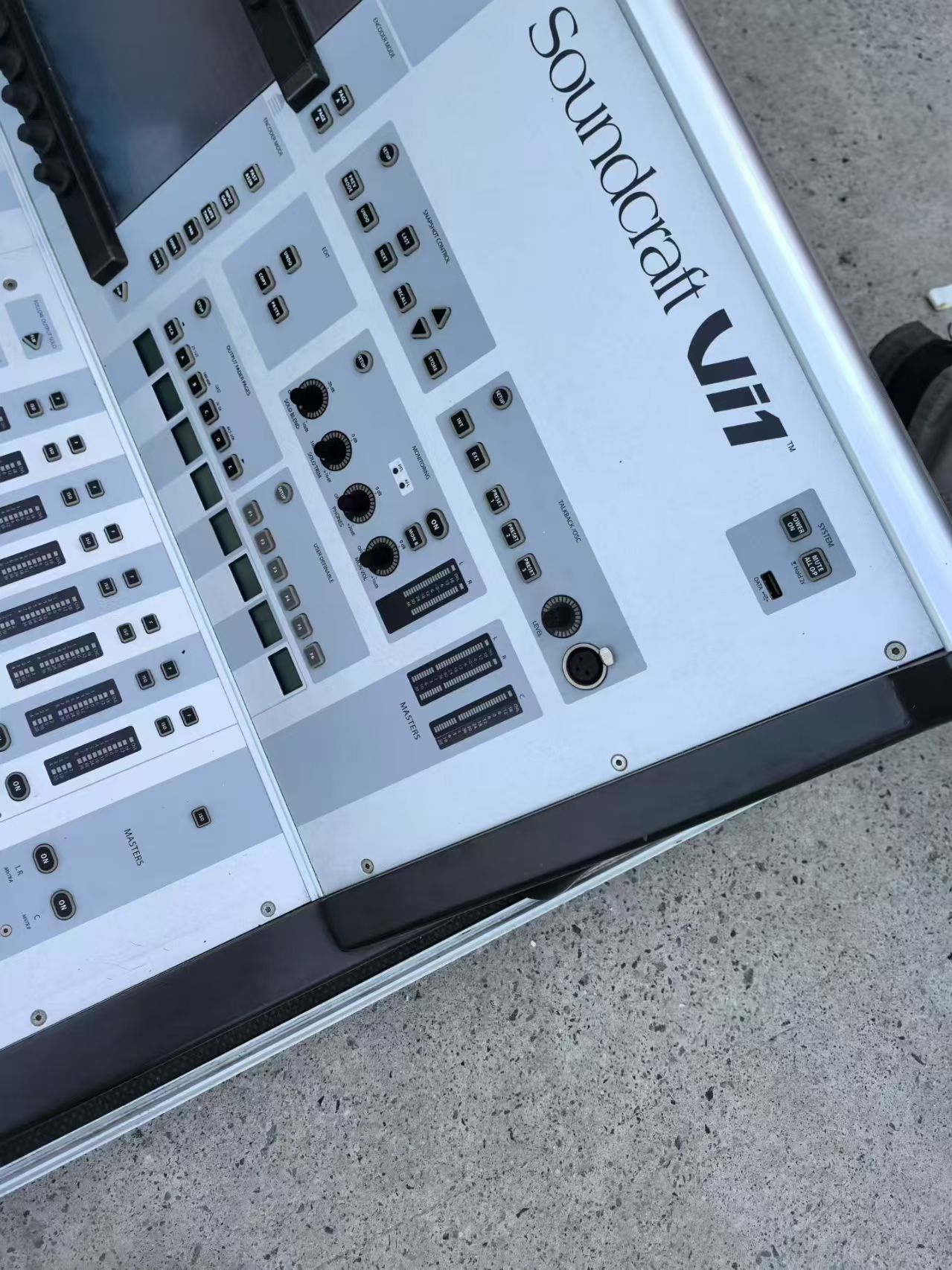
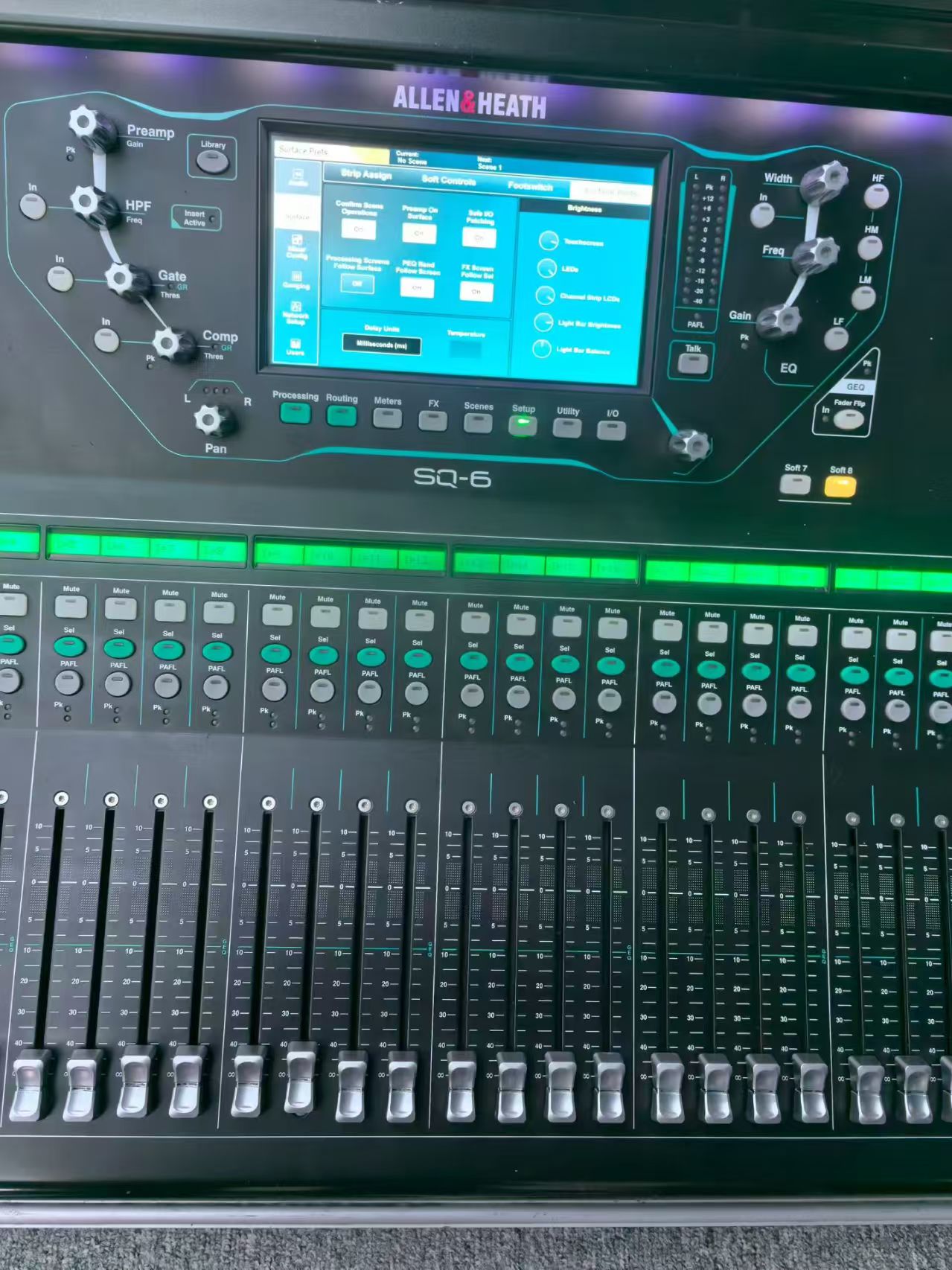
Not all digital consoles age the same way. Some are workhorses with long production runs and strong parts availability; others are discontinued with limited support. Two models that frequently appear on the secondary market and hold up well are the Allen & Heath SQ-6 and the Soundcraft Vi1. Both are widely used in live sound and installs, and both have communities of users who share knowledge. Before you commit, research the specific model: check forums, ask other operators, and look for known failure points. A console with a good track record is a safer bet than an obscure model, even if the price is lower.
What to check on a used digital console
Digital consoles have more complex electronics than analog desks, so inspection matters. Ask for clear photos of the following: all faders (motorized faders can wear out), the screen (dead pixels or touch issues), all input and output connectors, and the power supply section. If possible, request a video of the console powering up and passing audio on multiple channels. For motorized faders, have the seller run a fader test to confirm smooth movement. Check that all buttons and encoders respond consistently. Any console with a damaged screen or non-functional faders should be priced accordingly, but repairs can be costly and parts may be hard to find.
Software and firmware are also important. Ask which firmware version is installed and whether it is the latest available. Some manufacturers provide firmware updates online, but older models may no longer be supported. If the console requires a specific software editor, make sure it is still available and compatible with your computer. Also confirm that any necessary licenses or dongles are included, as replacing them can be difficult.
Questions to ask the seller
Before you wire money, get answers to these questions in writing:
1. What is the history of the console? Was it used in a fixed install, a touring rig, or a rental fleet? Touring consoles may have more wear, while installs can be better preserved but may have been left powered on for long periods.
2. Has it ever been serviced or repaired? If so, what was done and by whom? Professional repairs are fine, but undocumented repairs can be a red flag.
3. Are there any known issues? Honest sellers will disclose problems like noisy faders, intermittent outputs, or a dim screen.
4. What is included? Original packaging, power cable, manual, and any accessories add value and make shipping safer.
5. Can you provide a video call to demonstrate the console working? This is the next best thing to being there in person.
Shipping and import considerations
Used digital consoles are heavy and sensitive to shock. Proper packing is critical. Ask the seller how they will pack it: original foam inserts are ideal, but if not available, double-boxing with plenty of padding is acceptable. For international shipments, confirm the voltage and plug type. Most pro consoles support multiple voltages, but you should verify. Also consider import duties and taxes in your country; these can add significantly to the final cost. If you are buying from a supplier like Panda Acoustics, ask about their experience shipping to your region and what documentation they provide.
Alternatives and related gear
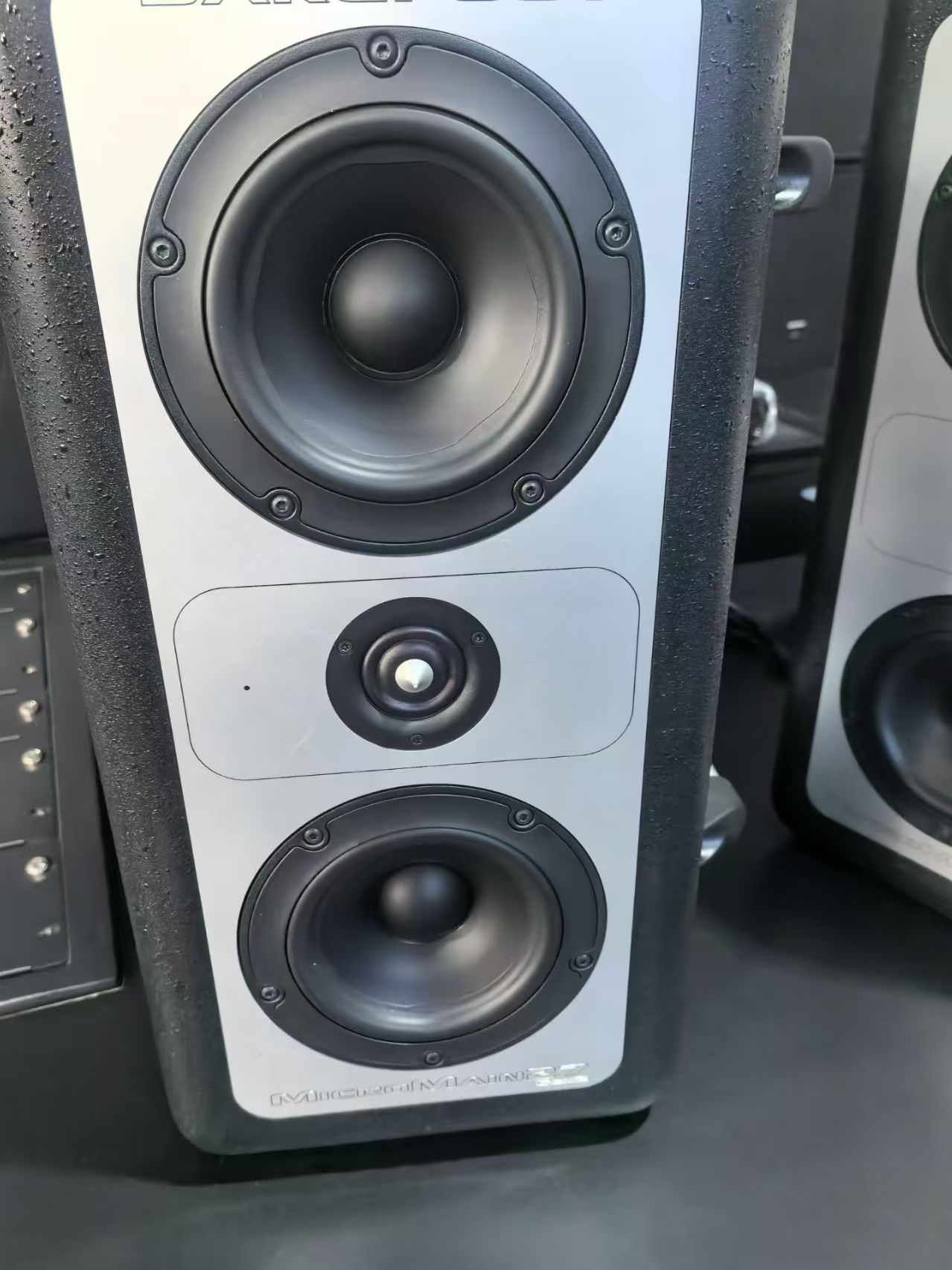
If you are building a full system, you may also need speakers and amplifiers. Used PA speakers and subwoofers are widely available, and buying them together with a console can sometimes simplify logistics. For KTV rooms, compact mixers like the Allen & Heath SQ-6 are often sufficient, while larger touring rigs might benefit from a Soundcraft Vi1. If you are unsure which console fits your application, review our comparison of the SQ-6 and Vi1. For a broader market overview, see our ranking of used digital mixing consoles.
Final checklist before you buy
Use this checklist to make a confident purchase:
- Confirm the model meets your channel count and feature needs.
- Request detailed photos and a working video.
- Ask about history, service, and included accessories.
- Verify voltage and plug type for your region.
- Clarify shipping method and insurance.
- Check import duties and taxes.
- Ensure firmware and software are available.
- Agree on a return policy or warranty, if any.
Buying used can save you money, but only if you do your homework. A little diligence upfront can prevent costly surprises later.