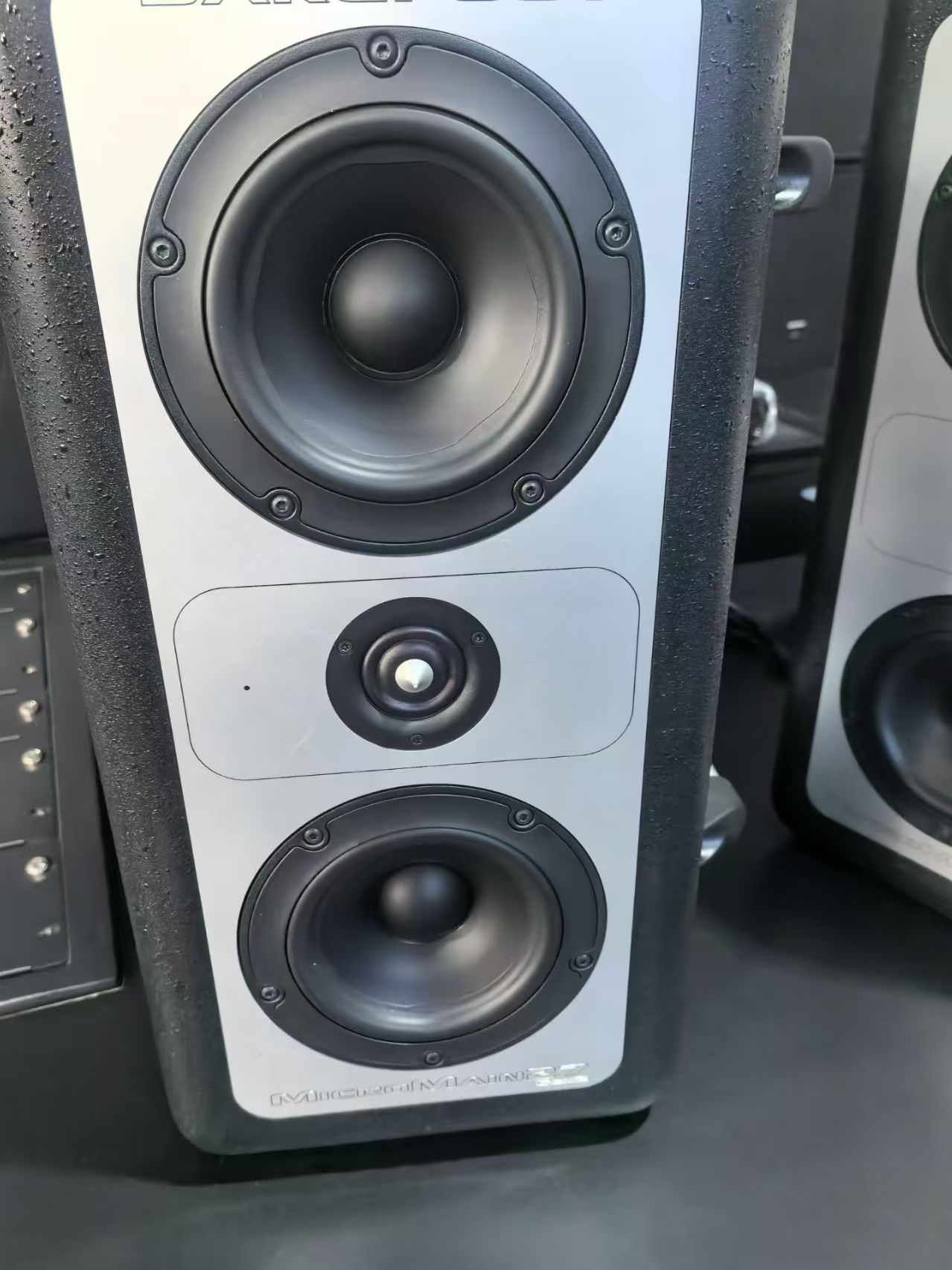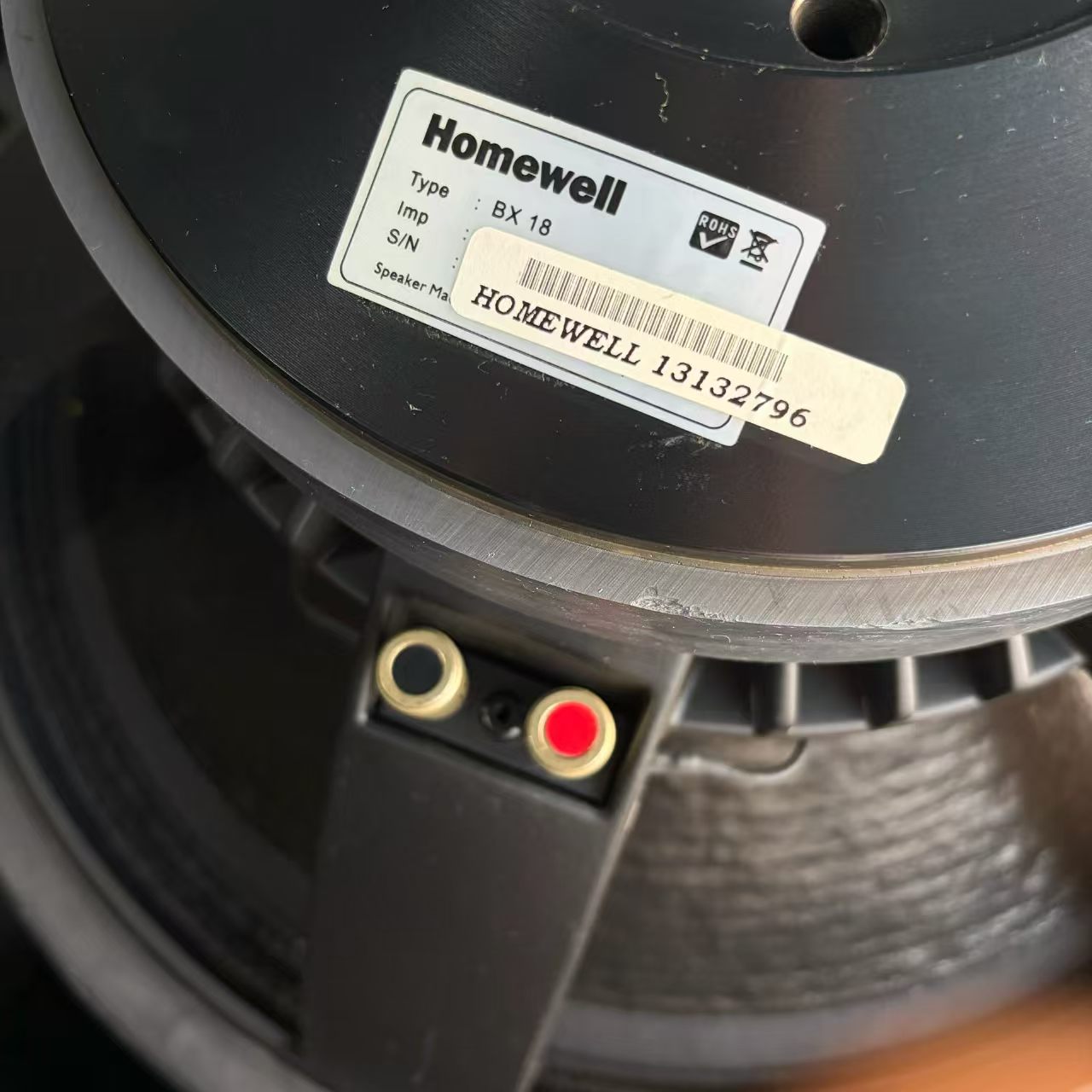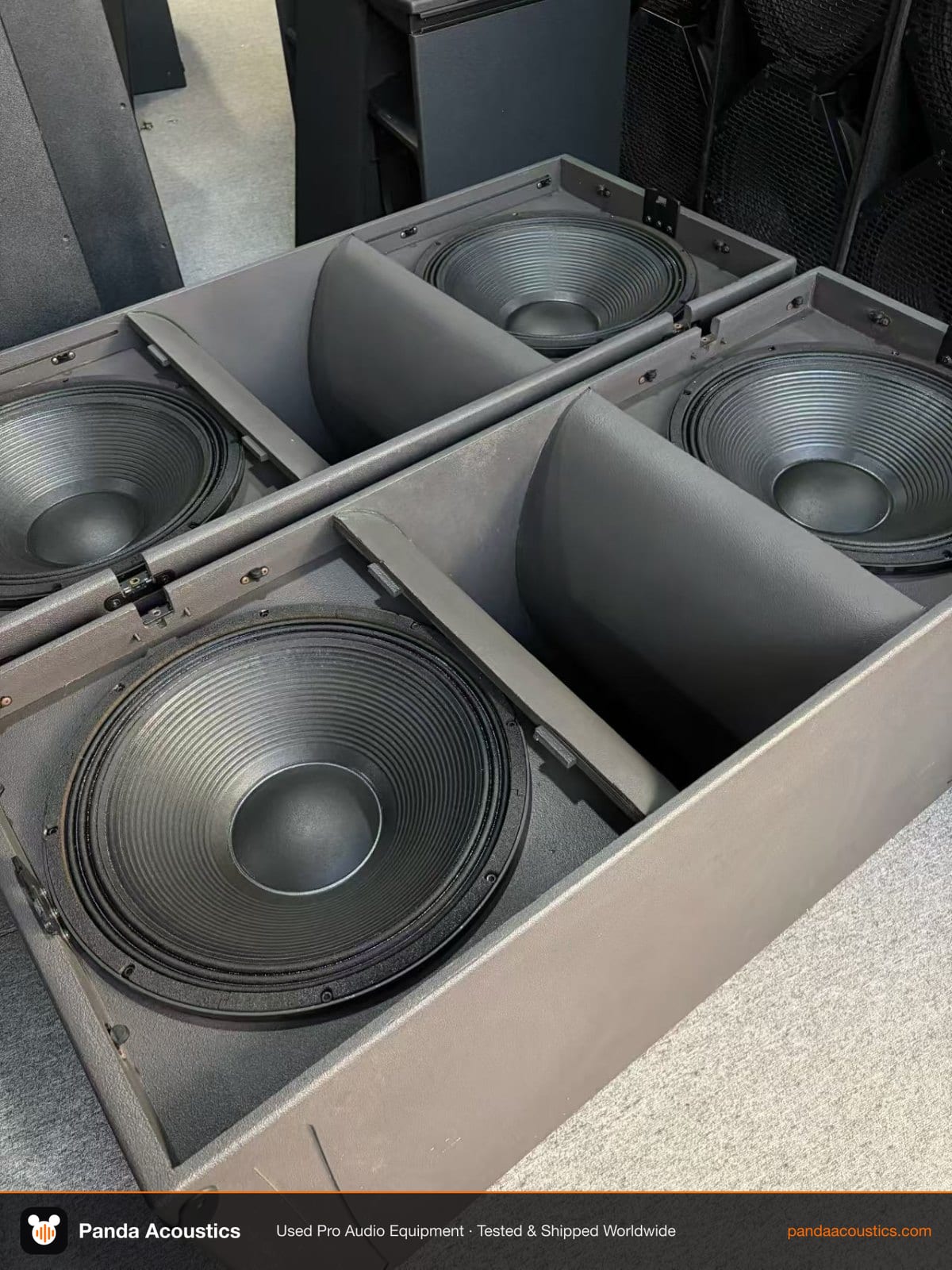
When you are buying used subwoofers in volume for a KTV, bar, or touring rig, you cannot afford to guess. A subwoofer that looks fine in photos can have a blown voice coil, a warped cone, or a cracked magnet. This guide gives you a step-by-step process to check a subwoofer before you commit your money.
1. Physical Inspection: The First Pass
Start with a thorough visual inspection. Ask the seller for high-resolution photos of the front, back, sides, and any labels or serial numbers. Look for:
- Cone and surround: The cone should be intact, with no tears, punctures, or deep creases. The surround (the ring that connects the cone to the frame) should be flexible, not cracked or brittle. Foam surrounds deteriorate over time, especially in humid climates.
- Spider and voice coil: If you can see the spider (the corrugated fabric under the cone), check for sagging, tears, or separation from the frame. A sagging spider often means the subwoofer has been driven hard or stored improperly.
- Frame and magnet: The basket should not be bent or cracked. The magnet should be firmly attached; any wobble indicates a broken glue joint. Rust on the frame or magnet is common in used gear but excessive rust can weaken the structure.
- Terminals: Check for corrosion or looseness. Push the terminals gently; they should not move. If they are spring-loaded, make sure they snap back.
- Cabinet: For subwoofers in a cabinet, inspect for cracks, water damage, or swollen particle board. Check that all screws and bolts are present and tight. A rattling cabinet will ruin performance.
If any of these issues are present, ask for a discount or walk away. For a deeper checklist, see our used line array inspection checklist.
2. Testing with a Multimeter: Electrical Checks
A multimeter is your best friend for testing a subwoofer without playing it. Set it to measure resistance (ohms).
- DC resistance: Disconnect the subwoofer from any amplifier. Measure across the terminals. You should read a value slightly lower than the nominal impedance. For example, an 8-ohm subwoofer typically reads around 6 to 7 ohms. If you read 0 ohms, there is a short. If you read infinite resistance, the voice coil is open (blown).
- Voice coil rub: Gently push the cone inward with your fingers (if accessible) and listen for a scraping sound. A scraping noise means the voice coil is rubbing against the magnet, which will only get worse. Do not force it.
- Insulation test: Set the multimeter to its highest resistance range. Measure between the voice coil terminals and the frame (or magnet). You should read infinite resistance. Any reading indicates a short to the frame, which can damage your amplifier.
If you cannot access the cone, you can still do the resistance test. But for a complete assessment, you need to hear it.
3. Listening Test: The Real Proof
If possible, test the subwoofer in person. Bring a known-good amplifier and a test tone generator or a music track with deep bass. Start at low volume and gradually increase.
- Listen for distortion: Play a sine sweep from 100 Hz down to 30 Hz. The subwoofer should reproduce the tone cleanly. Any buzzing, rattling, or popping indicates a problem.
- Check excursion: At moderate volume, the cone should move in and out smoothly. If it moves erratically or makes a scratching noise, stop immediately.
- Feel for air leaks: Run your hand around the cabinet seams and the driver mounting flange. Air leaks cause chuffing and reduce output.
- Compare to a known reference: If you have a similar subwoofer, play the same track and compare output and clarity. A used subwoofer should perform close to its original spec, though some wear is normal.
For a more detailed testing procedure, refer to our guide on how to test a used subwoofer before buying.
4. Common Issues and What They Mean
Here are the most frequent problems and their implications:
- Blown voice coil: The subwoofer is dead. Repair may cost more than replacement. Avoid unless you can re-cone it yourself.
- Rotted surround: Common in older subwoofers. Refoam kits are available, but labor adds up. Factor that into your offer.
- Cracked magnet: Usually from a drop. The subwoofer may still work, but the gap can shift and cause rubbing. Not worth the risk for professional use.
- Water damage: Rusted frame, swollen cabinet, or corroded terminals. Even if it works now, it will fail soon. Pass.
- Worn spider: Causes the cone to sag and the voice coil to misalign. Re-coning is required.
Remember, professional subwoofers like the L-Acoustics KS28 are built to last, but they are not indestructible. A thorough check protects your investment.
5. When You Cannot Test in Person
Many B2B buyers purchase from overseas suppliers. If you cannot test the subwoofer yourself, ask the seller for:
- A video of the subwoofer playing a test tone at moderate volume.
- A multimeter reading of the DC resistance.
- Clear photos of the cone, spider, and terminals.
- A written statement of condition, including any known issues.
Reputable suppliers will provide these without hesitation. If they refuse, consider it a red flag. At Panda Acoustics, we test every used subwoofer and provide detailed condition reports. We also offer a step-by-step testing guide for buyers who want to verify themselves.
For volume purchases, request a sample unit first. Test it thoroughly, then decide on the bulk order. This is standard practice in the used audio market.
6. Final Checklist Before You Buy
Before you finalize any purchase, run through this checklist:
- [ ] Physical inspection passed (cone, surround, spider, frame, magnet, terminals, cabinet).
- [ ] DC resistance within expected range.
- [ ] No voice coil rub or scraping.
- [ ] Infinite resistance between voice coil and frame.
- [ ] Listening test clean at moderate to high volume.
- [ ] No air leaks or rattles.
- [ ] Seller provided honest condition report.
If you are buying multiple subwoofers, test each one individually. Do not assume they are all in the same condition.
For more guidance on buying used subwoofers in bulk, see our used PA subwoofer buying guide and buy used subwoofer pair guide.