If you are searching for used Pioneer CDJ-2000 Nexus players, you are likely outfitting a KTV room, a club install, or a touring rig where riders still call for this model. The CDJ-2000 Nexus is a workhorse, but the used market is full of units that have been ridden hard in nightclubs. This guide is written for buyers in Russia, the Middle East, South America, and Africa who purchase in volume and need to know what they are actually getting before money changes hands.
We are Panda Acoustics, a China-based supplier of tested used professional audio equipment. We do not sell new CDJs, and we do not claim to be the cheapest. What we do is inspect, test, and document the condition of every unit so you can make a decision based on facts, not photoshop.
What to Check on a Used CDJ-2000 Nexus
The CDJ-2000 Nexus has been out of production for years, so every unit on the market is used. The question is how used. Start with the mechanical parts: the jog wheel, the cue and play buttons, and the tempo fader. On a club unit, the jog wheel tension can loosen, and the touch strip can lose sensitivity. Ask for a video showing the jog wheel spinning freely and the touch strip responding across its full length. If the seller cannot provide that, walk away.
Next, check the display. The CDJ-2000 Nexus uses a color LCD that can develop dead pixels or backlight dimming. A short video of the unit booting up and navigating a USB drive will reveal most display issues. Also check the USB and SD card slots. These are the most common failure points because they are exposed to dust and repeated insertion. A unit that does not read a USB stick reliably is a doorstop.
Finally, check the firmware version and the network port. The CDJ-2000 Nexus supports Pro DJ Link, and you will want to link multiple players for a KTV or club setup. Ask the seller to show two units linked and playing from one USB source. If they cannot demonstrate that, assume the network port or firmware is problematic.
Questions to Ask Before You Buy in Bulk
When you are buying five, ten, or twenty units, you cannot inspect each one personally. You need a supplier who will do it for you. Ask these questions: Are the units tested with a USB drive and headphones? Do they come with the original power cable and RCA cables? Are the fader and knob caps intact? Have any units been opened for repair, and if so, what was replaced?
A serious supplier will have a standard inspection checklist. At Panda Acoustics, we test every CDJ-2000 Nexus for power-on, USB playback, jog wheel response, touch strip, tempo fader, cue/play buttons, and Pro DJ Link networking. We do not guarantee that a used unit will look new, but we do guarantee that it will function as described. If you want to understand how we approach used gear in general, our used Pioneer CDJ buying guide covers the broader process.
Matching CDJs with a Mixer and PA
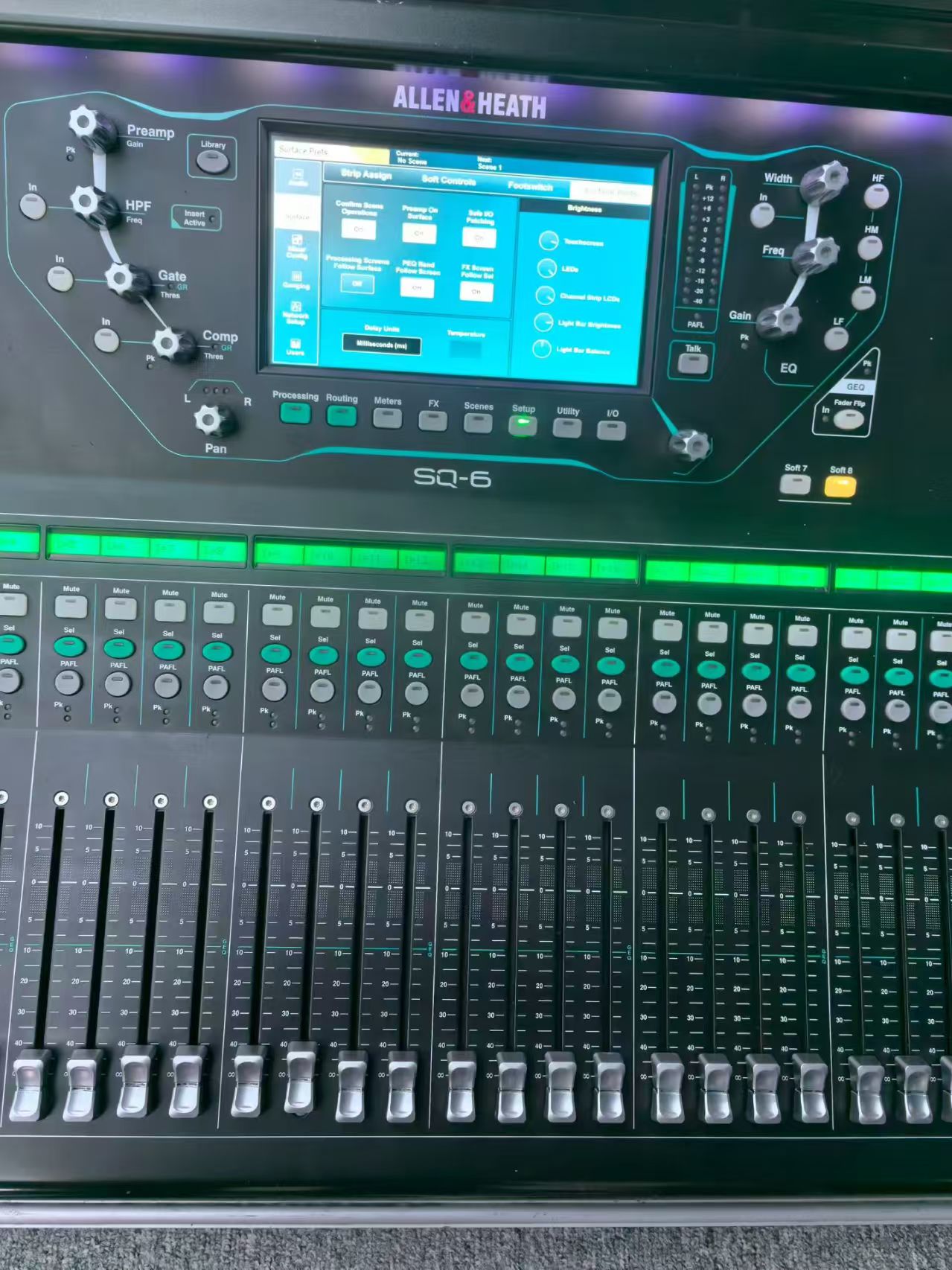
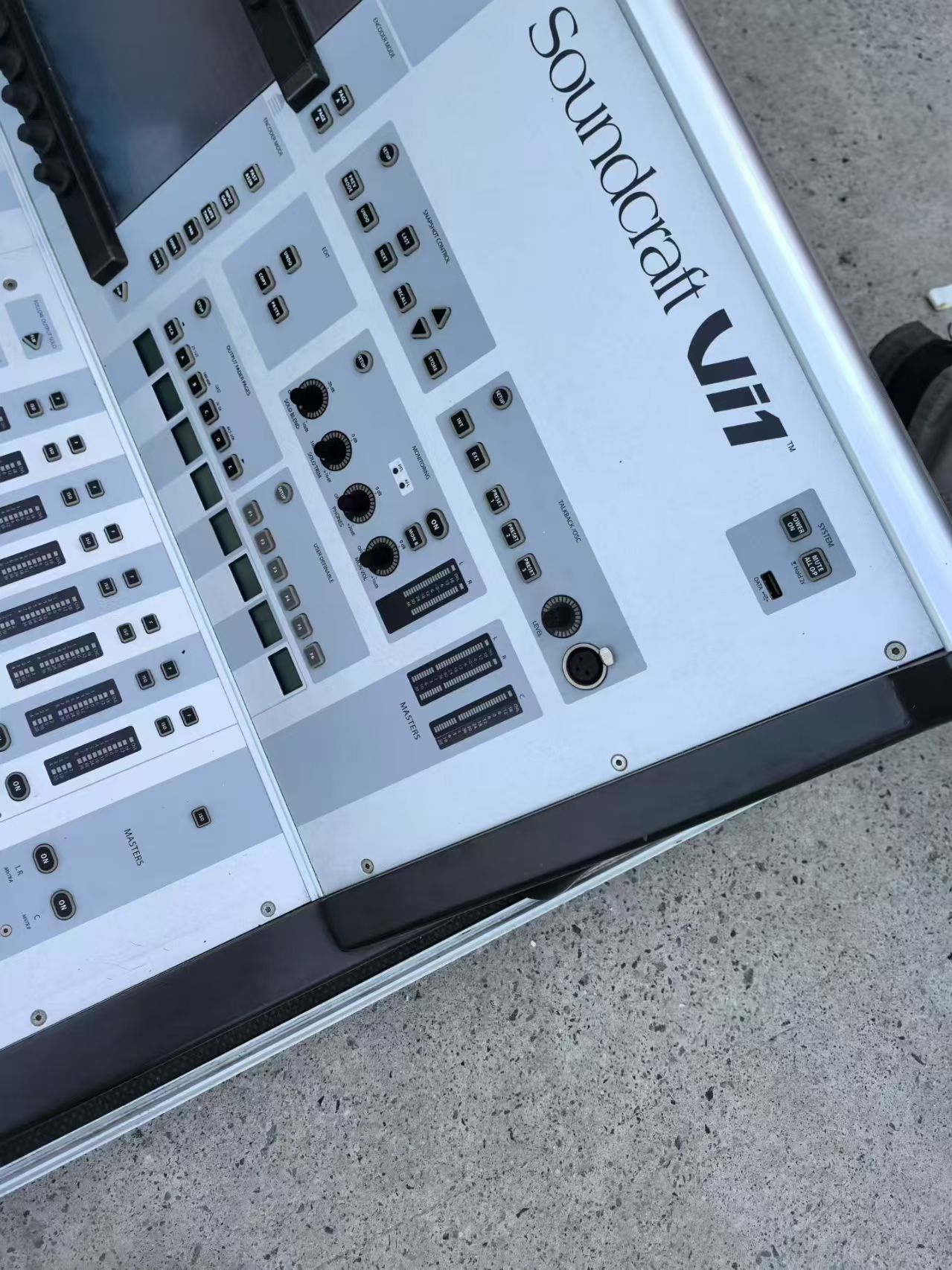
A CDJ is only one part of the signal chain. If you are building a KTV or club system, you will need a mixer and a PA. For a digital mixer that pairs well with CDJs, consider the Allen & Heath SQ-6 or the Soundcraft Vi1. Both are available in tested used condition and offer enough channels for multiple CDJs, microphones, and playback sources.
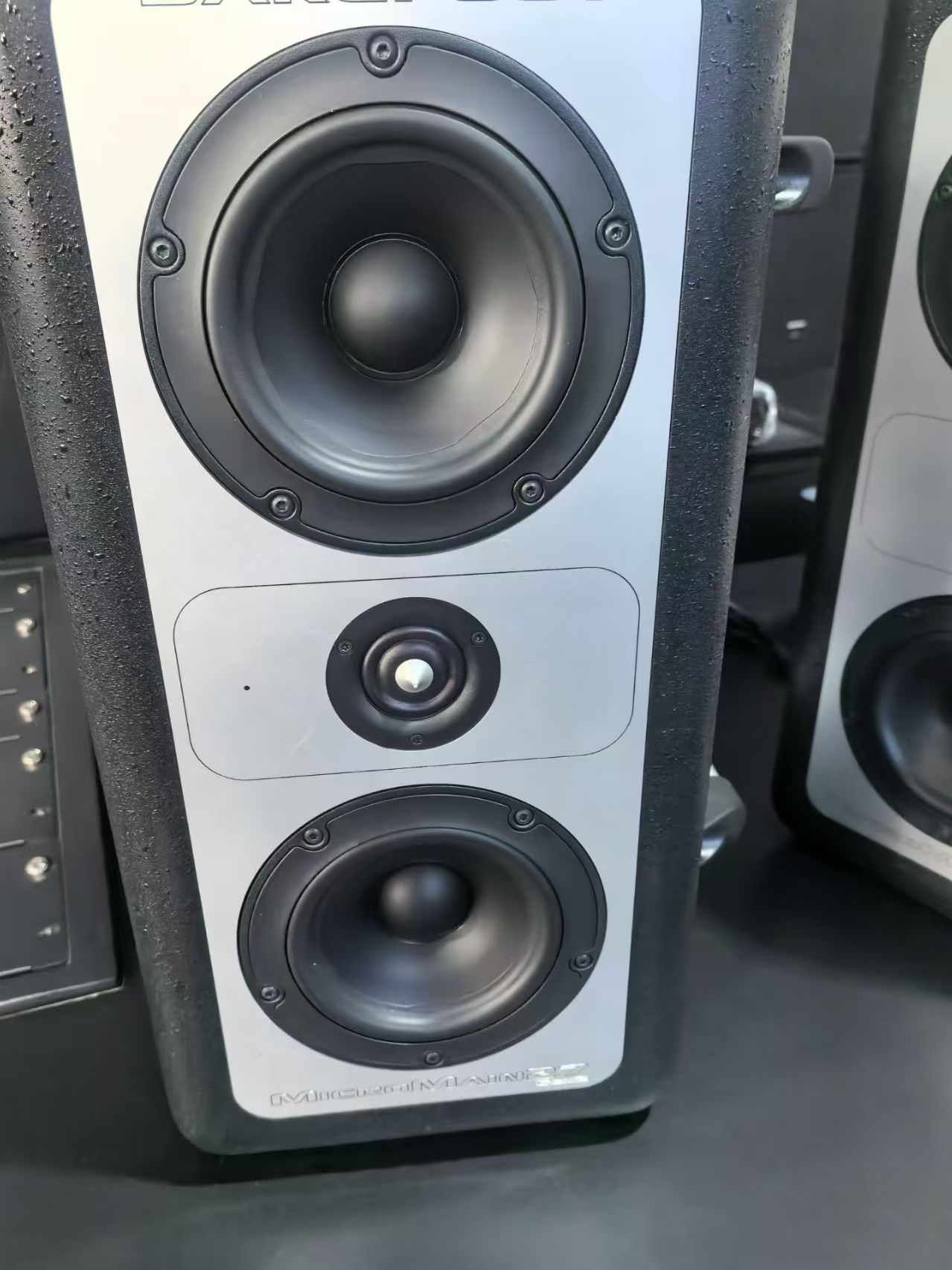
For the PA, the choice depends on the room. A KTV room might use a two-way full-range PA speaker or a Homewell BX18 loudspeaker unit. For larger clubs or touring, you may need subwoofers like the L-Acoustics KS28. We stock these and other used pro audio gear, all tested before shipping.
If you are not sure what mixer or speakers fit your venue, our KTV sound system solutions and bar and club sound system solutions pages outline typical configurations. You can also read our guide to used digital mixing consoles for more detail on mixer selection.
Shipping and Importing Used CDJs
Buying from China means dealing with shipping and customs. The CDJ-2000 Nexus is a relatively compact unit, so shipping cost is manageable, but you should still plan for import duties and taxes in your country. Ask your supplier to provide a commercial invoice that accurately describes the goods and their condition. Under-declaring value to save on duties can cause delays or seizures, and it is not worth the risk.
Packaging matters. A CDJ has a large jog wheel and a color display, both vulnerable to impact. A supplier who knows what they are doing will use double-boxing with foam padding around the jog wheel and display. Ask for photos of the packing process before shipment. If the seller refuses, that is a red flag.
For more on importing used audio equipment, see our importing used audio equipment guide.
Alternatives and Related Models
The CDJ-2000 Nexus is not the only used Pioneer option. The CDJ-350 is smaller and cheaper, often used in bars and small KTV rooms. If you are considering that model, read our used Pioneer CDJ-350 buying guide. If you need a media player with a different feature set, the CDJ-2000 Nexus is still one of the most rider-friendly choices, which is why it holds value on the used market.
When you buy used, you are not just buying a product; you are buying the supplier's inspection process. That process is what separates a working unit from a future repair bill. If you have questions about a specific lot of CDJ-2000 Nexus players, contact us and we will tell you exactly what we have, what condition it is in, and what we can do for your order.