If you are searching for used Pioneer CDJ-350 for sale, you are likely a KTV operator, bar owner, or sound company looking to equip multiple rooms or rental inventory without paying new prices. The CDJ-350 is an older model, discontinued by Pioneer, but still common in smaller venues because it is compact, reliable, and plays from USB and CD. This guide is for buyers who care about actual condition, not sales talk.
Why the CDJ-350 Still Makes Sense for Volume Buyers
The CDJ-350 was never a club standard, but it does one job well: it plays digital files and CDs without fuss. For KTV rooms, small bars, and mobile DJs, that is often enough. It has a built-in sound card, USB playback, and basic looping. Because it is older, prices on the used market are lower than newer models. If you are buying ten or twenty units, the savings add up quickly.
However, age matters. Many CDJ-350s have been in constant use for years. The main failure points are the CD mechanism, the USB port, and the cue/play buttons. You need to know what you are buying before you commit.
What to Check Before You Buy Used CDJ-350s
When buying used, always ask for a video of the actual unit working. A photo proves nothing. The video should show the unit powering on, reading a USB stick, playing a track, and using the cue and play buttons. If the seller cannot provide that, walk away.
Key checks:
CD mechanism: Load a CD and listen for grinding or skipping. The tray should open and close smoothly. If the seller no longer has CDs, that is a red flag because it means they cannot test it either.
USB port: Insert a USB drive with FAT32 format. The player should recognise it quickly. Wiggle the drive gently to check for a loose connection.
Buttons and knobs: Press every button. The cue and play buttons are used most and often wear out. The jog wheel should spin freely without wobble.
Display: Look for dead pixels or fading. The screen should be bright and clear.
Outputs: Test the RCA outputs. If possible, connect to a mixer and check both left and right channels.
If you are buying a large batch, ask the seller to test each unit and mark any with issues. A honest seller will do this. If they refuse, consider another supplier.
Common Problems and What They Mean for Your Budget
CDJ-350s are generally repairable, but some faults are more expensive than others. A dirty or misaligned CD lens can often be cleaned or replaced cheaply. A dead USB port may require a board-level repair. Worn buttons can be replaced if you have access to parts, but original parts are getting harder to find.
If you are buying for KTV rooms, you might not need the CD function at all. Many KTV systems use USB or networked playback. In that case, a unit with a broken CD drive could still be useful, but you should pay less for it. Be clear with the seller about what you need.
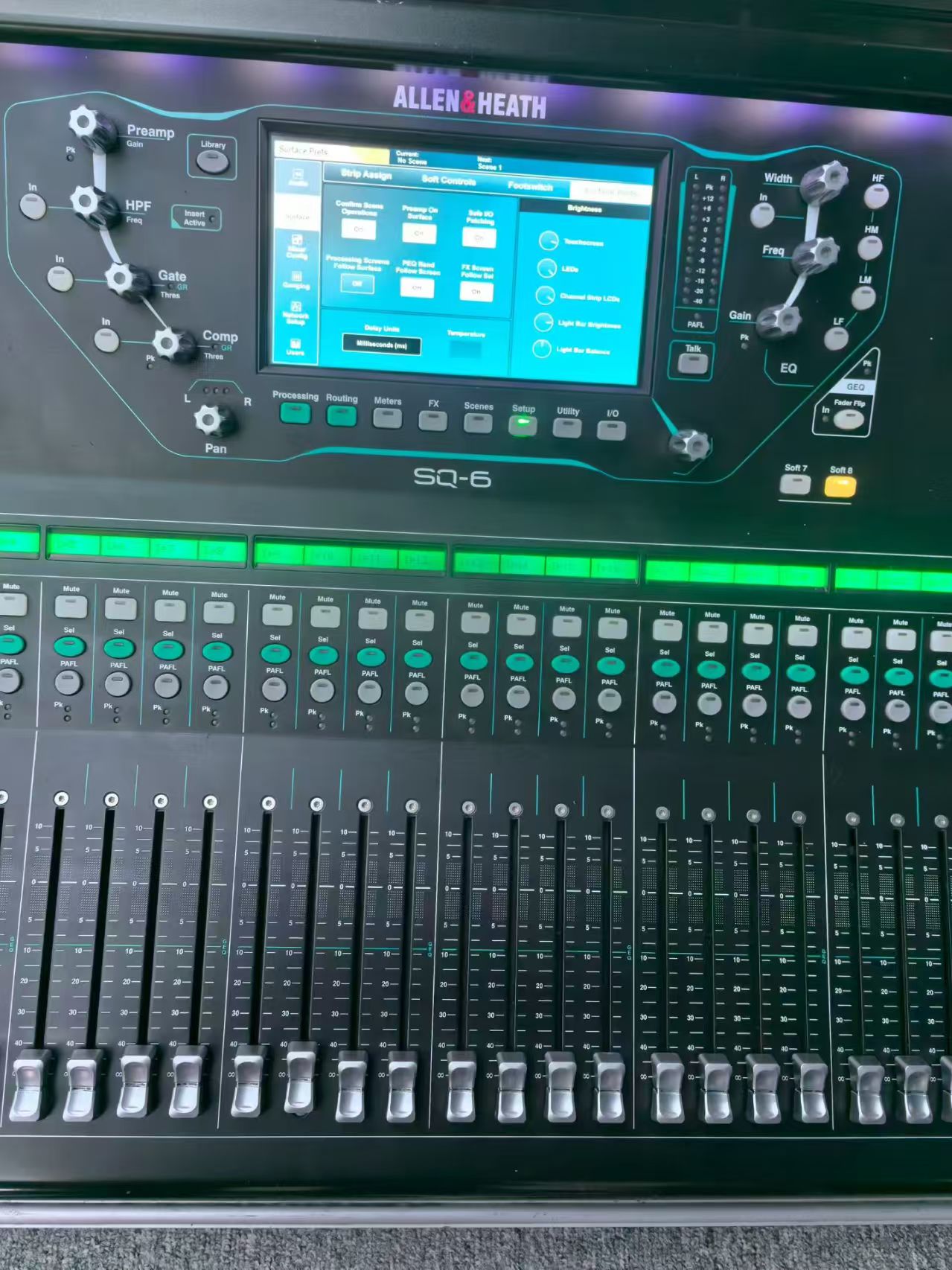
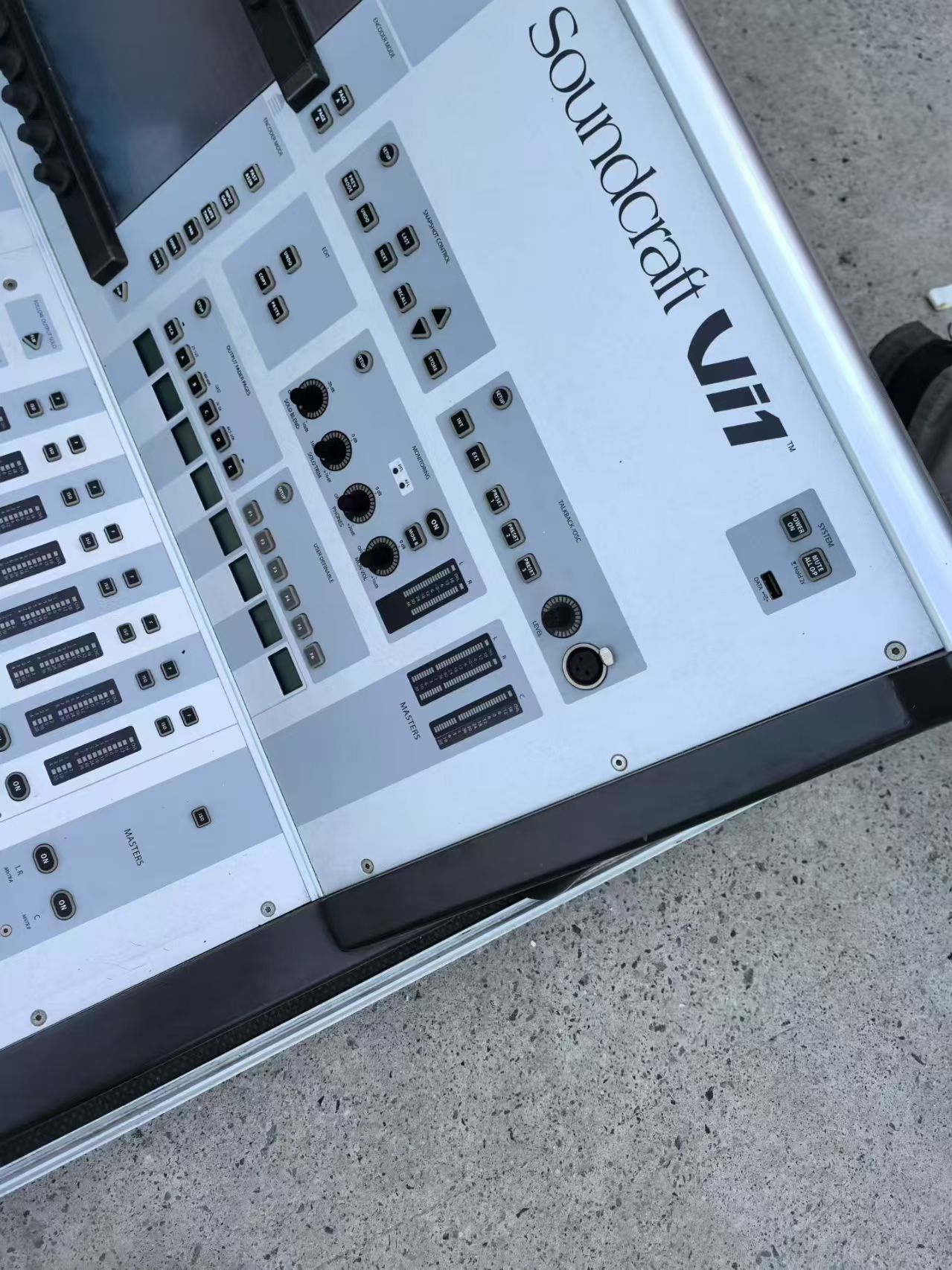
For touring sound companies, the CDJ-350 is not a main player. It is more of a backup or utility unit. Do not expect it to survive heavy touring. If you need robust riders, look at other used Pioneer CDJ models or consider a used digital mixing console like the Allen & Heath SQ-6 or Soundcraft Vi1 for your FOH setup.
Buying in Bulk: What to Ask Your Supplier
When you buy used gear in volume, you are not just buying products; you are buying a process. A good supplier will:
- Provide individual test videos or reports for each unit.
- Disclose any faults clearly before you pay.
- Pack units properly for international shipping.
- Offer a realistic assessment of condition, not just 'used' or 'working'.
Ask about the history. Were these units from a single venue or collected from various sources? Units from a single owner that were maintained together are often in more consistent condition.
Also ask about voltage. The CDJ-350 was sold in different regions with different power requirements. Make sure the units match your local voltage or come with the correct power supply. If not, you will need step-up or step-down transformers, which adds cost and clutter.
Alternatives to Consider
If you cannot find enough CDJ-350s in good condition, or if the price is too close to newer models, consider other options. For KTV and small venues, a used digital mixer with USB playback might replace multiple CDJs. The Allen & Heath SQ-6 is a digital mixer that can play files from USB and is often available used. It is a different category of equipment, but for some setups it is more practical.
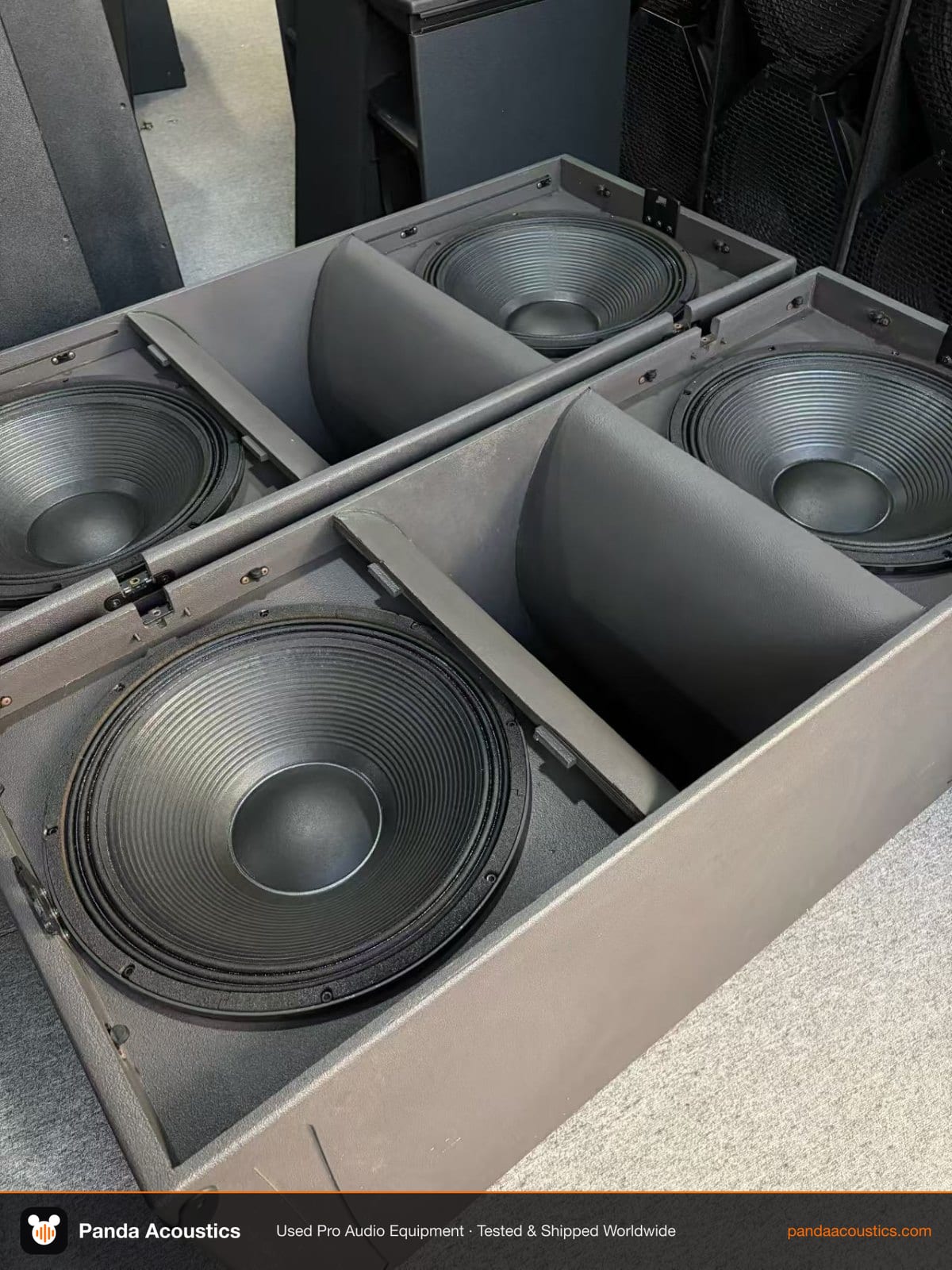
For PA support, you might also need speakers and subwoofers. We stock tested used L-Acoustics KS28 subwoofers and other professional audio gear. If you are building a complete system, check our products page for current inventory.
If you are new to importing used audio equipment, read our guide on importing used audio equipment. It covers shipping, customs, and what to expect.
Negotiating and Payment
Do not pay full price upfront. A common arrangement is a deposit, then balance after you receive test videos or a third-party inspection. For large orders, consider using an escrow service or a letter of credit. If the seller insists on a bank transfer with no proof, that is a risk.
Remember that used gear is sold as-is unless the seller offers a warranty. We do not invent warranty periods; any warranty must be agreed in writing. Ask for a clear return policy if units arrive not as described.
Finally, factor in shipping and import duties. These can add significantly to the total cost. Get a quote before you commit.
Final Thoughts
Buying used Pioneer CDJ-350s in bulk can be a smart move for KTV operators and small venues, but only if you verify condition. Insist on video proof, ask about faults, and understand the total landed cost. If you need help sourcing tested used audio equipment, contact us. We deal in volume and we tell you what we know about each unit.