If you are equipping a KTV, bar, club, or touring rig, a speaker management system is the brain that protects your speakers and shapes your sound. But when you search for "speaker management system price," you will find a wide range of numbers—from a few hundred to several thousand dollars. Why the gap? Because price depends on brand, channel count, processing power, condition, and whether the unit is new or used. This article breaks down what actually drives the price of a used speaker management system so you can budget realistically and avoid overpaying.
What a Speaker Management System Does
A speaker management system (often called a digital loudspeaker management system or LMS) sits between your mixer and your amplifiers. It handles crossover frequencies, EQ, delay, limiting, and sometimes routing. Without one, you risk blowing drivers or getting muddy sound. In a KTV room, it ensures vocals stay clear and subs do not overpower. On a touring rig, it aligns delays and protects expensive line array boxes. Because it is critical, the price you pay should reflect reliability, not just features.
Used units from brands like Xilica, BSS, dbx, and Lake are common on the secondary market. But the price varies based on how many inputs and outputs you need. A 2-in/4-out unit for a small bar costs far less than a 4-in/8-out unit for a concert system. Also, units with Dante or AES3 digital inputs command higher prices. Before you buy, decide your channel count and whether you need analog only or digital networking.
Key Factors That Affect Used Price
When you see a used speaker management system listed, the price is influenced by several factors:
Brand and Model: Premium brands like Lake, Xta, and BSS hold value better. Budget brands like Behringer or Alto drop faster. If you are buying for a fixed install, a mid-tier brand may be sufficient.
Condition and History: A unit from a rental company that was racked and maintained will cost more than one from a mobile DJ who tossed it in a van. Ask for service records if available. Test all inputs and outputs, and check for noisy fans or scratched displays.
Age and Firmware: Older units may lack modern connectivity (USB, Ethernet). Firmware updates can add features, but if the manufacturer no longer supports it, you may be stuck. This affects price—older, unsupported units should be cheaper.
Included Accessories: Rack ears, power cables, and original boxes add minor value. More importantly, if the unit comes with a tested report or a short guarantee from the seller, that justifies a higher price.
Remember, a low price can be a trap. A faulty unit that fails mid-show costs you far more than the savings. Always buy from a supplier who tests and discloses condition.
How to Evaluate Price vs. Value
Instead of chasing the lowest number, compare the total cost of ownership. A used speaker management system priced at $500 that works perfectly for five years is a better deal than a $200 unit that dies in six months. Look for sellers who provide test results—frequency response sweeps, THD measurements, and photos of the internals. If they cannot show you that, walk away.
Also consider compatibility with your existing gear. If you run an Allen & Heath SQ-6 digital mixer, you might want a management system with analog inputs or a digital snake. If you use L-Acoustics KS28 subwoofers, you need a processor with presets for those boxes. Mismatched gear can lead to extra costs for adapters or re-tuning. Check our used speaker management system buying guide for a deeper checklist.
For larger systems, you might integrate the management system with a digital mixer like the Soundcraft Vi1 or Allen & Heath SQ-6. These mixers have built-in processing, but dedicated management still offers better speaker protection. Factor that into your budget.
Typical Price Ranges for Used Units
We cannot quote exact prices because they fluctuate with supply and demand, but we can describe the tiers. Entry-level used units (2-in/4-out, basic EQ) often sell for a few hundred dollars. Mid-range units (4-in/8-out, with delays and limiters) can be in the high hundreds to low thousands. High-end units (Dante, 8-in/8-out, with advanced algorithms) may cost several thousand even used. These ranges are general; always ask for a current quote based on the specific unit.
When you contact a supplier, ask for the price including any testing or warranty. Some sellers charge extra for a test report. Also, clarify shipping and import duties, especially if you are buying from China to Russia, the Middle East, South America, or Africa. Those costs can add 20-30% to the total. For more on importing, see our importing used audio equipment guide.
Where to Buy and What to Ask
Panda Acoustics specializes in tested used professional audio equipment. We do not list fixed prices online because every unit is different. Instead, we provide a detailed condition report and a quote based on the specific model, channel count, and test results. This approach ensures you know exactly what you are paying for.
Before you buy, ask these questions: Has the unit been tested with a real signal? Are all outputs working? Is the firmware up to date? Does it come with a power cable and rack ears? Can you provide a video of it powering on? A reputable seller will answer these without hesitation.
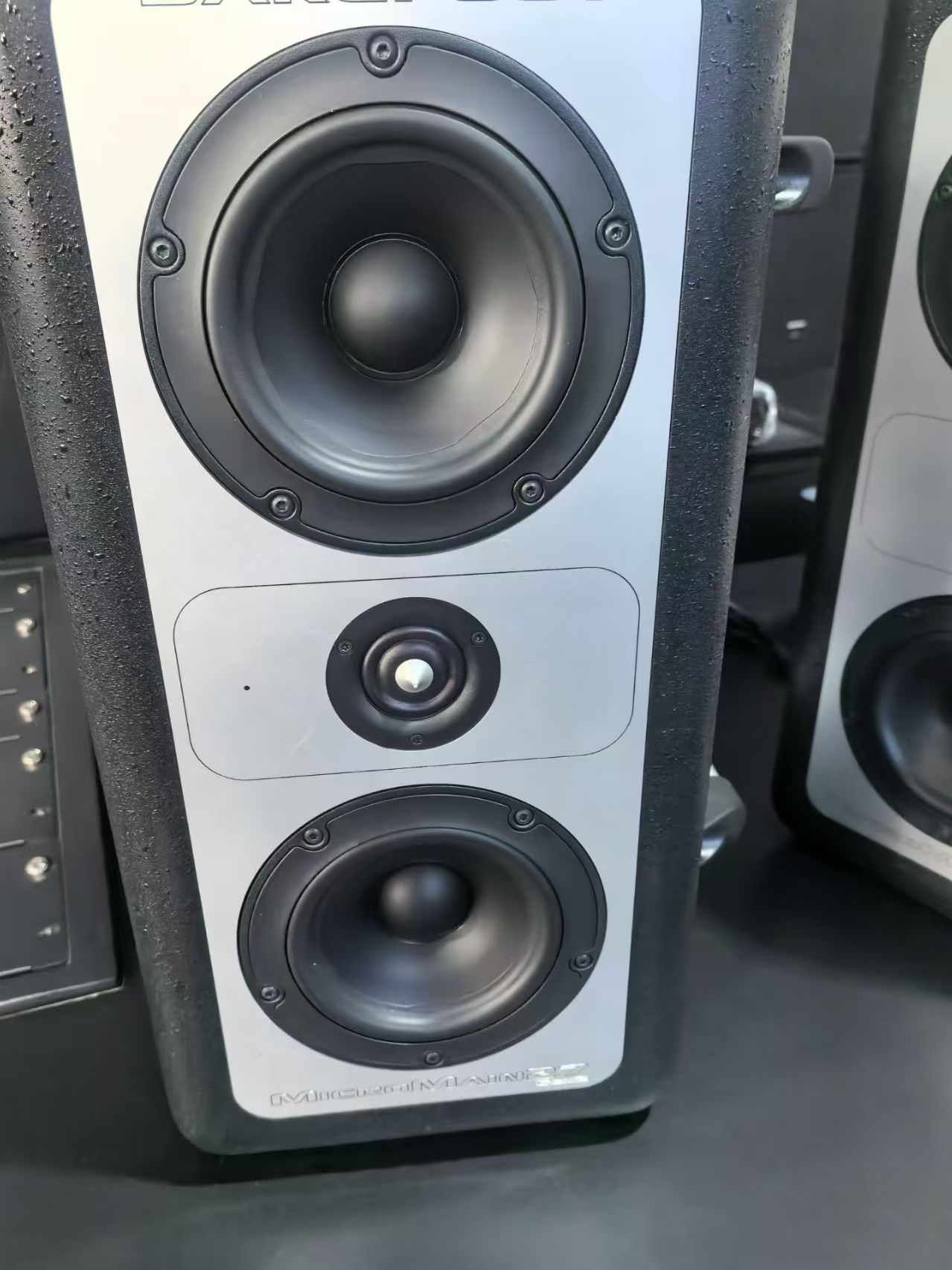
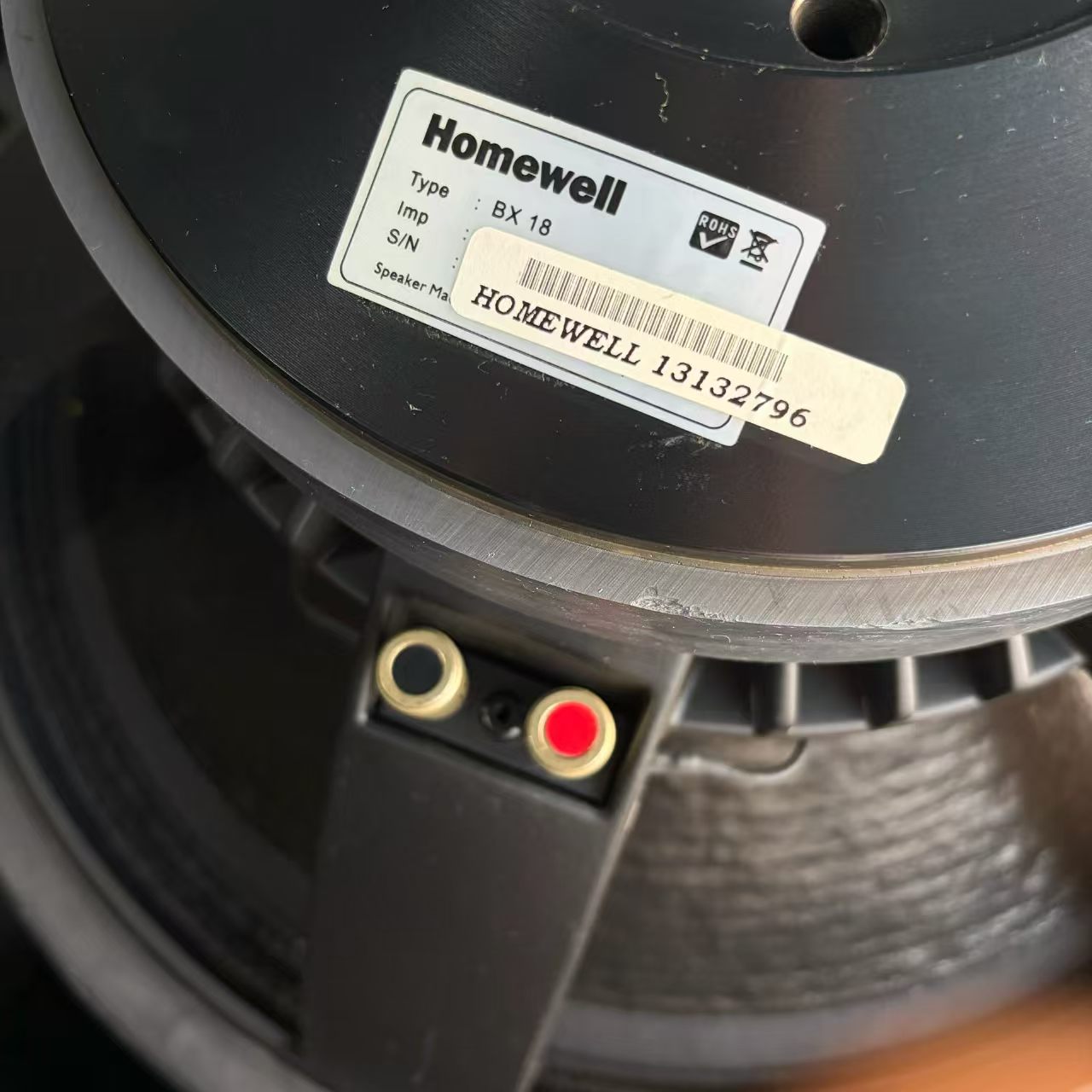
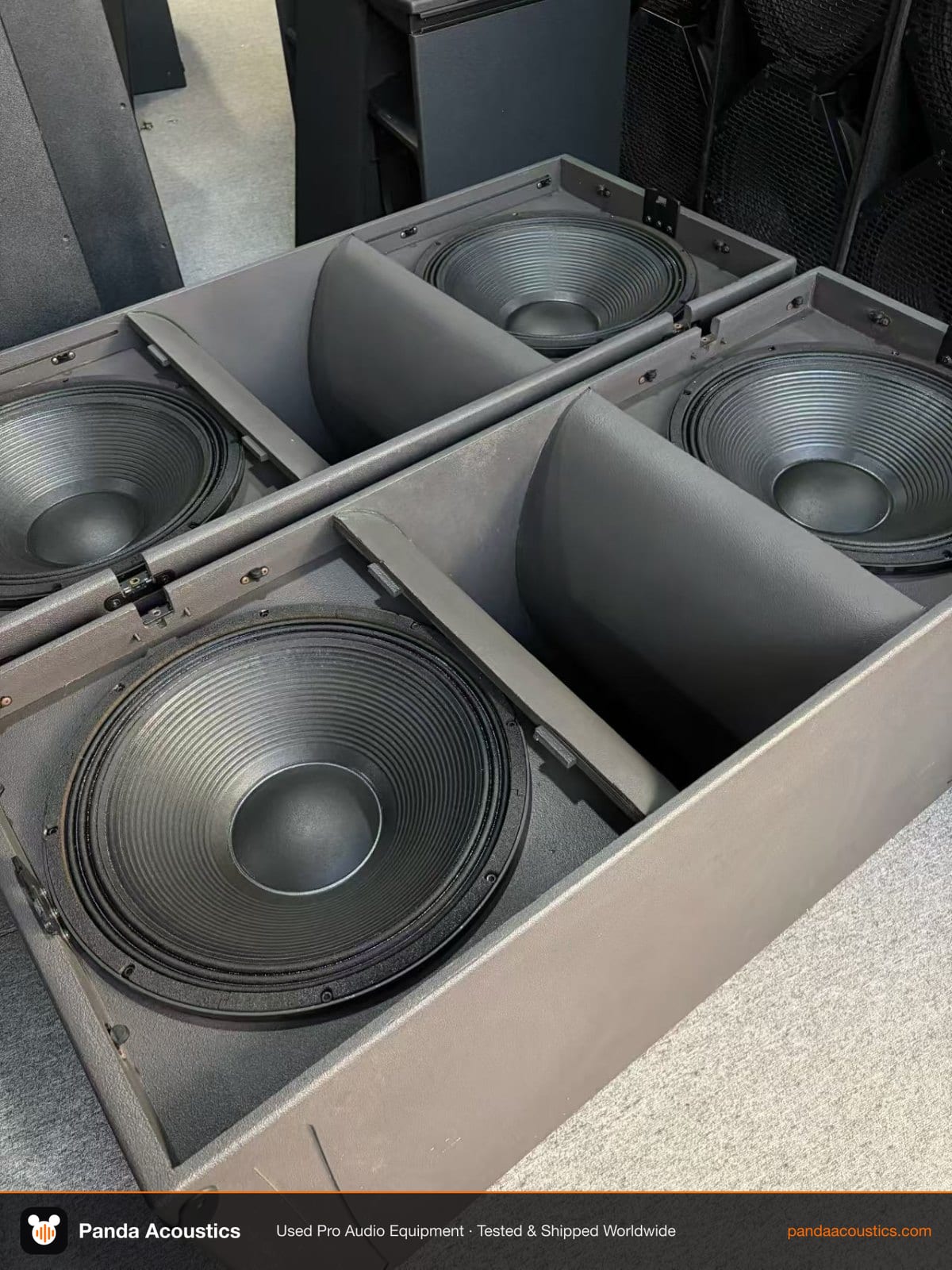
If you are building a full system, consider pairing your management system with reliable speakers. For example, the two-way full-range PA speaker is a workhorse for bars and clubs, while the Homewell BX18 handles subwoofer duties. For touring, the L-Acoustics KS28 is a popular choice. Each of these benefits from proper management.
Final Advice: Focus on Condition, Not Just Price
The cheapest speaker management system is rarely the best value. Your system's reliability depends on this unit. Spend time evaluating the seller's testing process and return policy. If you are buying in volume for multiple venues, ask about bulk pricing and consistent stock. Panda Acoustics can source multiple units of the same model, all tested to the same standard. Contact us with your requirements and we will provide a transparent quote.
Remember, a speaker management system is an investment in the longevity of your entire rig. Pay for condition, support, and a seller who understands your market. That is how you get real value.