If you are equipping a touring rig, a KTV chain, or a club, the cost of a concert sound system is one of your biggest capital decisions. There is no single price tag. A small bar system and a stadium tour system differ by orders of magnitude. What matters is understanding the variables that determine what you actually pay, especially when buying used.
This article breaks down the real cost drivers and gives you a framework to budget without guesswork. We will not quote specific prices because they change with condition, market, and negotiation. Instead, we show you what to evaluate so you can make an informed offer.
System Scale: The Primary Cost Driver
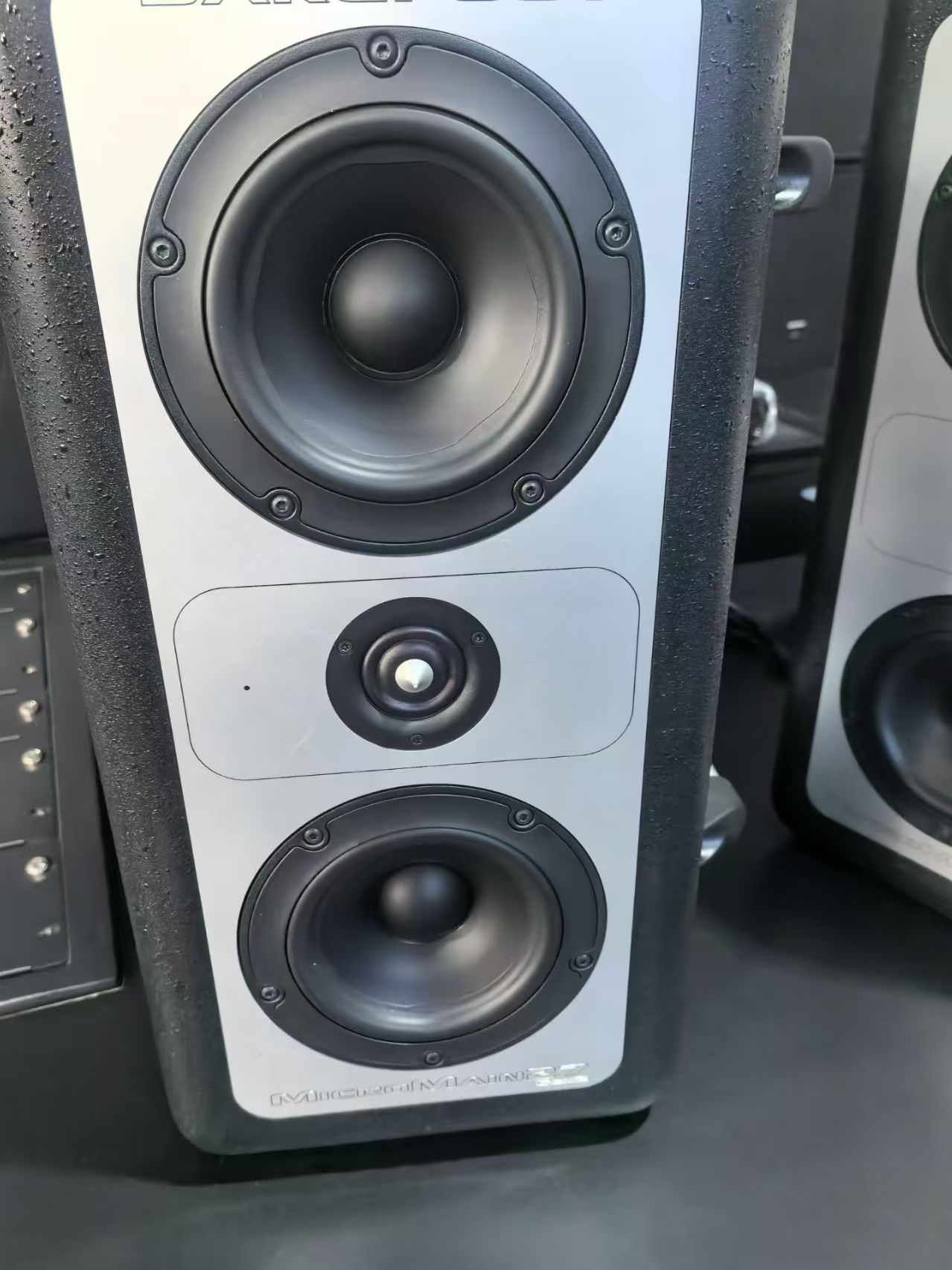
The first question is: what size venue or tour are you supporting? A system for a 200-capacity bar needs far less gear than one for a 5,000-seat arena. Scale affects everything: number of speakers, amplifier channels, mixing console inputs, and rigging. For a club or KTV room, a two-way full-range PA speaker like the Two-Way Full-Range PA Speaker might suffice. For a concert, you need line arrays and subwoofers.
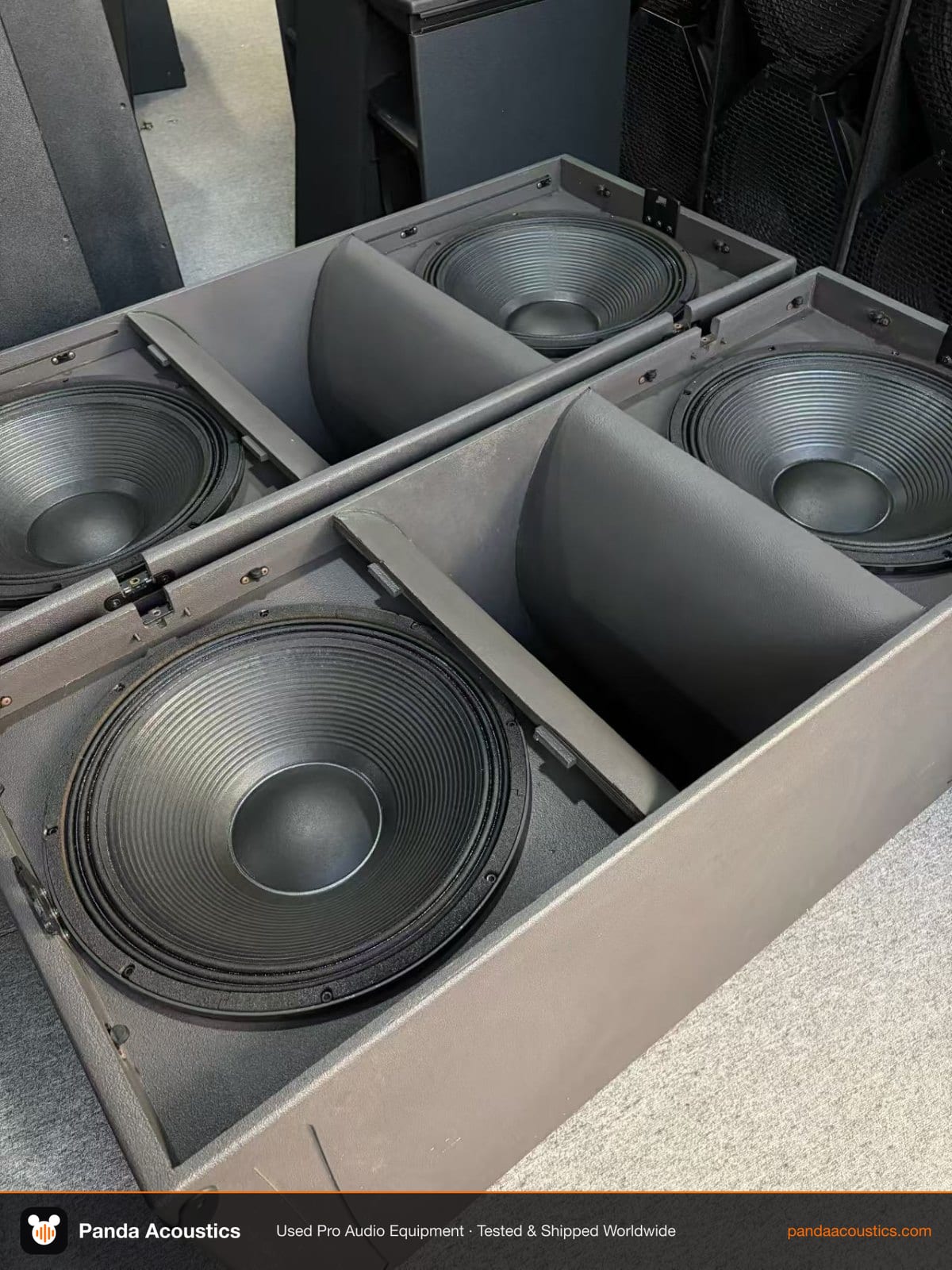
Used line arrays are often sold by the box. The price per box depends on brand, model, and condition. Our guide on used line array price per box explains how to compare offers. Remember: a larger system does not just cost more in speakers; it also requires more amplification, processing, and power distribution.
Speaker Selection and Condition
Speakers are the most visible cost. In used pro audio, condition is everything. A well-maintained L-Acoustics KS28 subwoofer will command a higher price than a beaten-up alternative, but it may last longer and sound better. The L-Acoustics KS28 Subwoofer is a rider-friendly choice for touring, but you need to verify its history. Check our L-Acoustics KS28 used buyer guide for inspection points.
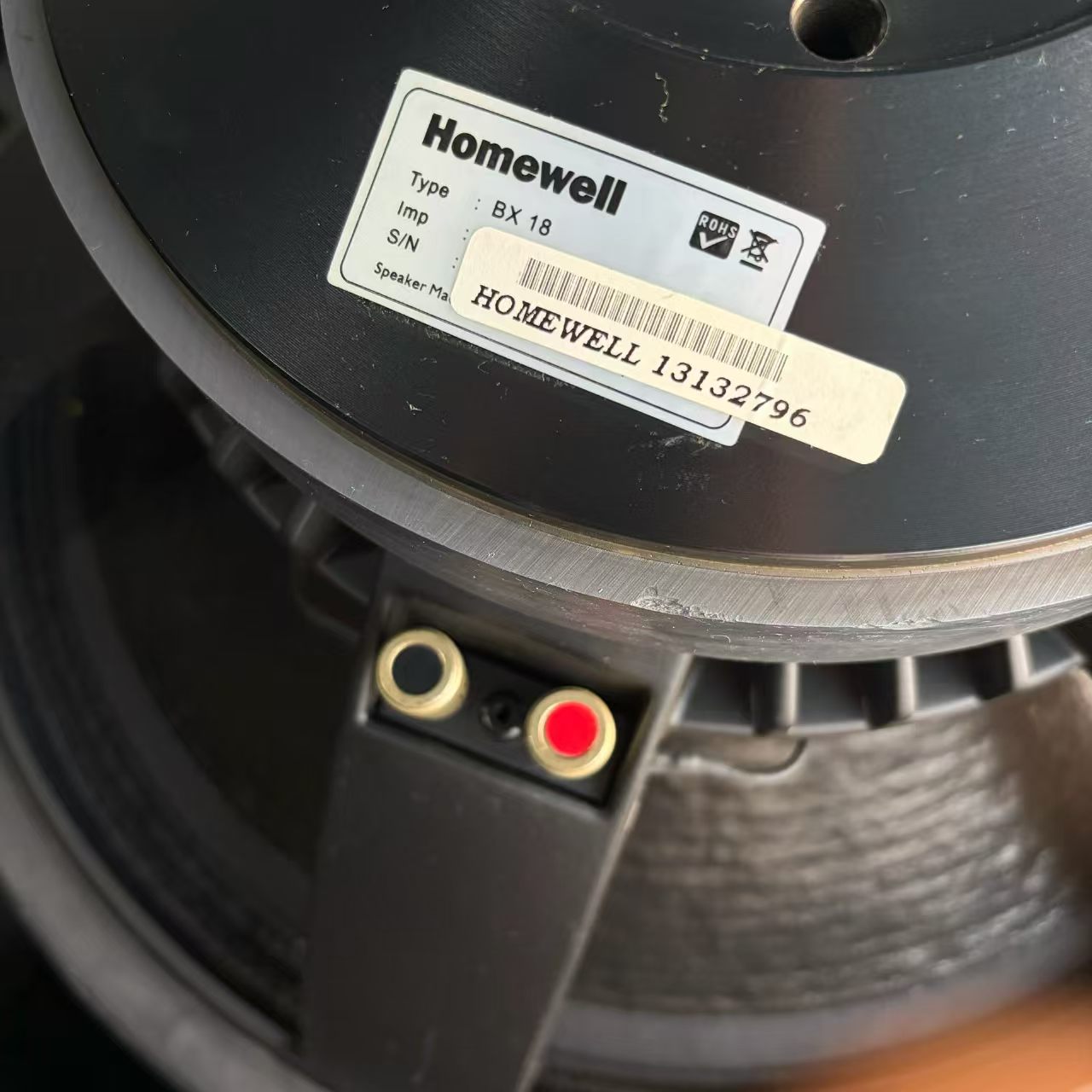
For mid-sized venues, a two-way full-range speaker can cover mains and monitors. The Homewell BX18 Loudspeaker Unit is another option for subwoofer duties. But do not assume any used speaker is a bargain. Test it thoroughly. Our article on how to test a used subwoofer gives you a procedure.
Mixing Consoles and Control
The console is your control center. Digital mixers have largely replaced analog in touring because of their flexibility and recall. A used Soundcraft Vi1 Digital Mixing Console or an Allen & Heath SQ-6 Digital Mixer can handle many shows. The cost depends on channel count, condition, and whether it includes a stage box. Compare features in our Allen & Heath SQ6 vs Soundcraft Vi1 article.
Do not overlook the need for a digital snake or stage box. These add to the total but are essential for complex setups. If you are buying used, ensure the console has the latest firmware and that all faders and encoders work.
Amplification and Processing
Speakers need power. Amplifiers are a significant cost, especially for large systems. Used amplifiers can be a good value if they are from reputable brands and have been tested. Read our used pro audio amplifier buying guide for what to check.
Signal processing—crossovers, EQ, delay—is often built into modern amplifiers or separate units. A used speaker management system can save money, but verify it works with your speakers. Our used speaker management system buying guide covers this.
Additional Costs: Rigging, Cables, Cases
Rigging hardware, cables, and road cases are easy to forget. For a touring system, rigging can be a major expense. Used rigging must be certified or inspected; never compromise on safety. Cables and connectors add up quickly, especially for long runs. Road cases protect your investment during transport.
Also consider power distribution. A large system may require a three-phase supply, which could mean hiring an electrician or renting a generator. These costs vary by venue and region.
How to Budget for a Used System
Start with your venue size and set a target SPL. Then list the components: mains, subs, monitors, console, amps, processing, cabling, rigging. For each, decide whether new or used makes sense. Used gear from a reputable supplier like Panda Acoustics can offer significant savings, but you must factor in inspection and potential repairs.
Request quotes from multiple suppliers. Compare not just price but what is included: warranty, testing, and support. For volume buyers, negotiate. If you are importing, factor in shipping, duties, and taxes. Our importing used audio equipment guide explains the process.
Finally, remember that the cheapest system is not always the best value. Reliability matters when you have a show to run. A slightly higher upfront cost for well-maintained gear can save you from failures and lost revenue.