You are looking at a used Pioneer DJ controller for sale. Maybe you run a KTV chain in Russia, a touring sound company in the Middle East, or a bar in South America. You need gear that works, not marketing promises. This guide tells you what to inspect, what questions to ask, and how to avoid expensive mistakes when buying used DJ controllers in bulk.
Why Pioneer DJ Controllers Hold Up in Commercial Use
Pioneer DJ controllers are built for club and mobile use. Models like the DDJ series, XDJ series, and older CDJ-based controllers are common in KTV rooms, bars, and small venues. They are not the same as a full digital mixing console, but they integrate well with PA systems. For KTV operators, a used Pioneer controller can replace a failing house mixer without changing the whole signal chain.
When you buy used, you are not getting a warranty from Pioneer. You are buying the remaining life of the unit. That is fine if you know how to test it. The key is to focus on condition, not cosmetics.
What to Inspect Before You Buy
Ask for a video walkthrough, not just photos. A video shows fader movement, button response, and display function. Look for these specific points:
Faders and knobs: Move every channel fader, crossfader, and EQ knob through its full range. They should feel smooth, not gritty. Scratchy audio when moving a fader means a dirty or worn potentiometer. That is a repair, not a cleaning.
Jog wheels: Spin them. They should rotate freely without wobble. Press down on the top to test the touch sensitivity. If the jog does not respond to touch, the capacitive sensor may be failing.
Buttons and pads: Press every performance pad, play/cue button, and menu button. They should click and register. Sticky buttons are common on units used in smoky bars.
Display and LEDs: Check for dead pixels, dim segments, or flickering. A failing display is hard to replace on older controllers.
Inputs and outputs: Test every RCA, XLR, and TRS connection. Plug in a source and listen for hum, crackle, or channel dropouts. Wiggle the cable to see if the jack is loose.
USB and power: Connect the controller to a laptop and confirm it is recognized. Test the power jack for looseness. A loose power connector can cause random shutdowns during a gig.
Common Failure Points on Used Units
Pioneer controllers are reliable, but certain parts wear faster in commercial use:
Crossfaders: The most abused part. On older units, the crossfader may bleed or cut out. Replacement crossfaders are available, but factor in the cost and labor.
Channel faders: Dust and smoke cause scratchy audio. Some units can be cleaned, but worn carbon tracks cannot be fixed.
Jog wheel bearings: If the jog feels loose or makes noise, the bearing is worn. This affects mixing accuracy.
USB ports: The port can loosen from repeated cable plugging. A loose USB port causes dropouts.
Power supply: Some models use an external power brick. Check that the correct voltage and polarity are supplied. A wrong power supply can damage the unit.
How to Buy in Volume Without Getting Burned
Buying one used controller is a risk. Buying twenty is a bigger risk. Here is how to manage it:
Ask for a batch test report. A serious seller will test each unit and note faults. If they cannot provide this, walk away.
Request individual serial numbers. This helps you track units and avoid stolen goods. It also lets you check age and model revisions.
Buy from a supplier that specializes in used pro audio. They know what fails and can tell you the real condition. General electronics resellers often do not.
Consider the total cost. A cheap controller that needs a new crossfader and two faders may cost more than a better unit. Ask for a repair estimate if faults are found.
Start with a small trial order. Buy one or two units first. Test them in your own environment. If they pass, order more.
Integrating a Used Controller with Your PA System
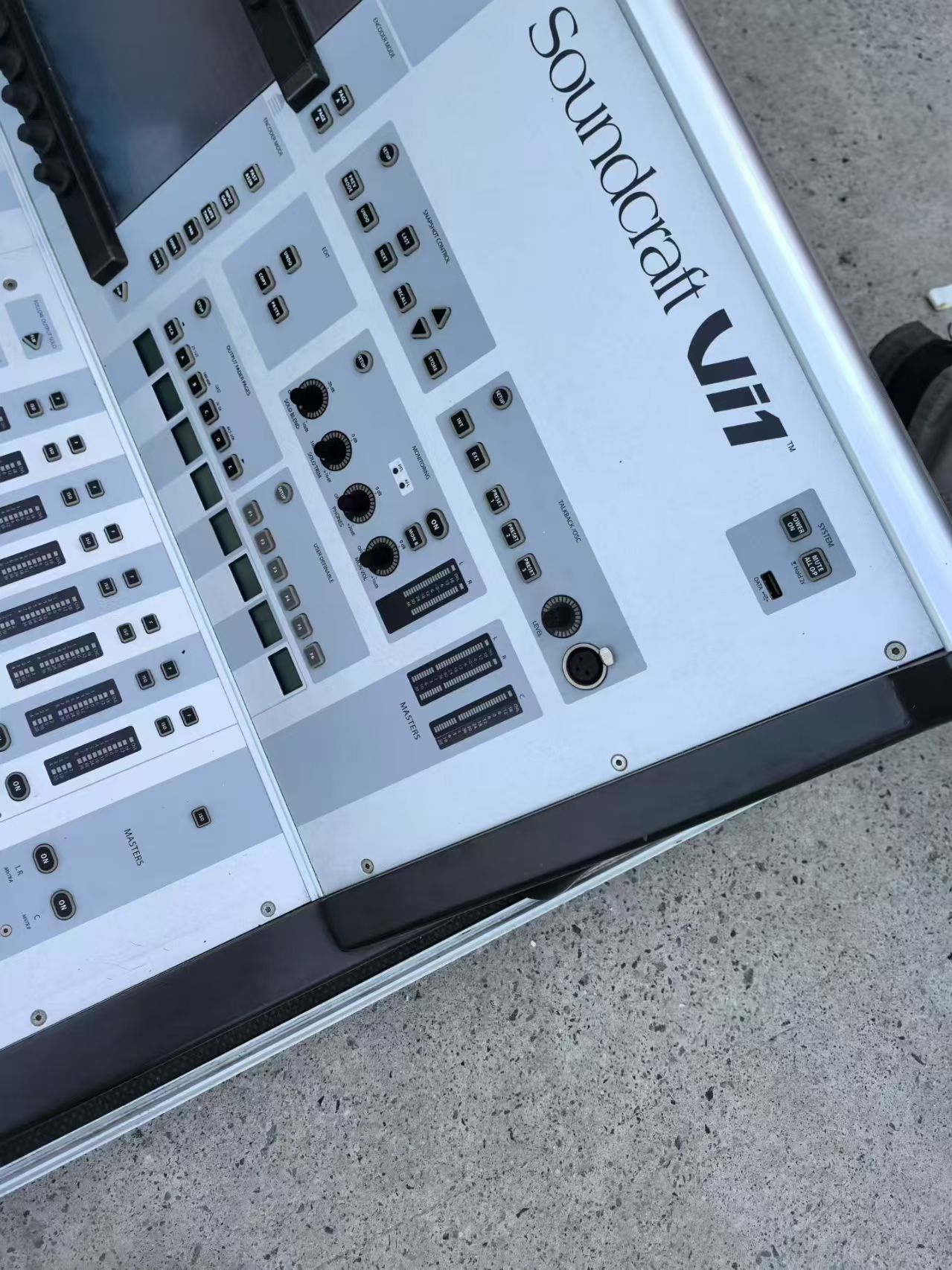
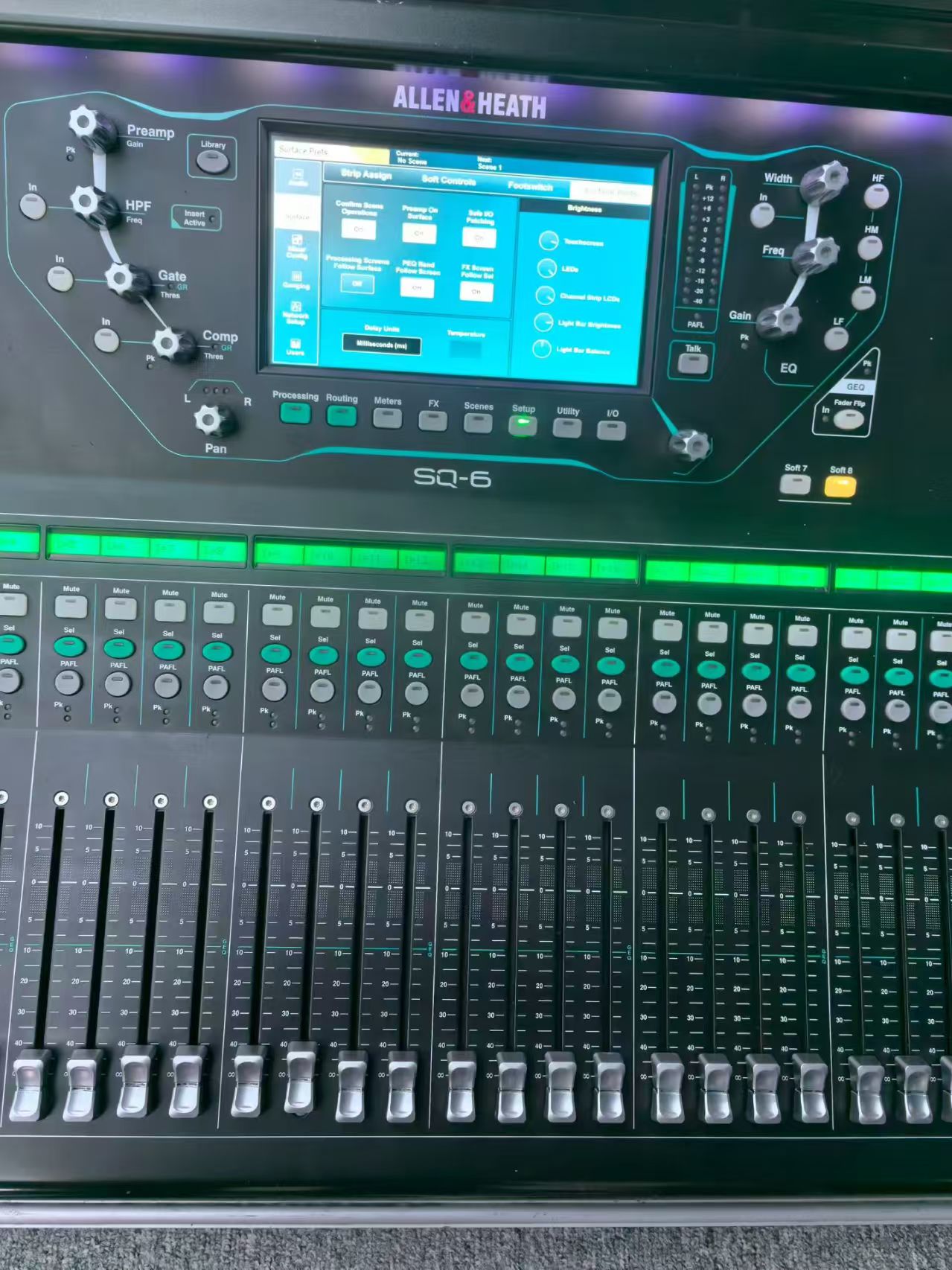
A DJ controller is only one part of your signal chain. For KTV rooms, you may run the controller into a mixer, then to amplifiers and speakers. If you are upgrading your PA at the same time, consider a used digital mixer like the Allen & Heath SQ-6 or Soundcraft Vi1. These give you more control over room tuning and feedback suppression.
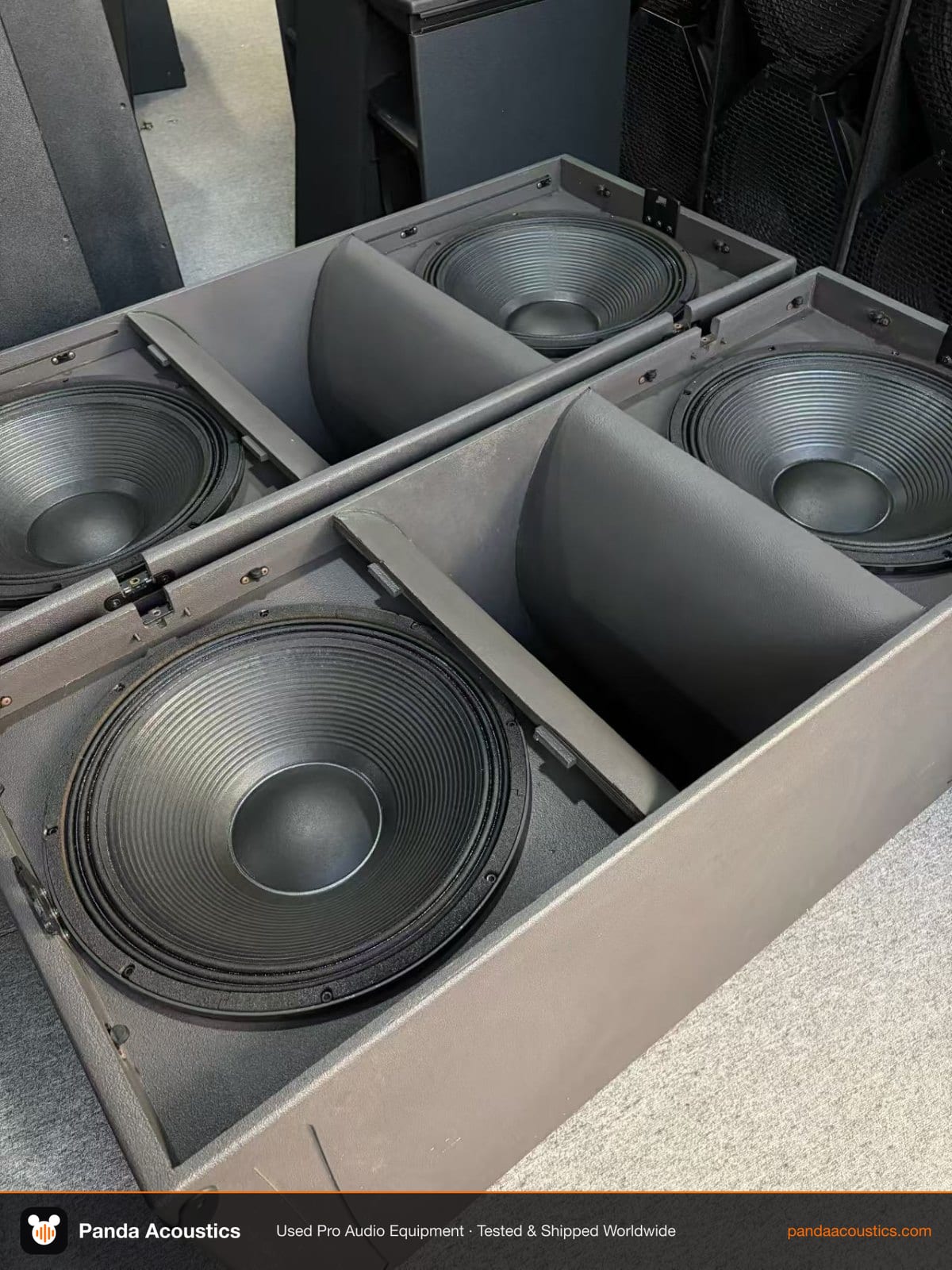
For speakers, a used two-way full-range PA speaker is a common match for DJ controllers in bars and clubs. If you need more low end, add a subwoofer. The Homewell BX18 is a workhorse for KTV and small venues. For touring-grade bass, the L-Acoustics KS28 is a different class, but it requires proper amplification and processing.
Make sure your controller outputs match your mixer or amplifier inputs. Most Pioneer controllers have unbalanced RCA outputs. If you run long cables to a PA, use a DI box or a mixer with balanced inputs to avoid noise.
Where to Find Used Pioneer DJ Controllers
You can find used Pioneer DJ controllers on global marketplaces, local classifieds, and through B2B suppliers. For volume buyers, B2B suppliers are usually the better option. They can consolidate shipping, provide condition reports, and handle export documentation.
Panda Acoustics supplies tested used professional audio equipment to KTV operators, touring sound companies, bars, and clubs. We do not list every unit online. If you are looking for a specific Pioneer DJ controller model, contact us with your requirements. We will tell you what we have, what condition it is in, and what it takes to get it to you.
Before you buy any used controller, read our used Pioneer DJ buying guide for more detailed inspection steps. If you are also buying speakers, our used KTV speakers guide covers what to check.