If you are searching for used Pioneer DJ equipment, you are likely a KTV operator, a touring sound company, or a bar/club owner looking to equip multiple rooms or a full rig without paying new prices. You buy in volume, and you care about real condition—not marketing fluff. This guide covers what to inspect, what questions to ask, and how to avoid the most common pitfalls when buying used DJ gear.
Why Used Pioneer DJ Gear Makes Sense for Volume Buyers
Pioneer DJ is the industry standard in clubs and KTVs worldwide. Their CDJs and DJ mixers are built to take a beating, and parts are widely available. For buyers in Russia, the Middle East, South America, and Africa, used gear from reputable suppliers can stretch your budget significantly. But the market is full of abused units, so you need a disciplined inspection process.
Before you commit, ask the seller for detailed photos and a video of the unit powered on. Look for signs of liquid damage, bent faders, and worn buttons. A unit that has been in a smoky club for years may have internal corrosion that only shows up under heavy use.
Key Inspection Points for Used Pioneer CDJs and Mixers
CDJs: Check the platter for wobble, the jog wheel for smooth rotation, and the cue/play buttons for firm response. Test the USB and SD slots with your own drive. Listen for unusual noises from the drive mechanism. On older models like the CDJ-2000NXS2, the display can develop dead pixels—power it on and inspect the screen carefully.
DJ Mixers: Faders and crossfaders are the first to fail. Move each fader slowly and listen for crackling or dropouts. Test the EQ knobs and channel faders for smooth travel. On digital mixers like the DJM-900NXS2, check that all inputs and outputs work, including the digital coax and optical ports. If the mixer has built-in effects, run through each effect to ensure they engage properly.
For any used gear, insist on a test under load. Connect a source and play at moderate volume for at least 15 minutes. Heat-related issues often appear only after the unit warms up.
How to Verify Condition When Buying Remotely
Most volume buyers purchase remotely. To protect yourself, request a live video call where the seller demonstrates the unit. Ask them to show the serial number, the condition of the casing, and the inside of the unit if possible. Reputable suppliers will not hesitate to provide this.
Check the seller’s history. Do they specialize in used pro audio? Do they offer a testing report? Panda Acoustics, for example, tests every piece of gear before it ships. You can read more about our process on our About page. For a broader look at importing used audio equipment, see our importing guide.
Pairing Used Pioneer DJ Gear with Your Sound System
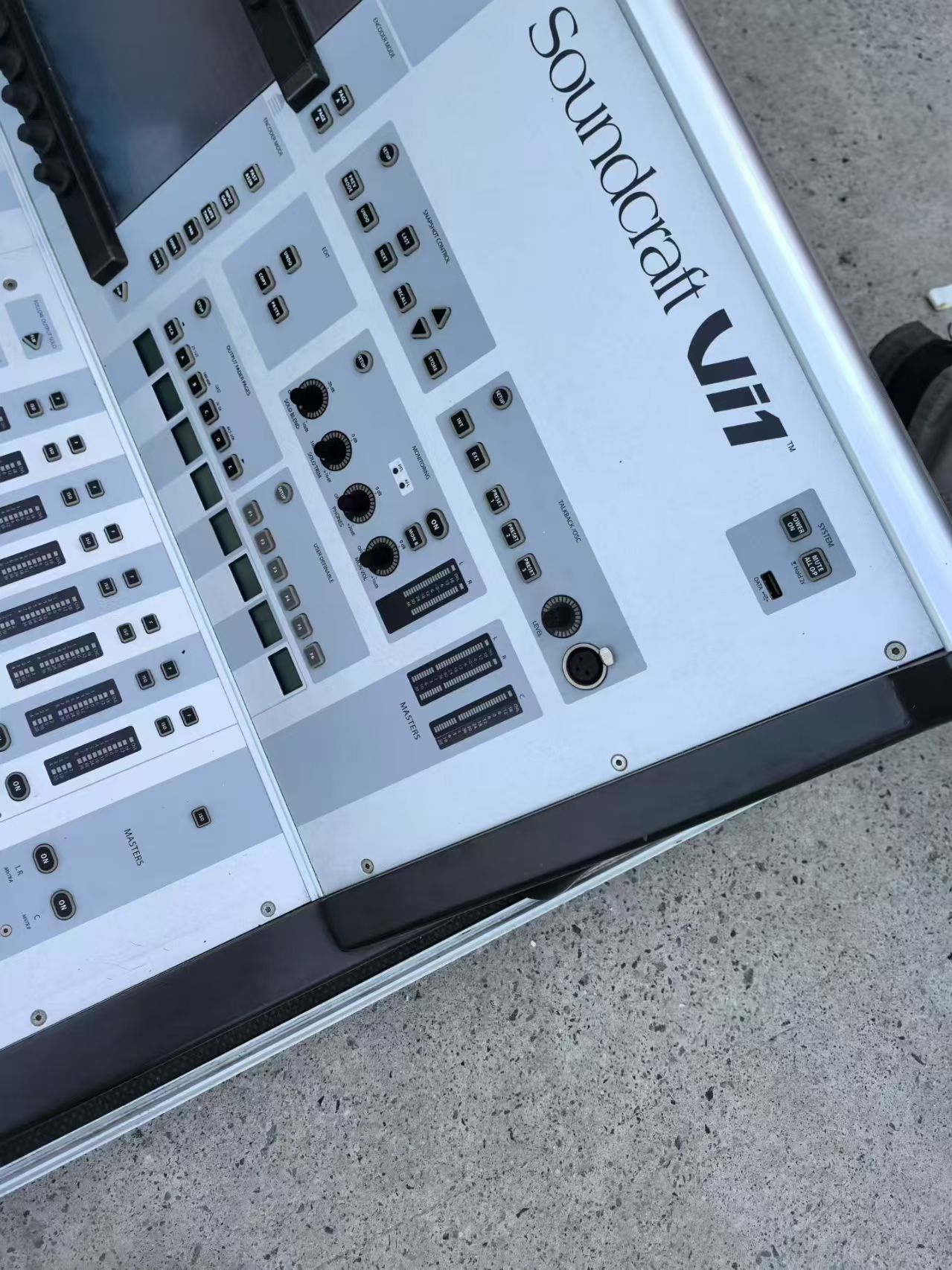
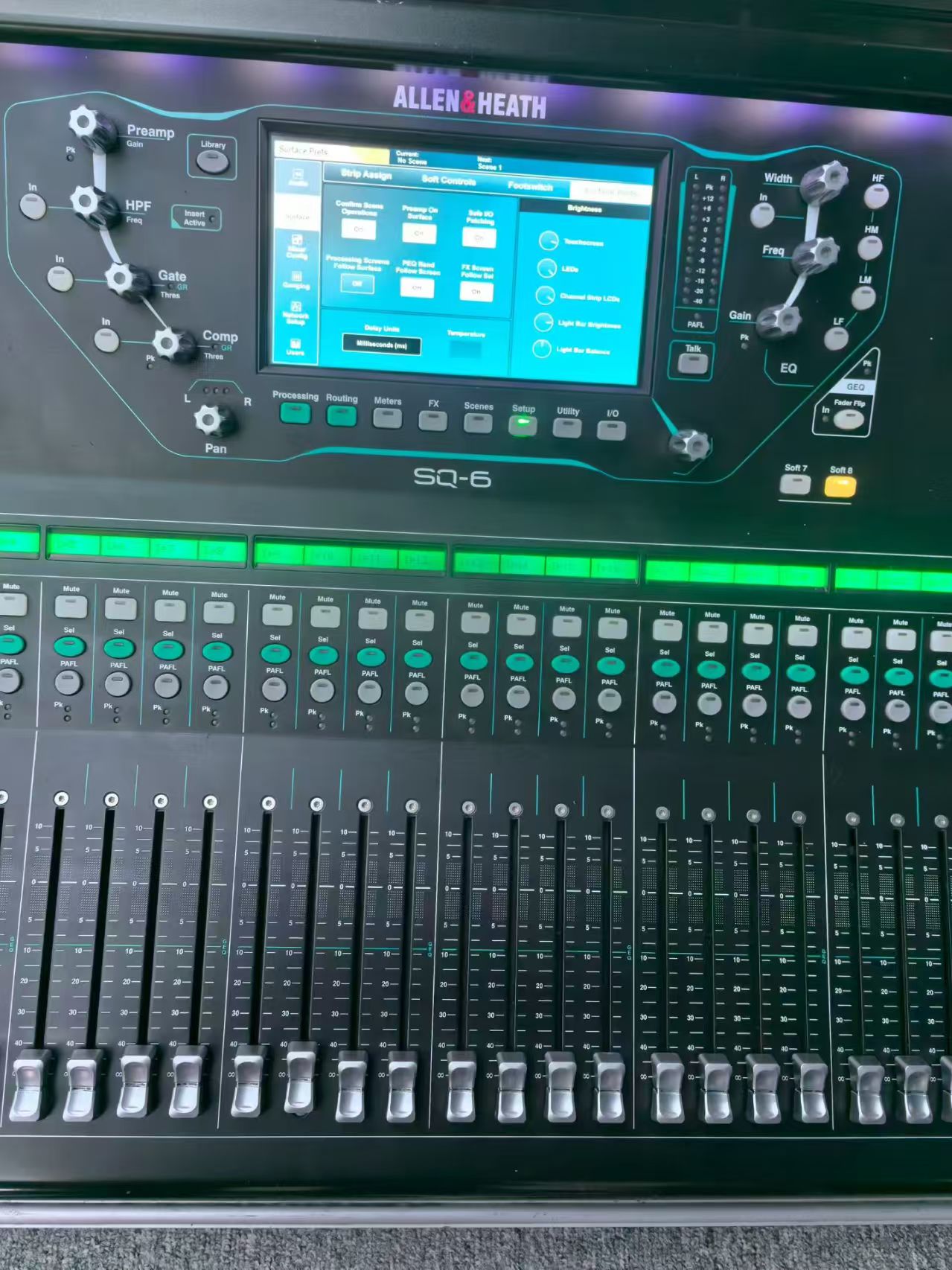
Your DJ setup is only one part of the signal chain. If you are building a club or KTV system, you will need a robust mixer and speakers that can handle high SPL. While Pioneer DJ mixers are great for DJing, for live sound and KTV you might consider a digital console like the Allen & Heath SQ-6 or the Soundcraft Vi1. These offer more routing flexibility and are better suited for multi-room installations.
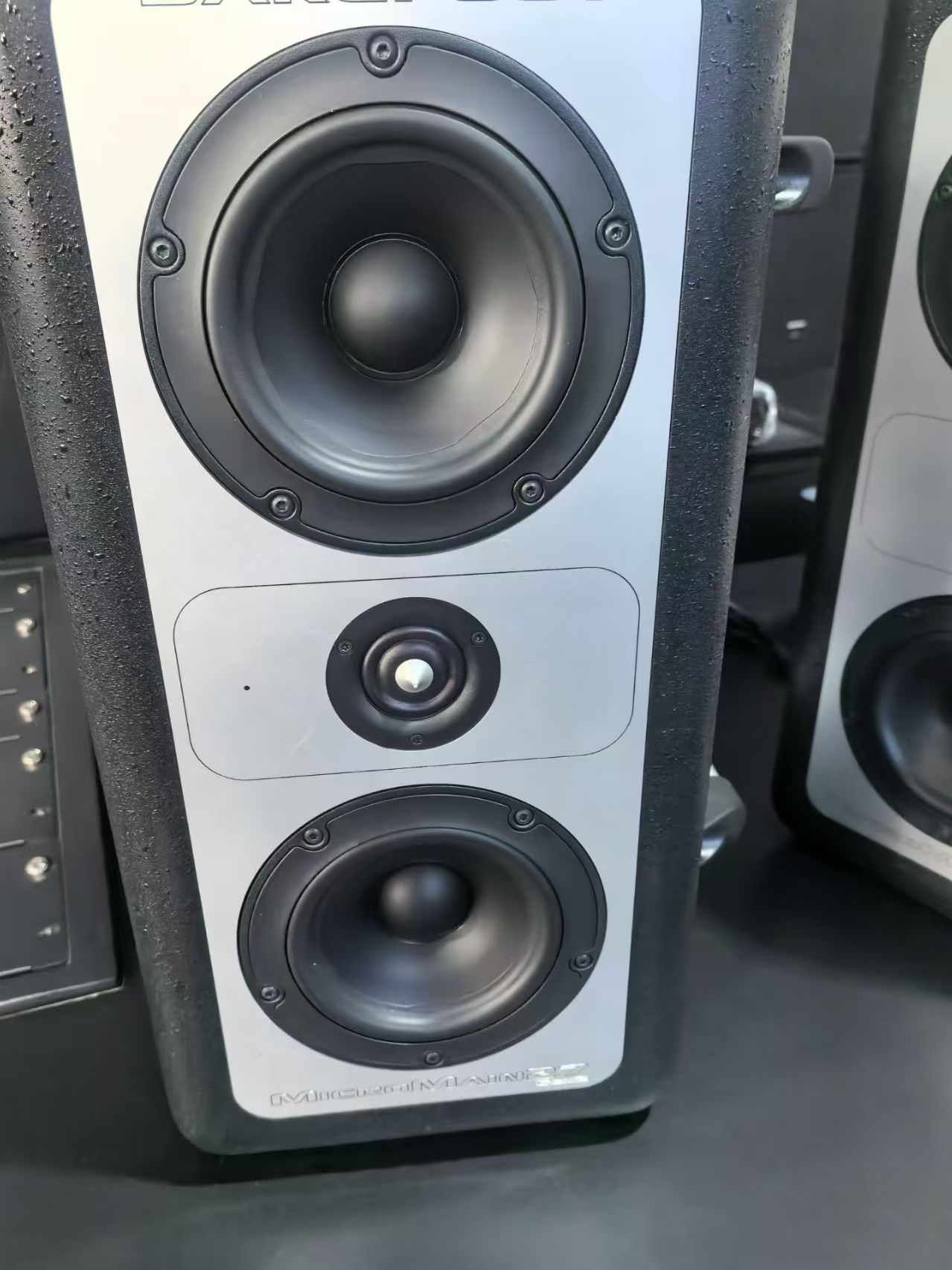
For subwoofers, the L-Acoustics KS28 is a touring-grade choice, but for most KTV and club applications, a Homewell BX18 or a two-way full-range speaker will deliver solid performance at a lower cost. If you need help designing a system, our KTV sound system solutions and bar/club sound system solutions pages outline typical configurations.
Common Pitfalls and How to Avoid Them
1. Assuming all used gear is equal. Two units of the same model can have vastly different histories. Always ask for individual condition reports.
2. Skipping the power-on test. Never buy a unit that you have not seen powered on and producing sound. Even a quick video call can reveal major issues.
3. Ignoring voltage requirements. Pioneer DJ gear is often available in 100V, 120V, or 230V versions. Make sure the unit matches your local voltage or that you have appropriate step-up/step-down transformers.
4. Overlooking spare parts. Faders, knobs, and buttons wear out. Check that replacement parts are available in your region before you buy a large batch.
5. Forgetting about shipping and customs. Importing used electronics can involve duties and taxes. Work with a supplier who understands the export process and can provide proper documentation. Our importing guide covers this in detail.
Where to Find Reliable Used Pioneer DJ Gear
Panda Acoustics supplies tested used professional audio equipment to volume buyers worldwide. We do not list prices on our website because every order is different—condition, quantity, and shipping destination all affect the final cost. Instead, we invite you to browse our products page and contact us with your specific needs. We will provide a detailed quote and condition report for the units you are interested in.
For more buying guides, check out our used Pioneer CDJ buying guide and our used digital mixing consoles guide. These resources will help you make informed decisions whether you are buying DJ gear or complete sound systems.