If you are outfitting a KTV room, bar, or small touring rig, the Pioneer CDJ-350 remains a workhorse. It is not a flagship, but it is reliable, easy to service, and widely understood by operators. For B2B buyers in Russia, the Middle East, South America, and Africa, the challenge is not finding units—it is finding units that will survive a real workload. This guide covers what to check before you commit, how to integrate the CDJ-350 into a larger system, and where to find tested used stock.
Why the CDJ-350 Still Makes Sense for Volume Buyers
The CDJ-350 plays USB drives and CDs, offers basic looping and hot cues, and outputs digital audio via coaxial. It is lighter and simpler than club-standard players, which makes it a good fit for KTV rooms and small venues where staff turnover is high and training time is limited. Because it has been discontinued for years, the used market is the only source. That means condition varies wildly. A unit that looks clean on the outside can have a worn jog wheel, a failing USB port, or a laser that skips. Your job as a buyer is to separate the players that have been maintained from those that have been abused.
For operators building multiple rooms, consistency matters more than individual unit condition. You want a batch of CDJ-350s that behave the same way, so your staff can move between rooms without retraining. That is why buying from a supplier who tests and grades used gear is safer than piecing together units from random sellers.
What to Inspect on a Used CDJ-350
Start with the disc mechanism. Insert a known-good CD and listen for skipping or excessive noise. The tray should open and close smoothly. Next, test the USB port with several different drives—some units develop loose ports that disconnect when the cable is bumped. Check the jog wheel for wobble and responsiveness; a worn jog wheel is a common failure point and replacement parts can be hard to source.
Test every button and fader. The cue and play buttons take the most abuse. Make sure they register consistently. Look at the display for dead pixels or fading. On the rear panel, inspect the RCA outputs and the digital coaxial output. A unit with a damaged digital output can still work via analog, but you lose flexibility. Finally, check the power supply. The CDJ-350 uses an external power adapter on some versions; make sure the correct adapter is included and that the connector is not loose.
If you are buying remotely, ask for a video that shows the unit powering on, playing a track, and responding to controls. A static photo tells you almost nothing. For a broader checklist that applies to many used audio products, see our used Pioneer DJ buying guide.
Integrating the CDJ-350 into a KTV or Bar System
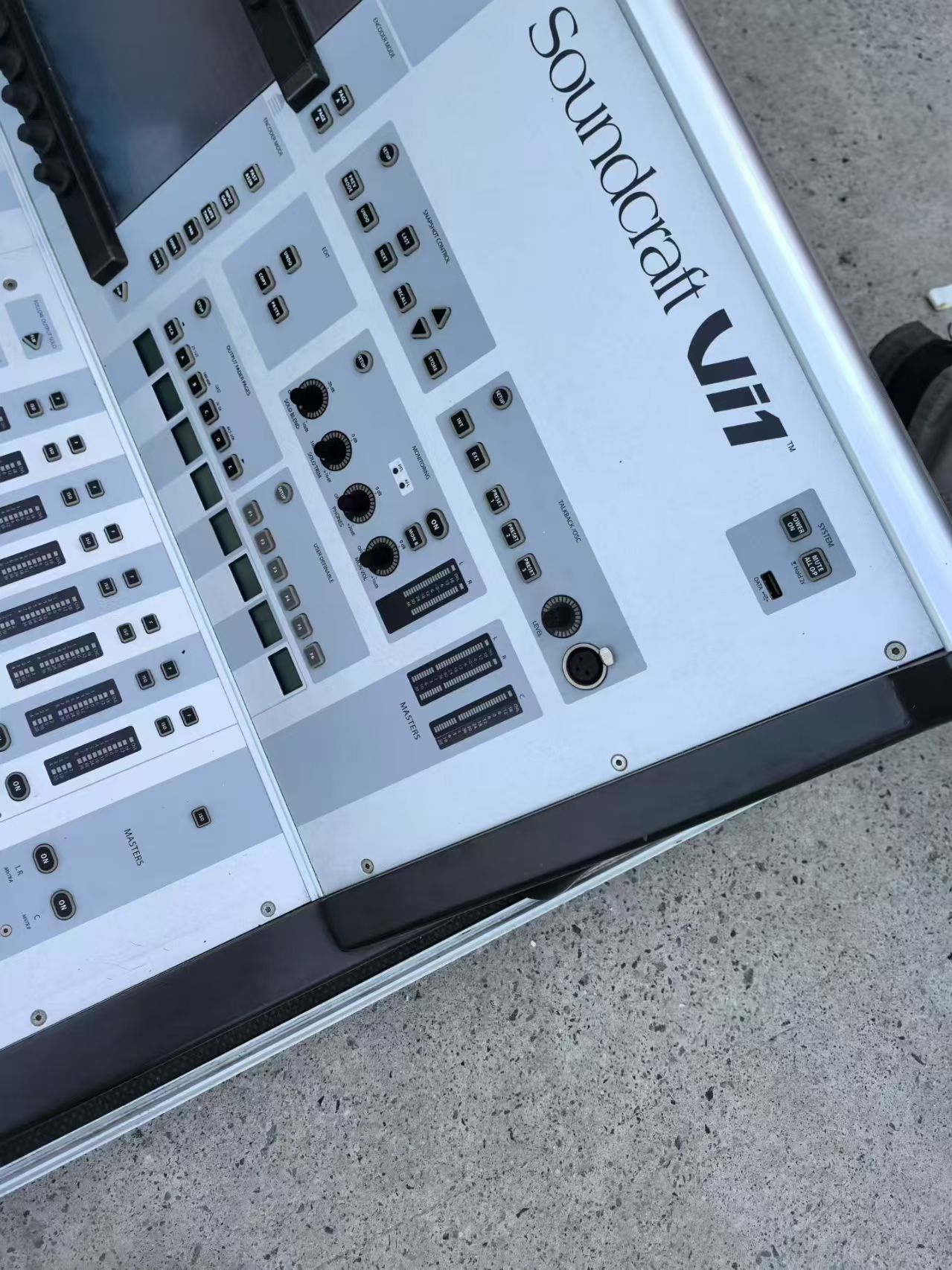
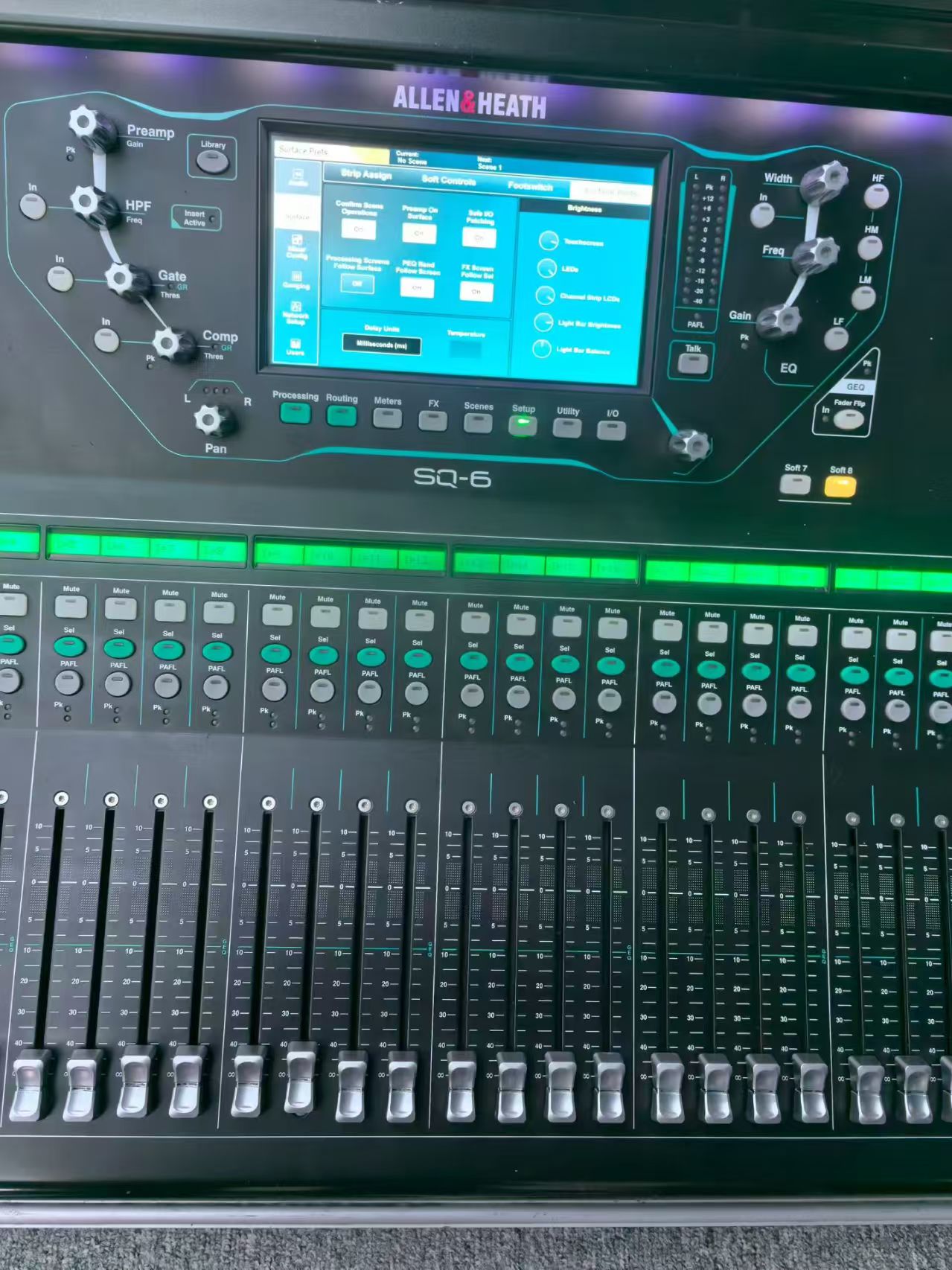
The CDJ-350 is a source component, so it needs a mixer and a sound system to be useful. In a KTV room, you might pair two CDJ-350s with a compact analog mixer and a pair of full-range speakers. For bars and clubs, you may run the CDJs into a digital mixer like the Allen & Heath SQ-6 or Soundcraft Vi1, which gives you more control over routing and processing. The SQ-6 is particularly popular for its ease of use and reliable firmware, and used units are available through our Allen & Heath SQ-6 product page.
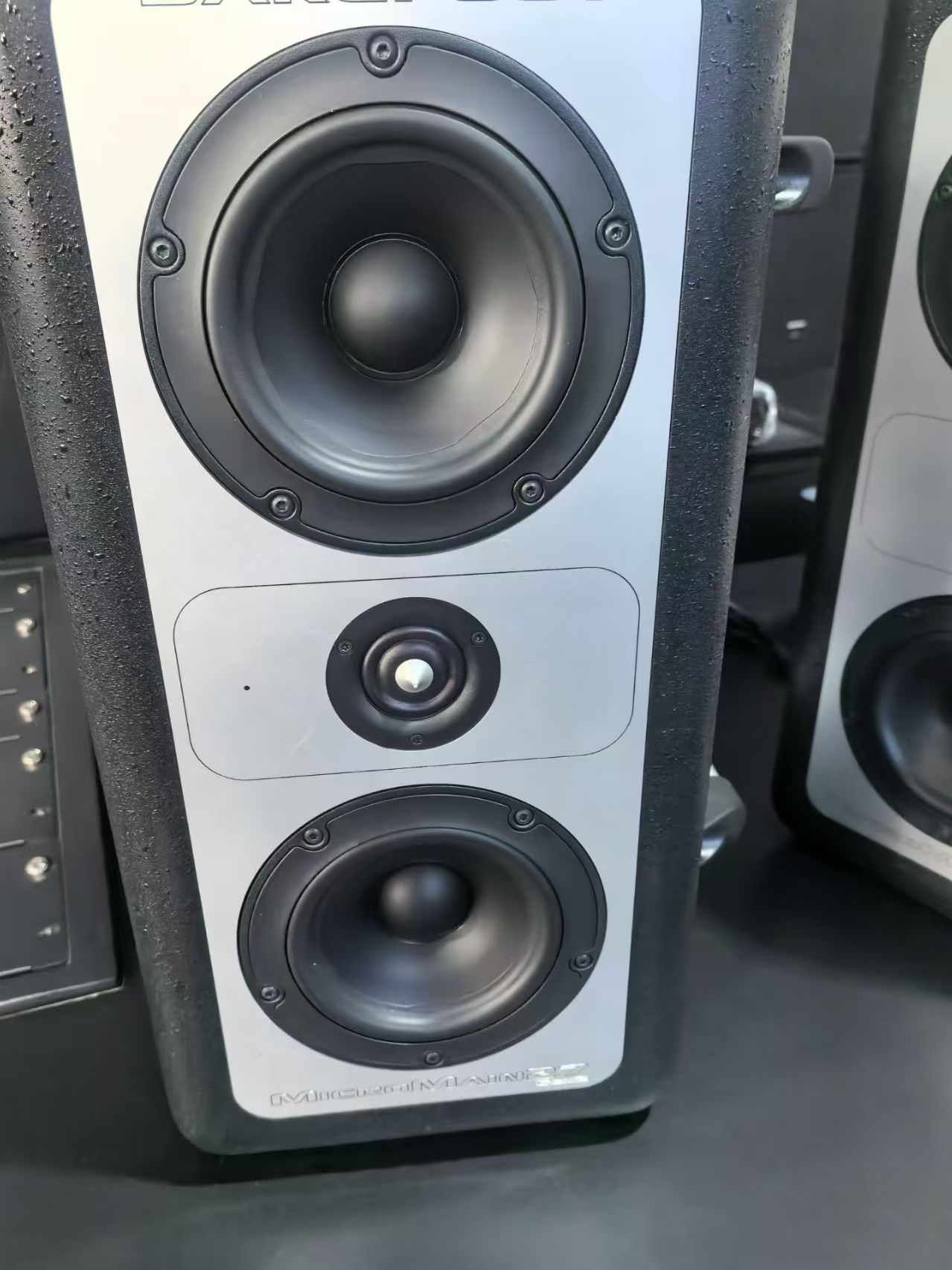
When matching speakers, consider the size of the room and the type of program material. KTV vocals need clear midrange, while DJ sets need strong low-end. A two-way full-range speaker can cover both if it is powered correctly. For larger spaces, you may add a subwoofer. Our two-way full-range PA speaker is a common choice for these setups. If you are building a complete KTV system, our KTV sound system solution outlines the components and signal flow.
Buying in Volume: What to Ask Your Supplier
When you are buying multiple CDJ-350s, ask specific questions. How were the units tested? Were they used in a fixed installation or on tour? Fixed installations tend to have less physical wear but more dust; touring units may have road case rash but better maintenance. Ask if the units are 100V, 120V, or 220-240V, or if they have universal power supplies. Voltage mismatches are a common problem when buying across regions.
Request a serial number list and photos of each unit. A reputable supplier will not hesitate to provide these. Ask about the return policy in case a unit fails on arrival. You should also clarify whether the units come with power cables and original boxes. For international shipping, proper packaging is critical—CDJ-350s are not heavy, but they are sensitive to impact.
If you are importing used audio equipment for the first time, our importing guide covers customs and logistics basics. For a deeper look at testing procedures, see our CDJ-350 buying guide.
Where to Find Tested Used CDJ-350s
Panda Acoustics supplies tested used professional audio equipment to B2B buyers. We do not list every unit we have in stock, because inventory changes quickly. If you are looking for CDJ-350s, contact us with your quantity and destination. We will tell you what is available, provide condition reports, and quote you accordingly. We do not publish prices online because volume, condition, and shipping destination all affect the final number.
We also carry a range of used mixers, speakers, and amplifiers that pair well with the CDJ-350. Browse our products page for current categories, or contact us directly with your requirements. If you are comparing digital mixers, our ranking of used digital mixing consoles can help you decide between the SQ-6, Vi1, and other options.
Buying used does not mean buying blind. With the right questions and a supplier who tests gear before it ships, you can build reliable systems without paying new prices. The CDJ-350 is a proven player—just make sure the ones you buy are proven too.