If you are searching for used line array speakers for sale in Nigeria on Jumia, you have probably noticed something: the listings are thin, the descriptions are vague, and most of what you find is budget home audio, not touring-grade PA. That is not a coincidence. Jumia is a general marketplace built for consumer goods, and professional line array systems rarely fit its model. The sellers who do list pro audio there are often resellers without test data, without service history, and without the ability to support a commercial installation.
For KTV operators, touring companies, bars, and clubs in Lagos, Abuja, Port Harcourt, and beyond, the real question is not where to click but how to buy without getting burned. This guide explains what you actually need to verify before spending money on used line array gear, and why serious buyers in Nigeria increasingly source directly from specialist suppliers rather than general e-commerce platforms.
Why Jumia Is a Weak Channel for Used Line Array
Jumia works well for phones, appliances, and accessories. It does not work well for used professional audio for three structural reasons. First, the catalog is consumer-focused, so commercial-grade line array boxes, subwoofers, and digital consoles appear rarely and inconsistently. Second, listings are usually posted by traders who did not own or operate the equipment, meaning they cannot answer basic questions about driver condition, amplifier status, or DSP presets. Third, the platform is not designed for the inspection and testing workflow that used pro audio requires.
When you buy a used line array box, you are not buying a sealed product. You are buying a mechanical and electronic assembly that may have been flown, transported, and driven hard for years. Condition matters more than the model name. A marketplace that does not support detailed condition disclosure puts the risk entirely on you.
What Nigerian Buyers Actually Need to Verify
Before any used line array purchase, you need documented answers to specific questions. Ask for photos of the actual drivers, not stock images. Request impedance and sweep test results for each box. Confirm whether the original factory presets are available, because without them the system will not perform as designed. Check the rigging hardware for deformation, corrosion, or missing pins. If the seller cannot provide these, you are buying blind.
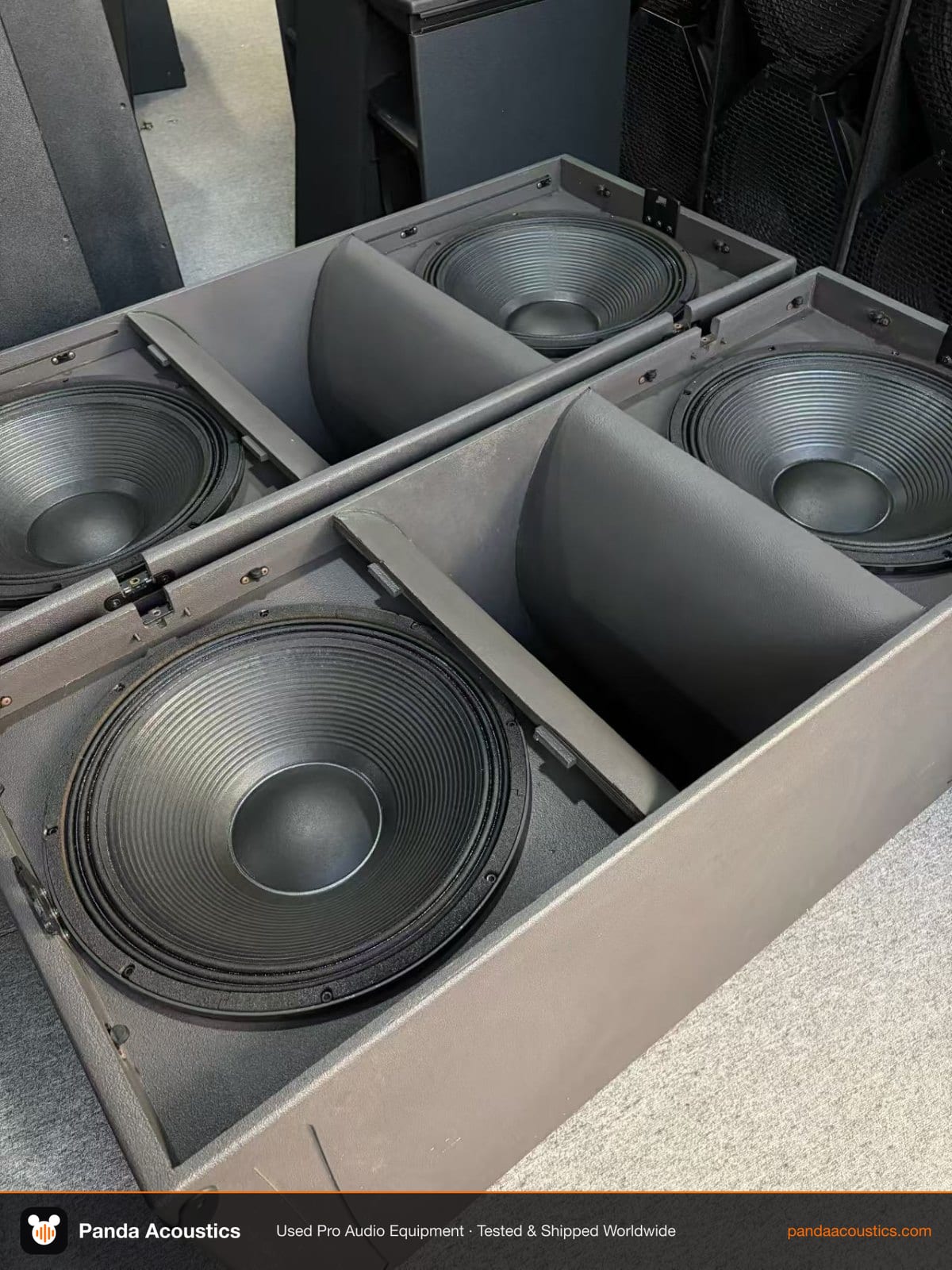
For subwoofers, the risks are different but equally serious. A used L-Acoustics KS28, for example, is a high-output cardioid subwoofer that depends on precise driver matching and amplifier alignment. If it was reconed with non-original parts, output and reliability drop. Ask for cone and spider photos, voice coil DC resistance readings, and a short video of the sub playing at moderate level. These are simple requests that separate real sellers from speculators. You can read more about this process in our used subwoofer testing guide.
Mixing Consoles and System Control
Line array speakers do not operate in isolation. You need a console and system processing that match the rig. Used digital mixers such as the Soundcraft Vi1 or Allen & Heath SQ-6 are common in Nigerian rental and installation inventories because they are reliable and well supported. When buying used, verify fader response, screen condition, and whether the firmware can be updated. For a comparison of these two desks, see our SQ-6 vs Vi1 breakdown.
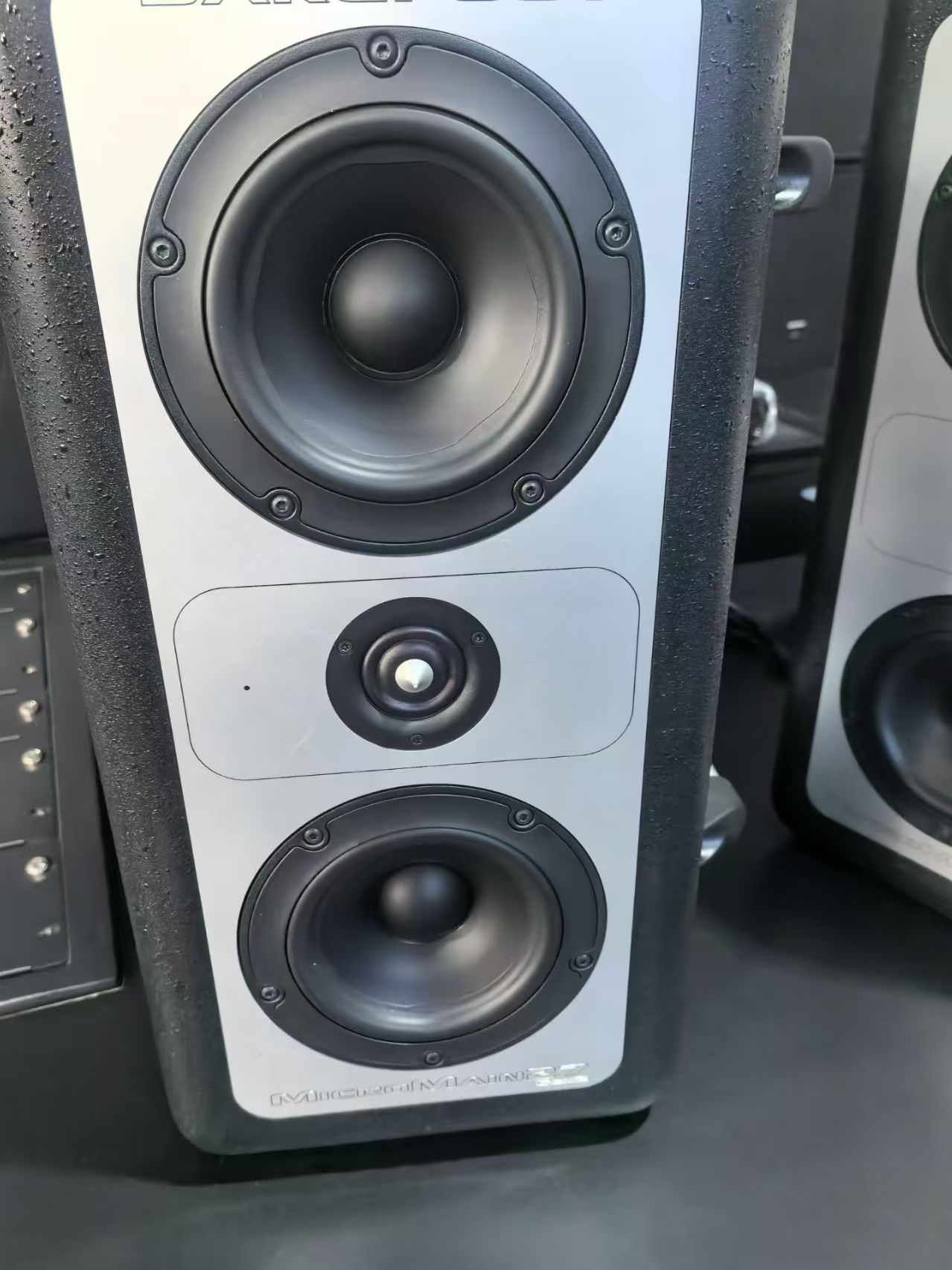
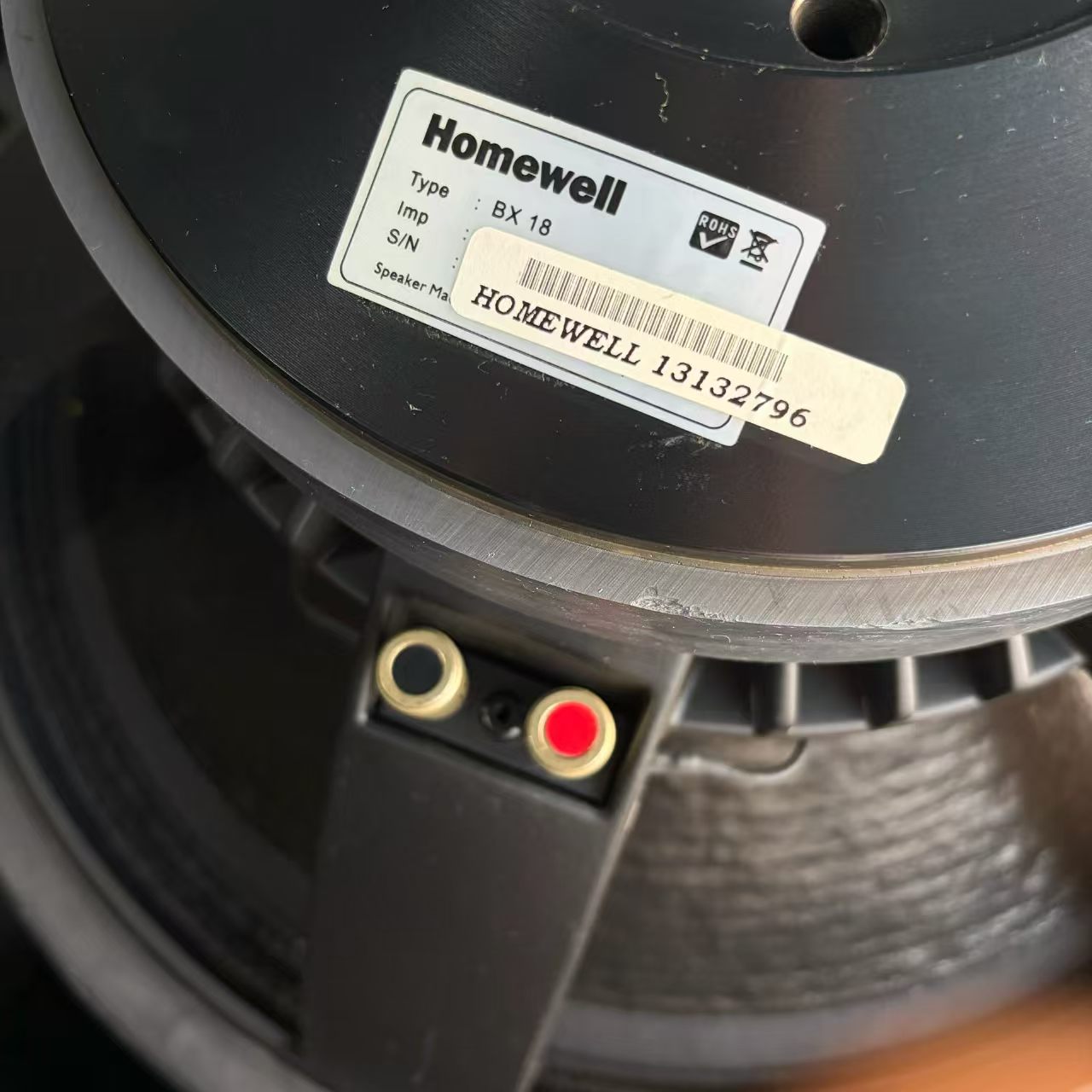
If your plan is a KTV room or a small club, a full line array may be overkill. A tested two-way full-range PA speaker or a Homewell BX18 loudspeaker unit can deliver the coverage you need at a lower total cost. The right choice depends on room size, ceiling height, and how loud you actually need to play. Our KTV speaker buying guide walks through that decision.
Importing Used Audio Gear into Nigeria
Most serious used line array stock does not originate in Nigeria. It comes from Europe, the Middle East, or Asia. That means you are managing freight, customs clearance, and inspection across borders. Work with a supplier who provides detailed condition reports before shipment, packs cabinets in flight cases or reinforced crates, and documents serial numbers. Never wire funds without a third-party inspection or a verified video test. Our importing used audio equipment guide covers the documentation and logistics side in more detail.
Currency and payment method also matter. Confirm whether the price is quoted in USD, EUR, or NGN, and who bears transfer fees. Ask what happens if a box arrives with a failed driver. A supplier with a clear policy on this is worth more than one with a slightly lower headline price.
A Practical Alternative to Marketplace Listings
Instead of scrolling Jumia for used line array speakers, work backward from the system you need. Decide the coverage, SPL target, and room type. Then source tested boxes from a supplier who can show you the test data and support the product after delivery. Panda Acoustics supplies tested used professional audio equipment to KTV operators, touring companies, and venues in Africa, the Middle East, Russia, and South America. We do not claim to be the biggest or the cheapest. We focus on accurate condition reporting and consistent stock.
If you are building a system, start with our used line array buyer guide and our inspection checklist. For Nigeria-specific sourcing, the Nigeria buyer guide covers local considerations. When you are ready to discuss specific models and quantities, contact us with your room details and we will tell you what is available and what condition it is in.