If you are equipping a KTV, bar, club, or touring rig, you need to know what concert speakers actually cost. The short answer: it depends. But not on marketing fluff—on real factors like brand, condition, and whether you are buying new or tested used. This guide breaks down the cost drivers so you can plan your budget with confidence.
New vs. Used: The Biggest Price Gap
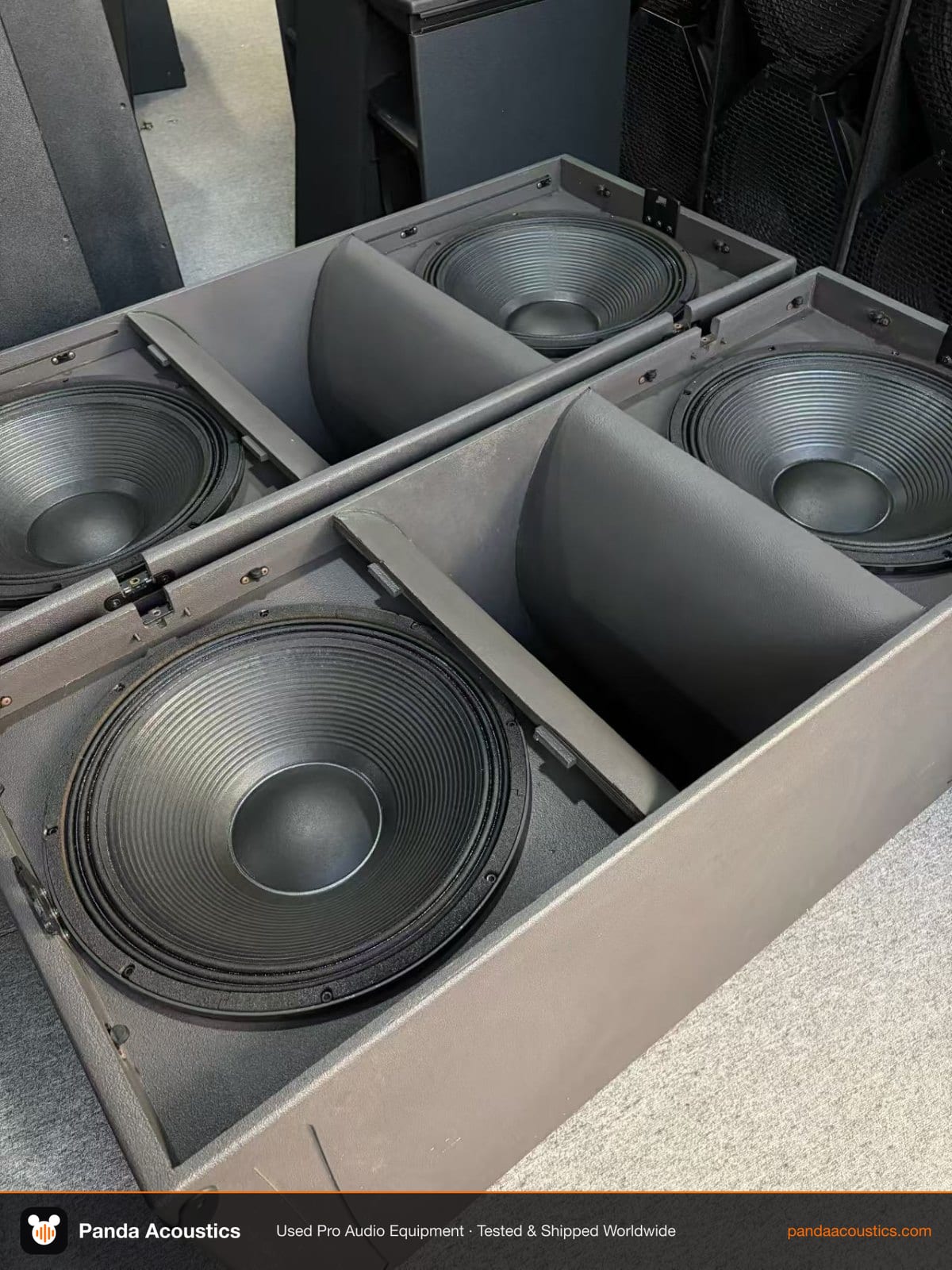
The single largest factor in concert speaker cost is whether you buy new or used. New line array boxes from top-tier brands can run into thousands of dollars per cabinet. A used L-Acoustics KS28 subwoofer, for example, will cost significantly less than a new one, but still commands a premium because of its reputation and performance. For budget-conscious buyers in Russia, the Middle East, South America, and Africa, tested used equipment offers a way to get professional-grade sound without the new-equipment markup. Just remember: used does not mean cheap junk. It means you are buying based on condition, not a glossy brochure.
What Drives the Price of a Concert Speaker?
Several key factors determine how much you will pay per speaker:
Brand and Model: Premium brands like L-Acoustics hold their value. A used KS28 subwoofer will cost more than a generic 18-inch sub because it delivers proven performance and rider acceptance. Similarly, a Soundcraft Vi1 digital mixer or an Allen & Heath SQ-6 will cost more than an off-brand console, but they are industry standards for a reason.
Condition and Age: A speaker that has been well-maintained and tested will cost more than one that has been abused. Always ask for test results, photos, and a history of use. At Panda Acoustics, every unit is tested before it leaves our warehouse, so you know what you are getting.
Configuration and Quantity: Buying a full system (tops, subs, amps, processing) often costs less per box than buying individual pieces. If you are outfitting a venue, a package deal can save you money. For large tours, you might need dozens of boxes, which affects total cost but also unit price.
Availability and Location: Prices fluctuate based on supply and demand. Certain models are harder to find, especially in specific regions. Shipping and import duties also add to the final cost, so factor those in when comparing offers from different suppliers.
Typical Price Ranges for Used Concert Speakers
While we cannot give exact quotes without knowing your specific needs, here is a general idea of what to expect in the used market:
- Entry-level full-range speakers: A used two-way full-range PA speaker might cost a few hundred dollars per box. These are suitable for small bars, KTV rooms, or as fill speakers.
- Mid-tier line array boxes: Expect to pay a few thousand dollars per box for used line array speakers from reputable brands. This includes models like the L-Acoustics KS28 subwoofer, which is a staple for concert sound.
- High-end touring systems: Complete used concert sound systems with amps, processing, and rigging can run into tens of thousands of dollars. The per-box price might be higher for rare or flagship models.
Remember, these are ballpark figures. The actual price depends on the specific model, condition, and negotiation. For a more detailed breakdown, see our guide on how much a concert sound system costs.
Where to Spend and Where to Save
Not all components are equal. If you are on a tight budget, consider these tips:
- Spend on speakers and amps: These define your sound quality and reliability. Cutting corners here will cost you in repairs and replacements.
- Save on mixers: A used digital mixer like the Allen & Heath SQ-6 or Soundcraft Vi1 can offer excellent value. They are often available at a fraction of their new price and still deliver professional results.
- Buy tested used: Purchasing from a reputable supplier that tests every unit ensures you are not buying someone else's problem. It may cost slightly more upfront but saves you headaches later.
How to Get an Accurate Quote
To get a real price for concert speakers, you need to provide specifics: model, quantity, condition requirements, and destination. Suppliers like Panda Acoustics can then check current inventory and give you a tailored quote. We do not publish fixed prices because the market changes daily. Instead, we work with you to find the right gear at a fair price. Contact us with your requirements and we will respond with options.
For more detailed buying advice, explore our B2B buying guide and inspection checklist.