You are buying used concert speakers for a KTV chain, a touring company, a club, or a rental house. The money is real, the freight is real, and the gear has to work on day one. This guide covers what to inspect, what to ask, and how to avoid the most common mistakes when buying used line arrays, subwoofers, and full-range cabinets in volume.
Start With the Application, Not the Brand
A concert system for a 2,000-capacity club in Lagos has different demands than a KTV room in Moscow or a touring rig in Riyadh. Before you look at any listing, write down three things: the largest room you will cover, the type of program (live band, DJ, KTV playback), and how the gear will be transported. A used line array that sounds excellent in a fixed install may be the wrong choice if you load in and out every night. Conversely, a heavy subwoofer cabinet that never moves can be a great value because you are not paying for road-ready hardware you do not need.
If you are building a KTV system, the priorities are vocal clarity and reliable midrange, not maximum SPL. For touring and concert work, you need cabinets that can be flown or stacked safely and that have documented power handling. For bars and clubs, a combination of full-range tops and subwoofers usually covers more ground than a single large array. The KTV sound system, concert touring system, and bar and club sound system pages outline typical configurations.
What “Tested Used” Actually Means
Every seller claims their used concert speakers are tested. Ask what the test included. A meaningful test for a loudspeaker cabinet covers at least four things: driver impedance and free-air movement, a sweep or pink-noise run at moderate level to check for rubbing or buzzing, a visual inspection of the cone, surround, and spider, and a check of the cabinet, grille, and connectors. For subwoofers, add a low-frequency sweep to confirm the driver does not bottom out or produce mechanical noise. For full-range boxes, check each component separately if the cabinet is bi-ampable.
Ask for the test report in writing, with the date, the technician, and the equipment used. Photos and short videos are useful, but a written record is what protects you if a cabinet arrives dead. If a seller cannot describe how they tested a used L-Acoustics KS28 or a two-way full-range cabinet, treat the condition claim as unverified. The subwoofer testing guide and the line array inspection checklist go deeper into the process.
Real Products and What to Look For
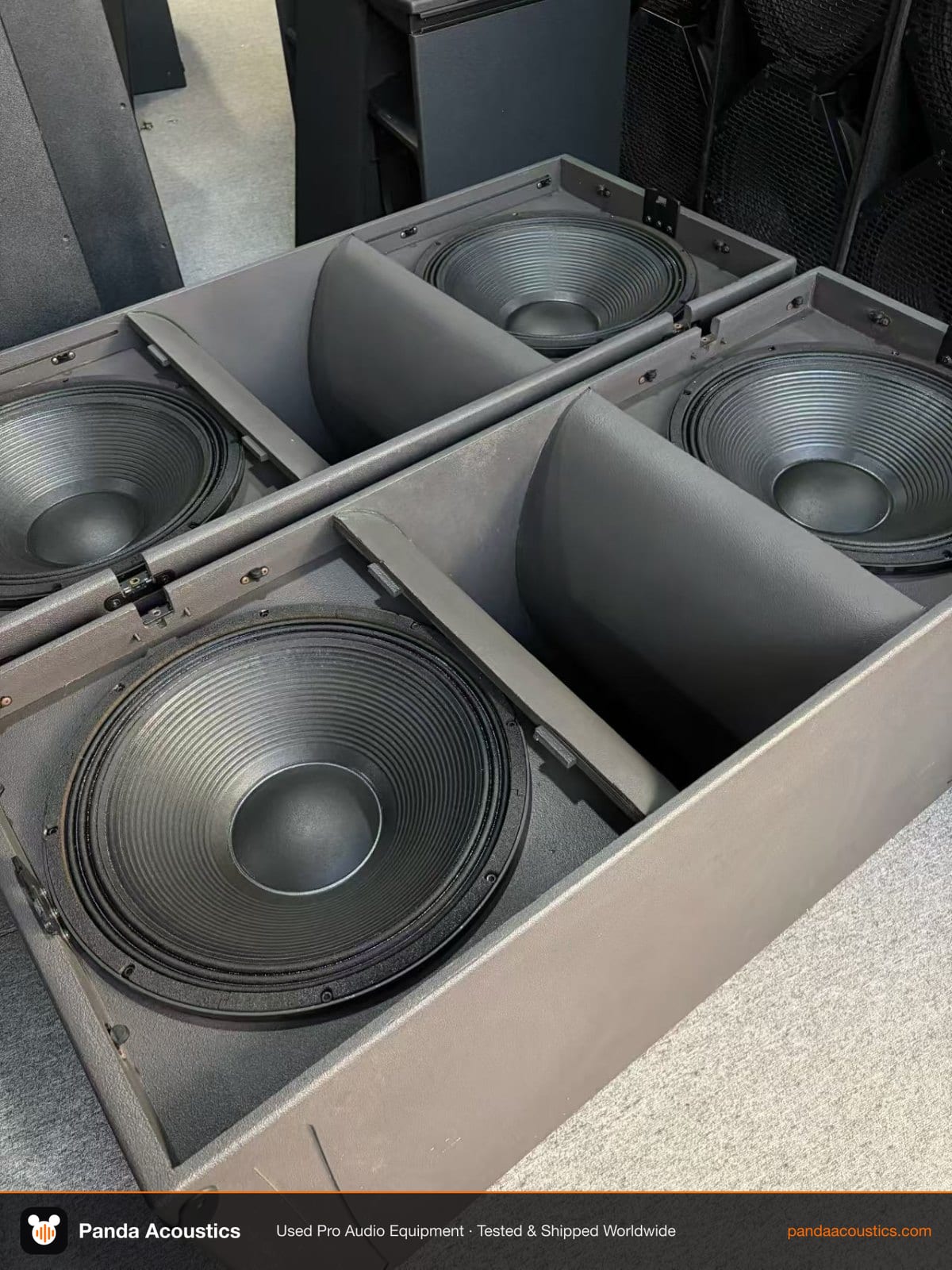
Concert and touring buyers frequently ask about the L-Acoustics KS28 subwoofer. It is a high-output subwoofer designed for large systems, and used units vary widely in condition because they have often been on the road. Inspect the driver, the cabinet bracing, and the rigging points. Ask whether the cabinet has been re-coned and, if so, with what parts. A re-cone is not automatically bad, but mismatched components can change performance.
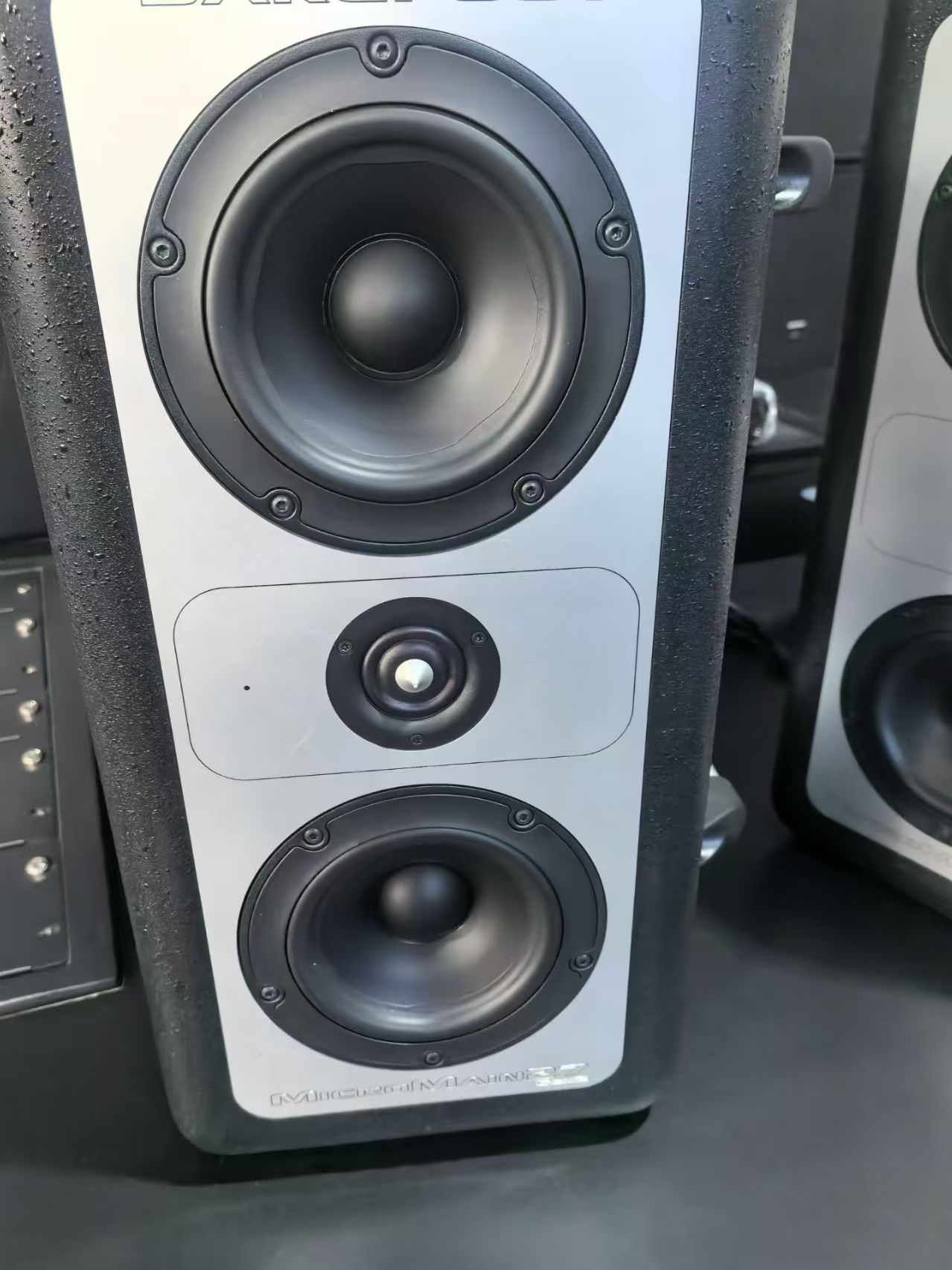
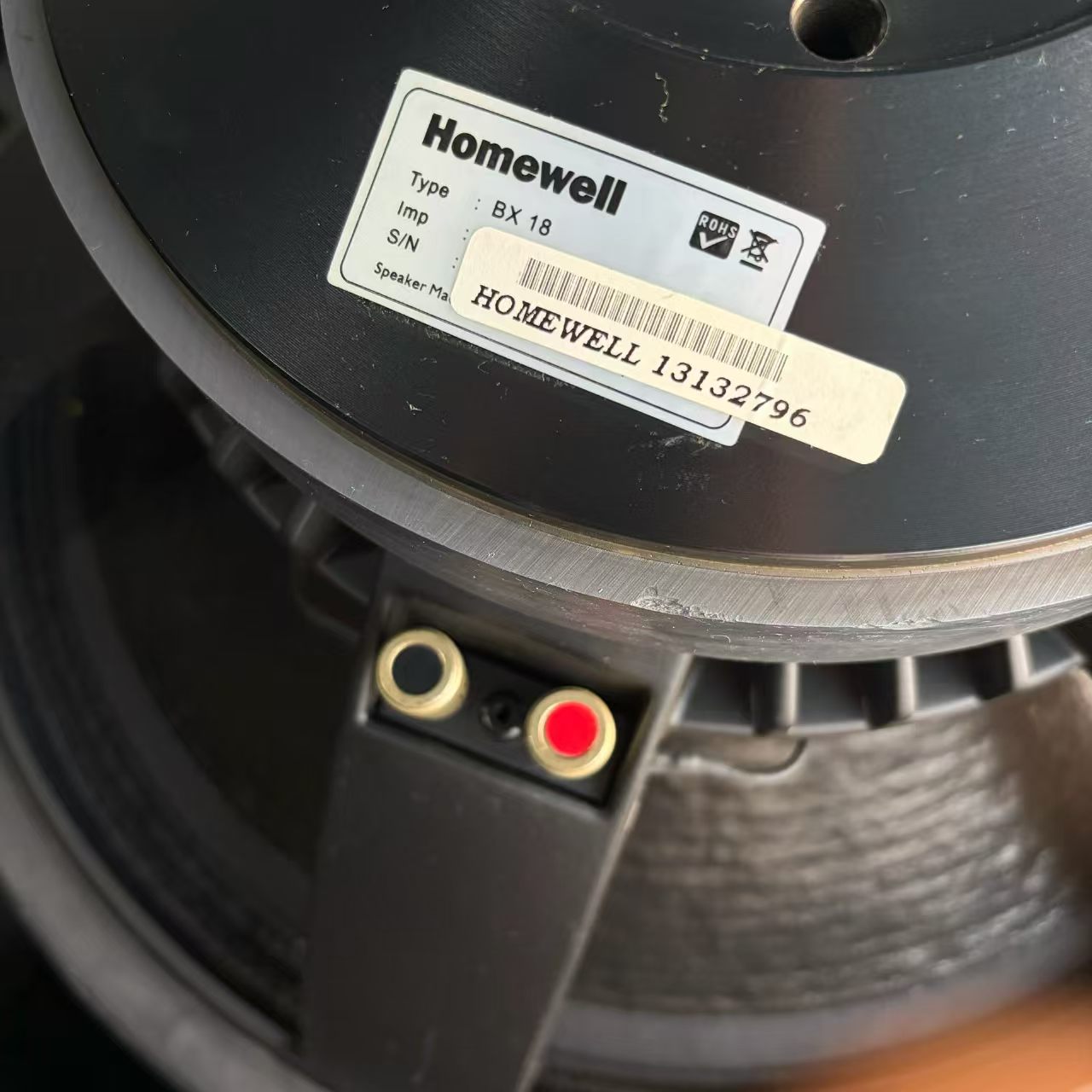
For mid-sized touring and club systems, the two-way full-range PA speaker is a common building block. Check the horn, the compression driver, and the woofer separately. If the cabinet has a passive crossover, ask whether it has been serviced. The Homewell BX18 loudspeaker unit is another option for buyers who need a straightforward box for install or rental stock; verify the driver model and the cabinet condition before committing.
Do not ignore the rest of the signal chain. A used concert system is only as good as its console and processing. The Soundcraft Vi1 digital mixing console and the Allen & Heath SQ-6 digital mixer are both common in touring and install racks. Ask for the firmware version, the number of working channels, and whether the faders and encoders have been tested. The SQ-6 vs Vi1 comparison and the used digital console guide can help you decide which platform fits your workflow.
Condition, History, and Paperwork
Ask for the history of the gear. Was it used in a fixed install or on tour? Fixed-install gear usually has less physical wear but may have been run continuously. Touring gear has more handling damage but may have been maintained on a schedule. Neither is automatically better; the point is to match the history to your use case.
Request photos of the serial number plates, the connectors, the rigging hardware, and any repaired areas. For flown systems, the rigging hardware is a safety item. Do not accept “it looks fine” as an answer. If the seller cannot provide clear photos of the fly bars, shackles, and cabinet attachment points, walk away or budget for replacement hardware.
Paperwork matters for importing used audio equipment. Depending on your country, you may need an invoice, a packing list, and a statement of origin. The importing used audio equipment guide covers the general process. Do not assume the seller knows your country’s rules; confirm the documents you need before you pay.
Pricing, Volume, and Negotiation
Used concert speaker prices depend on model, condition, quantity, and location. There is no single market price. Compare several listings for the same model and note what is included: rigging, covers, cables, and processing can change the value significantly. When you buy in volume, ask for a breakdown by unit and by accessory. A lower unit price with no rigging may cost more in the end than a higher price with complete hardware.
Do not negotiate on price alone. Negotiate on scope: what is tested, what is replaced, what is packed, and what documentation is provided. If a seller will not put the test scope in writing, the discount is not worth the risk. For more on volume buying, see the used PA speakers wholesale guide and the line array price per box discussion.
Before You Pay
Confirm the shipping method and who handles insurance. Used speakers are heavy and easily damaged in transit. Ask how the cabinets will be packed—original flight cases, custom crates, or pallets with foam. If the seller cannot describe the packing, assume the worst and budget for replacements.
Finally, decide who will test the gear on arrival. If you do not have a technician, arrange for one before the shipment lands. A used concert speaker that fails on day one is a problem, but a failed speaker that sits in a warehouse for a month is a bigger one. If you need help matching a system to your venue, the contact page is the place to start. You can also browse the full products catalog and the knowledge base for more buying guides.