The Pioneer CDJ-350 is a compact, entry-level digital media player that has been out of production for years, which is exactly why the used market is where volume buyers in Russia, the Middle East, South America and Africa still find them. It reads USB drives and CDs, plays MP3, AAC, WAV and AIFF, and links to other players over Pioneer's Pro DJ Link. For a KTV room, a small bar booth or a backup deck in a touring rack, it does a specific job. The question is whether the specific unit in front of you still does that job after years of club use.
Why the CDJ-350 still moves in volume
Operators buy it for two reasons. First, it is simple: fewer menus, fewer failure points than a flagship deck, and staff learn it in an afternoon. Second, it is cheap enough to deploy across many rooms without tying up capital. That logic only holds if the units are genuinely tested. A CDJ-350 with a worn jog wheel, a dead USB port or a drifting tempo fader will generate complaints in a KTV room within a week. Since Pioneer no longer services this model, parts availability is limited, so condition at the point of purchase is the whole game. Ask your supplier what was actually tested and how, not just whether it powers on.
What to inspect on every unit
Start with the transport. Load a CD and a USB stick with files you brought yourself, and confirm the deck reads both, cues cleanly and holds pitch. Check the jog wheel for wobble and for the touch sensitivity that scratches and cue-point work depend on. Run the tempo fader through its full range and watch for jumps. Test every button, especially cue, play and the loop controls, because sticky buttons are common on units that lived in a smoky booth. Look at the display for dead segments. On the back, inspect the RCA outputs and the digital out for bent or loose connectors, and confirm the Pro DJ Link port works if you plan to chain decks. Cosmetic scratches matter less than a clean fader and a responsive jog.
Buying quantity without buying blind
Most of our buyers are not purchasing one deck. They are outfitting a venue or restocking rental inventory, and they want a consistent batch. Ask for photos of the actual units, not stock images, and request a short video of each deck powering up, reading media and moving through the tempo range. If a supplier cannot show you the specific serial numbers you will receive, treat that as a warning. For cross-border orders, confirm the voltage and plug type your destination needs, and ask how the units are packed for sea or air freight. A tested deck that arrives with a cracked faceplate is a loss. Our importing used audio equipment guide covers the paperwork side in more detail.
Building the rest of the signal chain
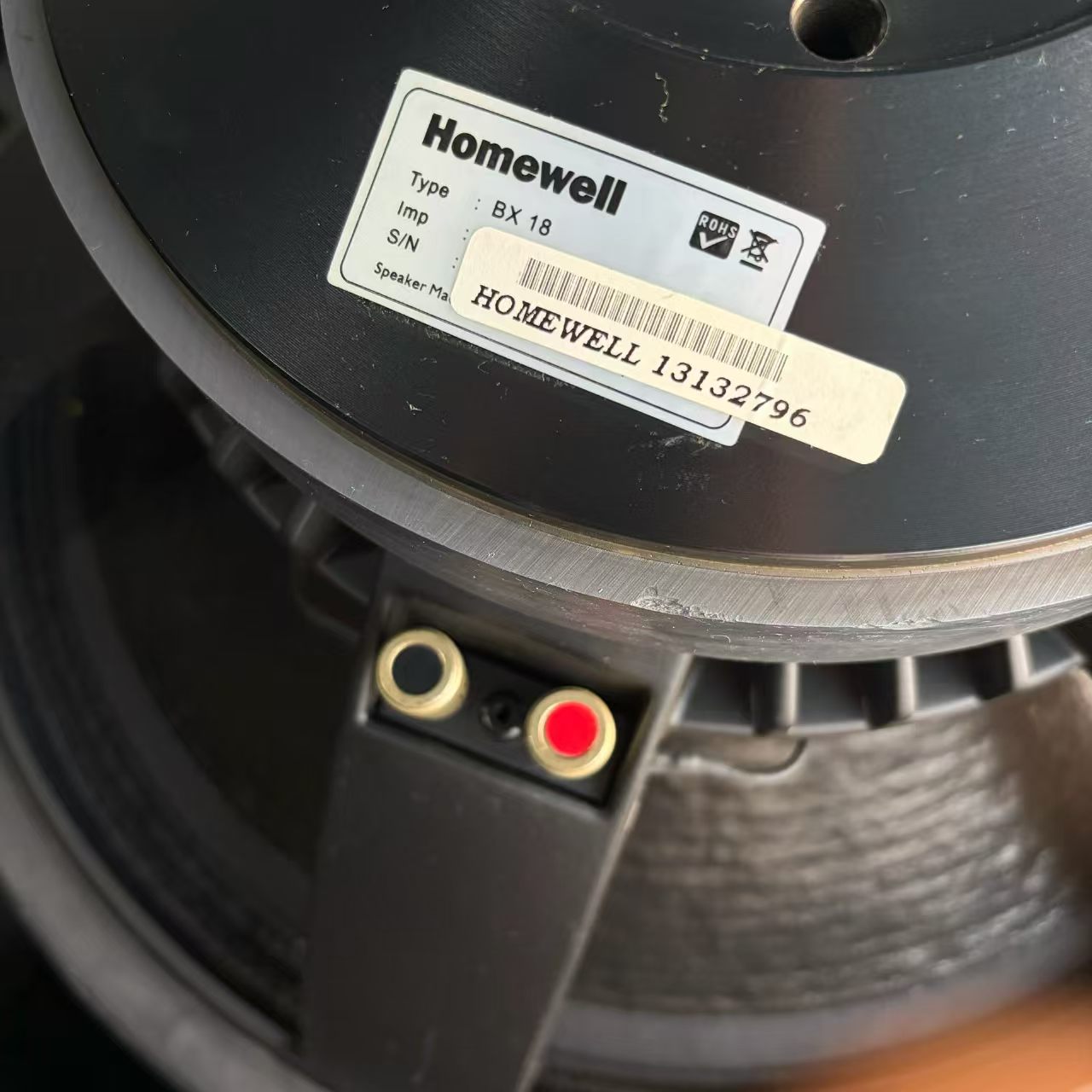
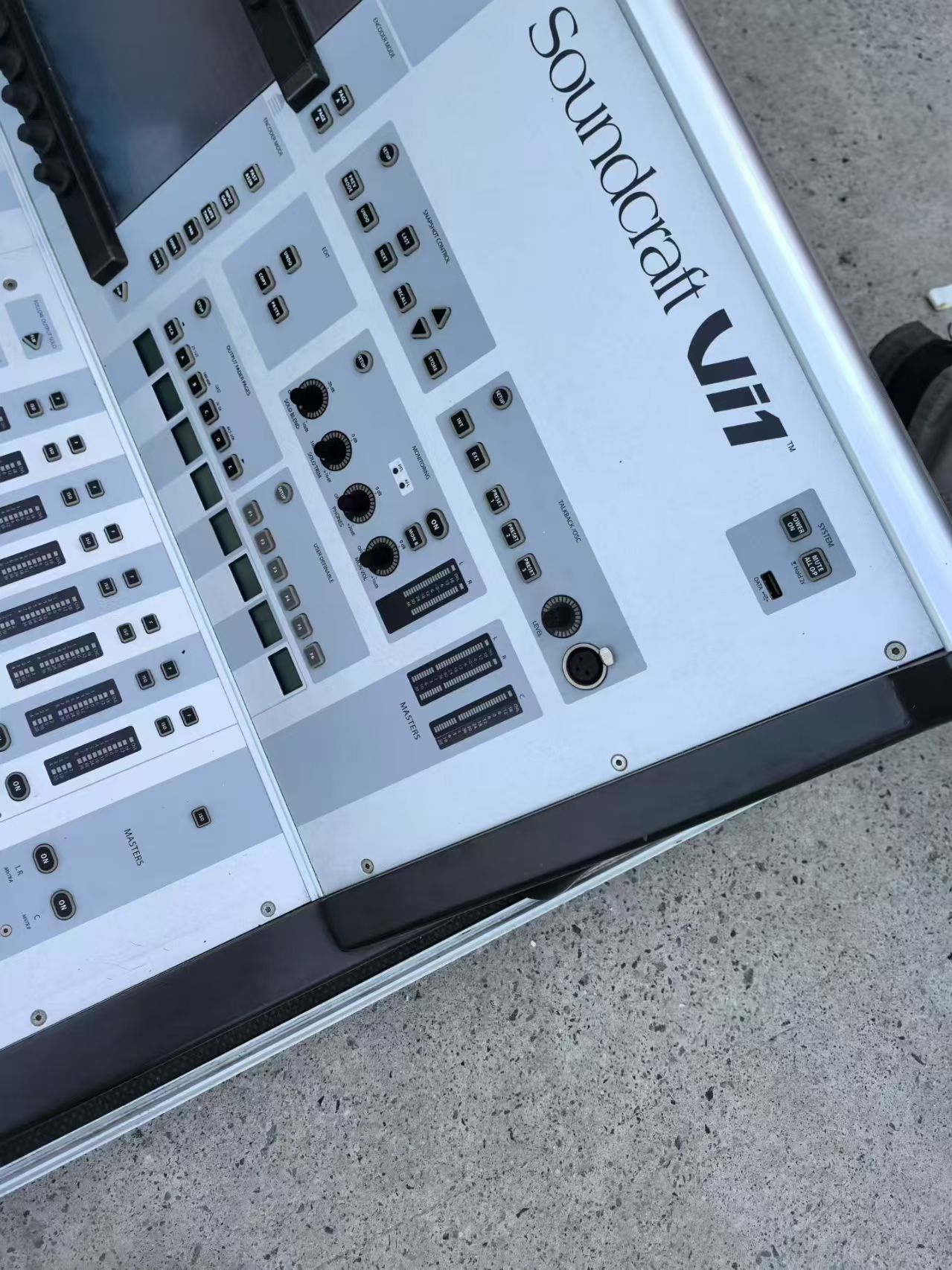
The CDJ-350 is a source, not a system. In a KTV room it usually feeds a mixer and then amplification into speakers, and the mixer choice affects how much you get out of the deck. If you are specifying a room from scratch, pair the players with a console that matches your operator skill level. A compact digital desk such as the Allen & Heath SQ-6 suits a bar or small club where you want scene recall and multiple inputs, while a Soundcraft Vi1 fits larger touring and venue work. For rooms where simplicity wins, a straightforward analog-style front end is often the better call. On the output side, match the room: a two-way full-range PA speaker covers a small KTV or bar, and a Homewell BX18 loudspeaker unit handles larger rooms where you need more low-end weight. If you are building a full KTV sound system or a bar and club system, spec the whole chain, not just the decks.
Setting expectations on price and support
We do not publish a fixed price for used CDJ-350 units because condition, batch size and destination all move the number. The honest approach is to tell us how many units you need, where they are going and what condition grade you can accept, and we quote against actual tested stock. The same applies to service: because these decks are discontinued, assume you are buying tested used gear with no factory warranty, and plan a small spares budget for faders and jogs. Buyers who accept that reality and inspect properly get years of service out of a batch. Buyers who chase the lowest headline number usually end up replacing units within months.
A short pre-purchase checklist
Before you commit to a container or a pallet, confirm the following in writing: the exact units and serials, what tests were performed, whether media was read from both USB and CD, the cosmetic grade, the packing method, and the voltage configuration. Then decide whether the deck fits your room design. If you are also weighing newer or larger players, our used Pioneer CDJ buying guide and the used Pioneer DJ equipment overview put the 350 in context against other models. When you are ready to talk volume, send your room count and destination through our contact page and we will tell you what is actually in stock.