If you are sourcing second hand Pioneer CDJ-350 units for a KTV chain, bar, or rental fleet, the challenge is not finding listings. It is finding units that still work after years of club use. The CDJ-350 is a compact media player that accepts USB drives, CDs, and software via MIDI. It was never a flagship, but it is simple, rugged, and easy to repair. That makes it a reasonable choice for high-volume installs where you need reliable playback without the cost of a CDJ-2000 or CDJ-3000.
What to Check Before You Commit
Never buy a CDJ-350 based on photos alone. Ask for a short video showing the unit powering on, loading a USB stick, and playing a track through both the analog RCA and digital outputs. Listen for mechanical noise from the CD slot and check that the jog wheel responds smoothly without dead spots. The display should be bright with no missing segments. Buttons must click firmly; mushy or sticky buttons usually mean spilled drinks or heavy smoke exposure. On the back, inspect the RCA jacks for cracks and the USB port for bent pins. If the seller cannot provide a video, treat the unit as non-working.
For bulk orders, request a sample unit first. Test it for at least a full day under continuous playback. Check the power supply brick for overheating and the pitch fader for accurate response. If you are buying ten or more units, ask the supplier to confirm that they have tested every unit individually, not just a random sample. A supplier who cannot describe their test process is a risk.
Why B2B Buyers Still Choose the CDJ-350
The CDJ-350 is popular in KTV rooms because it is small, easy to operate, and does not require a laptop. It also works well as a backup player in a club booth. Unlike newer models, it does not rely on complex network features or touchscreens that fail in humid or dusty environments. For touring sound companies, the CDJ-350 can serve as a dependable source for background music or as a spare during events. Its limitations are real: no link mode, no advanced waveforms, and limited file support. But for straightforward playback, it does the job.
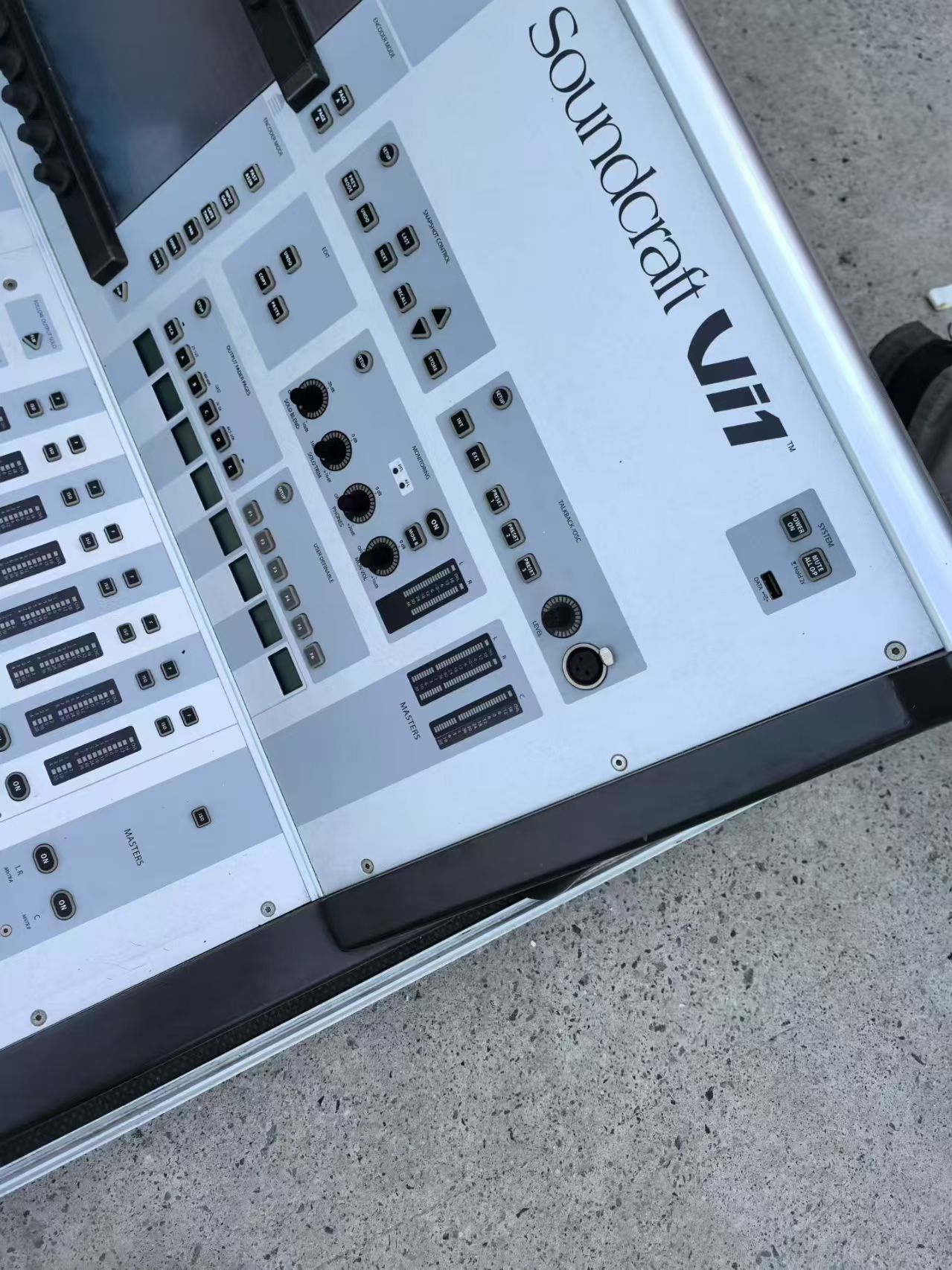
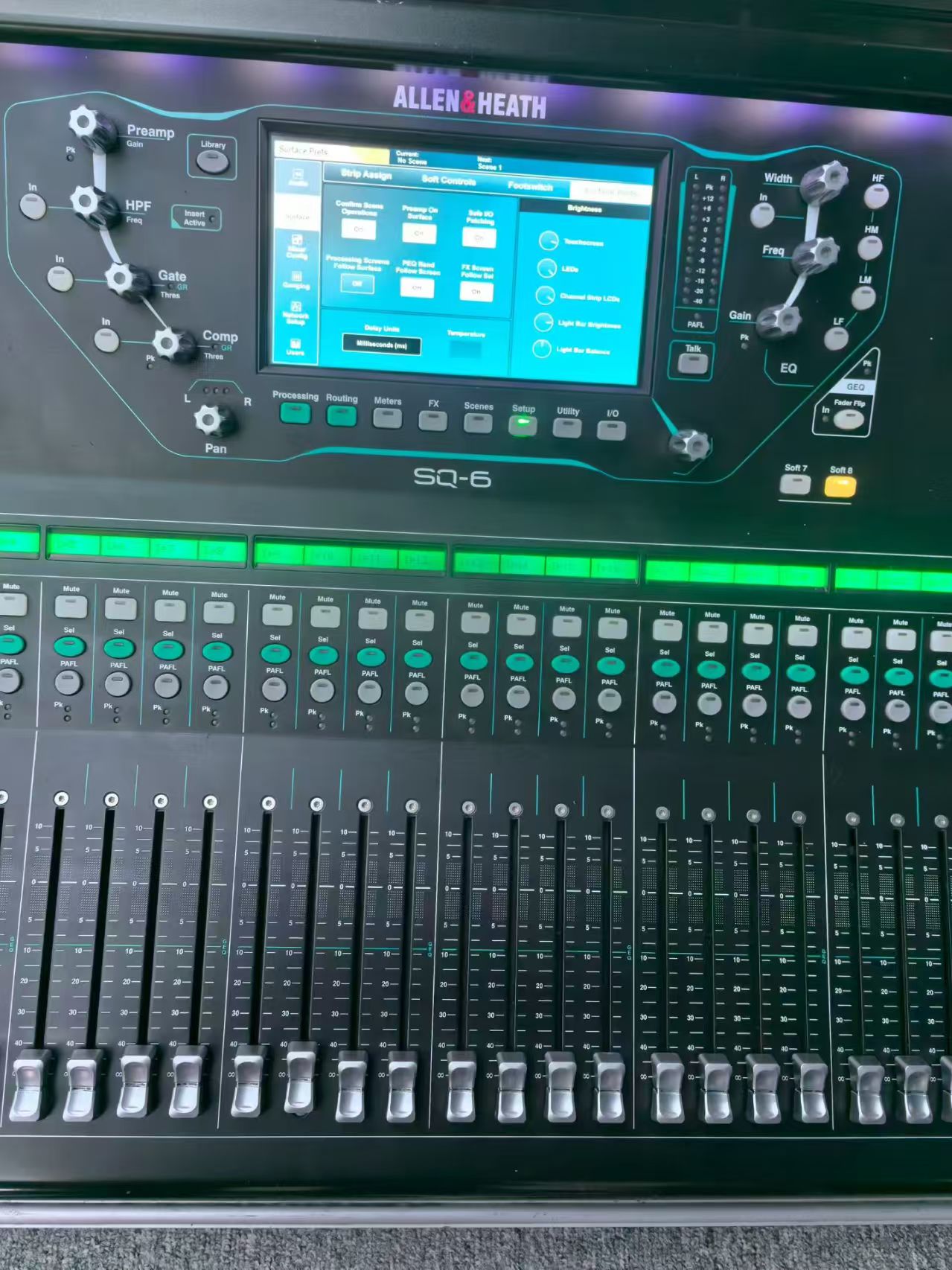
If you are building a complete KTV or bar system, pair the CDJ-350 with a reliable analog mixer. The Allen & Heath SQ-6 is a digital mixer that offers more routing and processing than a typical DJ mixer, but it is better suited to live sound than DJ booths. For DJ use, a simple two-channel mixer is usually enough. If you need a digital console for a hybrid setup, the Soundcraft Vi1 is another option, though it is larger and more expensive. For most KTV installs, the CDJ-350 plus a basic mixer and a pair of full-range speakers is a practical combination.
Speaker and Amplifier Matching
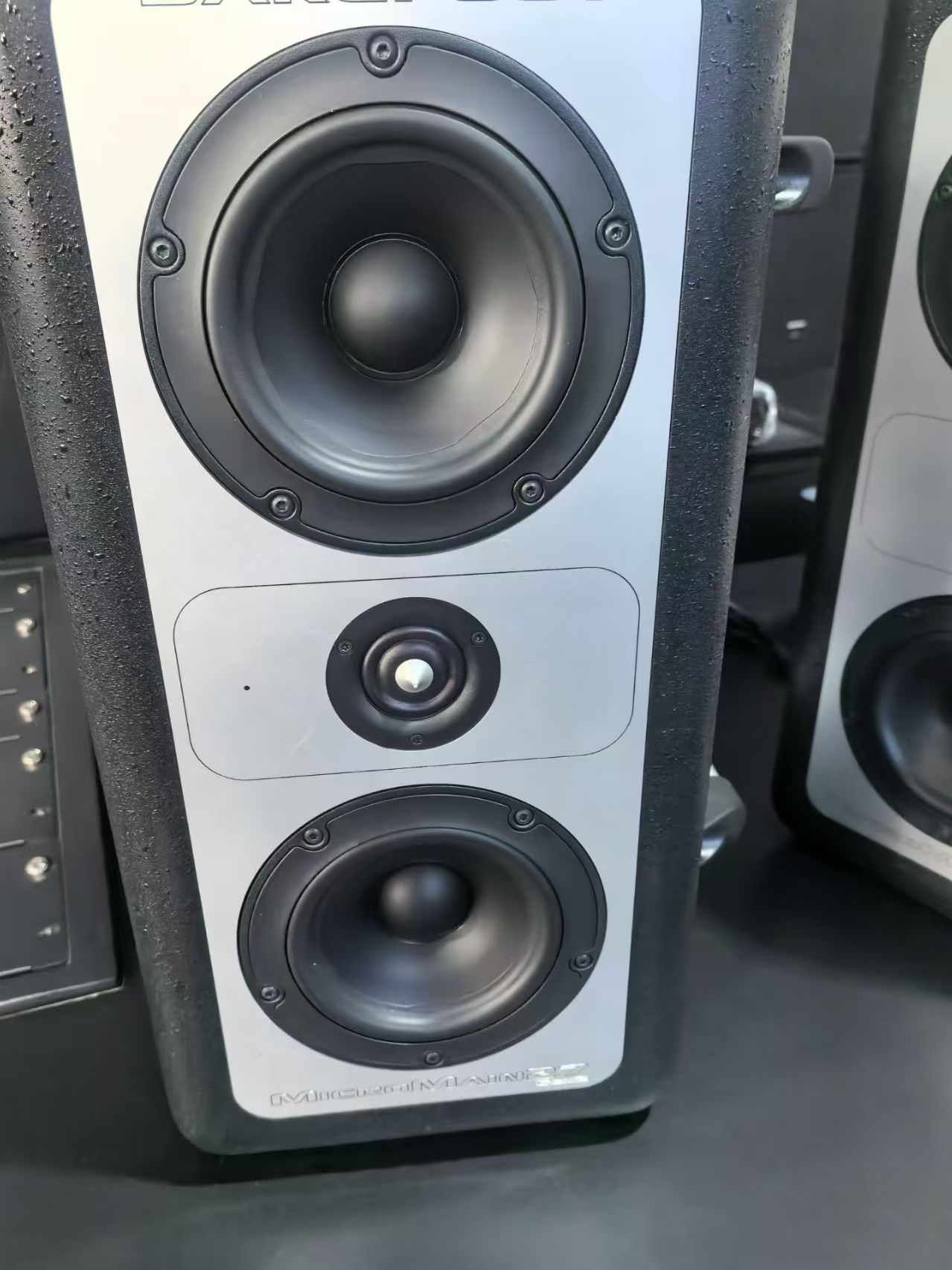
Do not overlook the rest of the signal chain. A used CDJ-350 will only sound as good as the speakers and amplifiers you connect it to. For KTV rooms, a two-way full-range speaker with a 12-inch or 15-inch woofer is common. If you are buying used speakers in volume, check the cones for tears and the cabinets for water damage. For bars and clubs, a subwoofer may be needed to reinforce low frequencies. The L-Acoustics KS28 is a professional subwoofer, but it is overkill for most KTV rooms. A more practical choice is a used 18-inch subwoofer from a reputable brand. Always test subwoofers with a sine sweep to detect voice coil rub or cabinet buzz.
When sourcing used speakers, ask for impedance and power handling specifications. Mismatched amplifiers can damage both the amp and the speakers. If you are unsure, consult a technician. For large venues, a line array system like the Meyer Sound MINA may be appropriate, but it requires proper rigging and processing. Most KTV and bar projects do not need line array.
Importing and Logistics
If you are buying from China or another country, confirm the voltage and plug type. The CDJ-350 is available in 100V, 120V, 220-240V versions. Ask the supplier to set the voltage correctly before shipping. For bulk orders, request that each unit is individually packed with foam or bubble wrap. Shipping costs for used audio equipment can be significant, so factor that into your budget. Also ask about customs documentation and whether the supplier has experience shipping to your region. Russia, the Middle East, South America, and Africa have different import rules. A supplier who regularly ships to your region will know the paperwork.
Payment terms matter. For a first order, use a method that offers some protection, such as a letter of credit or an escrow service. If you are buying from a marketplace, check the seller's history and reviews. For repeat orders, you may negotiate better terms, but never sacrifice testing for a lower price.
Alternatives to the CDJ-350
If you cannot find enough CDJ-350 units in good condition, consider the CDJ-900 or CDJ-2000 Nexus. They cost more but offer more features. For KTV, a used DJ controller might be a better fit if you want something more compact. However, controllers often have more plastic parts and may not survive heavy use. The CDJ-350 remains a solid choice for budget-conscious buyers who need a standalone player.
Before you buy, read our detailed guide on used Pioneer CDJ-350 for sale for additional inspection tips. If you are also considering digital mixers, see our comparison of the Allen & Heath SQ-6 vs Soundcraft Vi1. For a full list of used audio equipment, visit our products page.