If you operate a KTV chain, a bar, or a touring sound company, you already know that Pioneer DJ mixers hold up well in heavy use. But when you are buying used units in bulk, the difference between a good batch and a bad one comes down to inspection discipline. This guide covers what to check before you wire money, based on how these mixers actually fail in the field.
Which Pioneer DJ Mixer Models Make Sense for Volume Buyers
The most common models that move through the secondary market are the DJM series: DJM-900NXS2, DJM-750, DJM-450, and the older DJM-800. For KTV and bar installs, the DJM-450 and DJM-750 are often enough if you only need a few channels and basic effects. For touring and club use, the DJM-900NXS2 is the workhorse because it has digital outputs, good headroom, and parts are still available in most regions.
Be careful with very old models where the power supply or DSP board is no longer produced. A cheap unit that cannot be repaired is not cheap. Ask the seller for the exact model number and serial prefix, then check whether that revision has known issues with the display or the USB board.
What to Inspect on a Used Pioneer DJ Mixer
Before you commit to a batch, ask for a video that shows the following, with the unit powered on and audio connected:
1. Every channel fader and crossfader: move them slowly from top to bottom. Listen for crackle or dropouts. On Pioneer mixers, fader replacement is common but not always cheap, so a noisy fader means either a discount or a pass.
2. Phono and line inputs: connect a known-good source to each input and confirm both left and right channels are clear. Ground hum on phono inputs often means a damaged grounding lug or a failing op-amp.
3. EQ and filter knobs: turn each one fully left and right. Scratchy pots are a sign of dust or wear. In a KTV environment, these get abused, so check every knob.
4. Effects section: engage each effect and confirm the parameter knobs change the sound. On the DJM-900NXS2, check that the beat effect syncs correctly to the BPM.
5. Display and indicators: look for dead pixels or flickering LEDs. A failing display is a common issue on older units and can be expensive to replace.
6. Power supply and IEC socket: wiggle the power cable. If the unit cuts out, the socket may be loose or the internal power board may have cold solder joints.
If you cannot get a video, ask for a return agreement in writing. For volume orders, a small deposit to hold the units while you arrange an inspection is normal, but never pay the full amount before you see them powered on.
How to Test a Used Pioneer DJ Mixer Before Shipping
If you are buying from overseas, you cannot always inspect in person. In that case, hire a local technician to do a bench test. The test should include a tone generator on every input, a listen on the master and booth outputs, and a check of the record output. Ask for a short video of the test, not just a photo of the unit.
For KTV and bar installations, also test the microphone input. Many Pioneer DJ mixers have a dedicated mic channel with talkover. Confirm that the talkover ducking works and that the mic preamp is not noisy. In a KTV room, a noisy mic channel will be a constant complaint.
If you are buying a batch, test one unit thoroughly and then spot-check the rest. Ask the seller to number each unit and keep the same unit on camera throughout the test so you know which one you are looking at.
Pricing and Condition: What Drives the Number
Used Pioneer DJ mixer prices vary widely based on condition, included accessories, and whether the original box and power supply are present. A unit with a worn crossfader but otherwise clean boards will be priced lower than a unit that has been serviced. Do not assume that a low price means a good deal; factor in the cost of a replacement fader or a full recap if the unit is old.
For volume buyers, ask for a price break at a specific quantity. Most sellers will negotiate, but they will not commit to a number until they know the exact models and quantities. Be clear about what you need and what you are willing to accept.
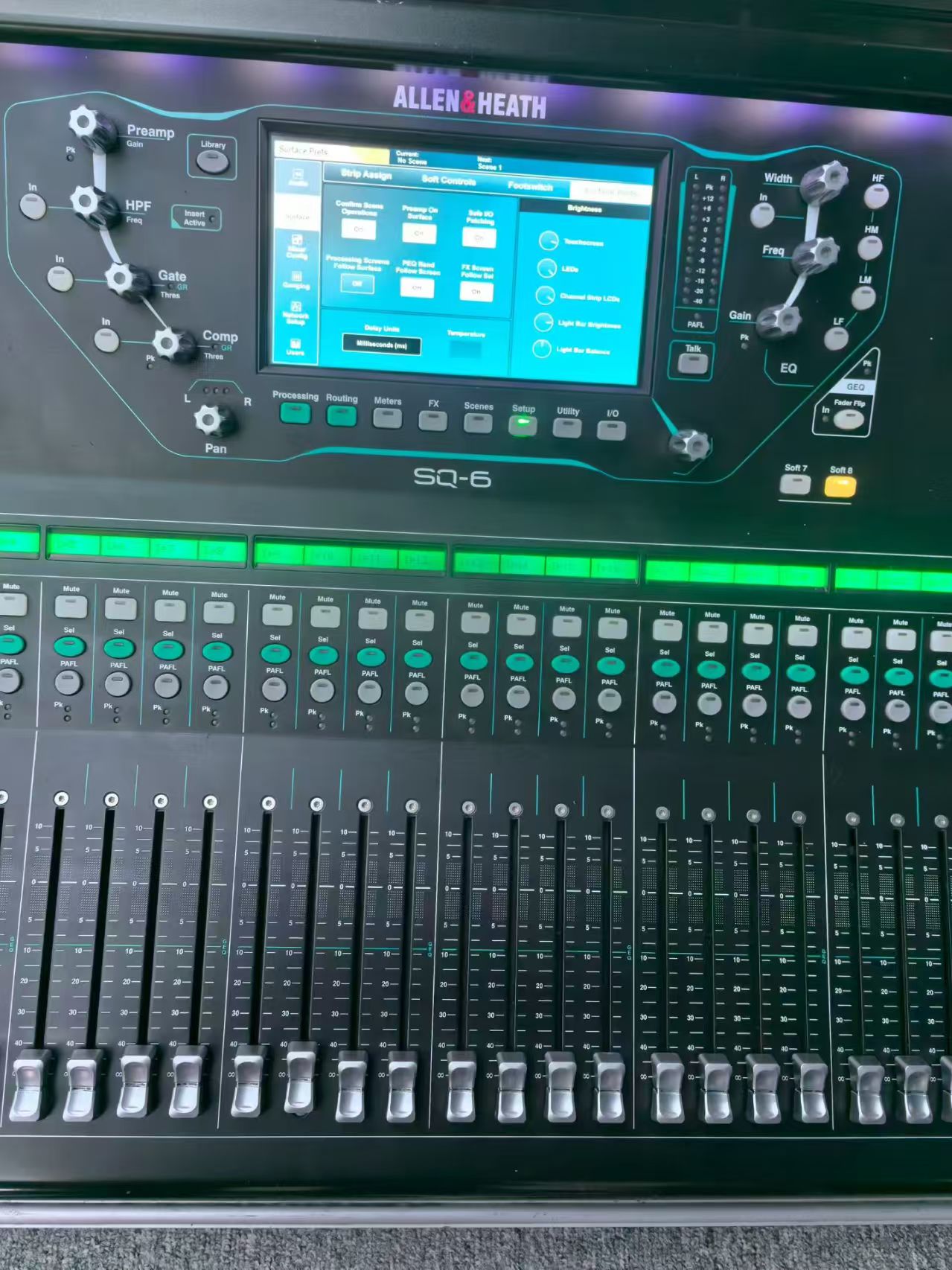
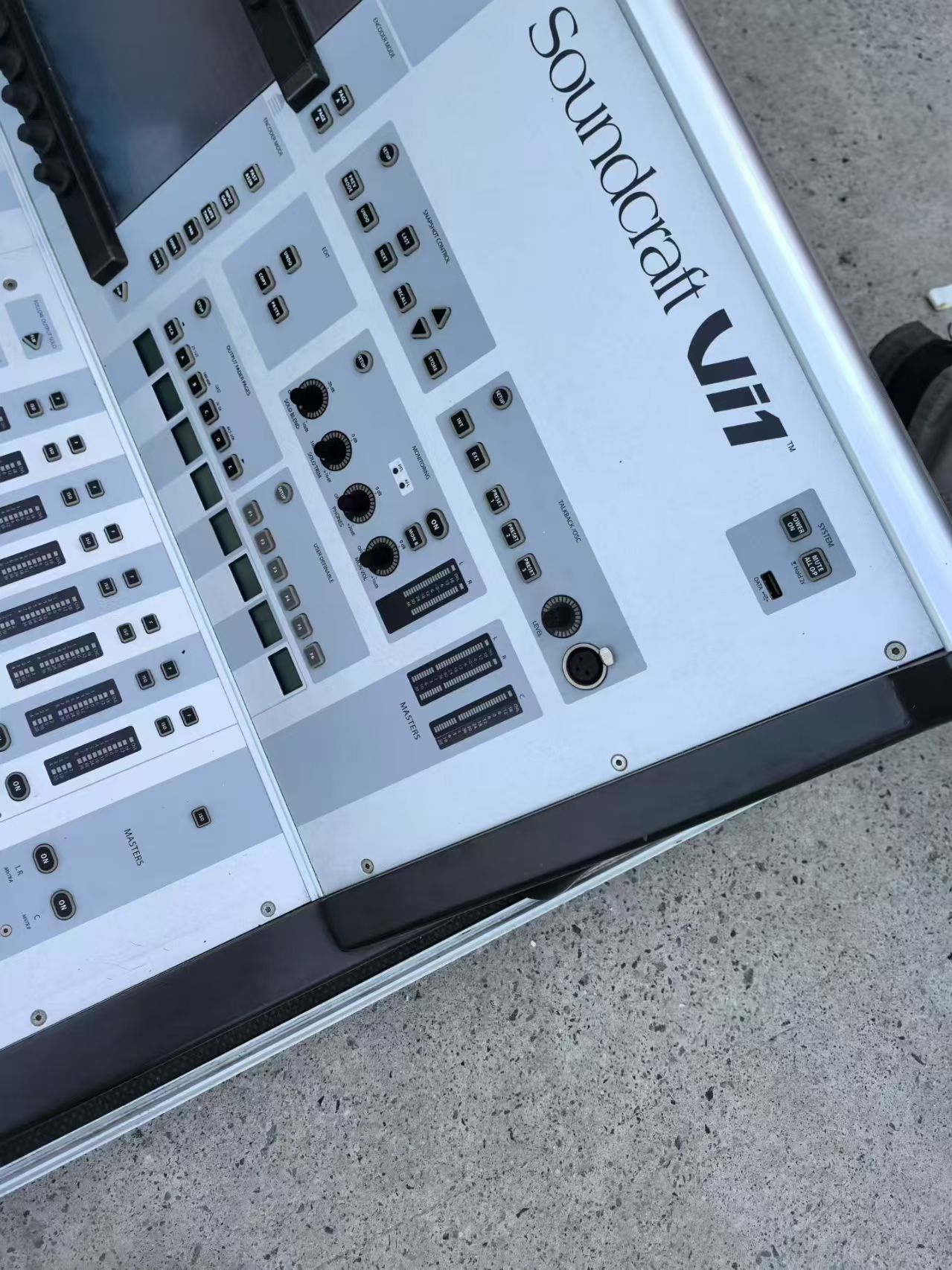
If you need a digital mixer for a more complex setup, consider the Allen & Heath SQ-6 or the Soundcraft Vi1. These are not DJ mixers, but they are common in KTV and bar installs where you need more channels and routing. For a full KTV system, see our KTV sound system solutions.
Importing and Logistics for Volume Orders
When you buy used audio equipment from China or another market, plan for customs and voltage. Pioneer DJ mixers are usually multi-voltage, but confirm the label on the back. If the unit is 100V only, you will need a step-up transformer, which adds cost and failure points.
Shipping cost for a batch of mixers is based on volume weight, not just actual weight. Ask the seller to pack them with foam and individual boxes. A mixer that arrives with a bent fader is a total loss for that unit. For more on importing, read our importing used audio equipment guide.
Also check the plug type. If you are in Russia, the Middle East, South America, or Africa, you may need a different power cable. These are cheap, but confirm that the IEC socket on the mixer is standard. Most Pioneer units use a standard IEC, so you can swap cables locally.
Alternatives to Pioneer DJ Mixers for B2B Buyers
If you cannot find the Pioneer model you need in good condition, consider other used mixers that fit the same role. The Allen & Heath SQ-6 is a digital mixer that works well for KTV and bar installs, and the Soundcraft Vi1 is a solid choice for larger venues. Both are available used and can be easier to service in some regions.
For a direct comparison, see our article on Allen & Heath SQ-6 vs Soundcraft Vi1. If you are building a full system, also look at our best used digital mixing consoles rankings.
Whatever you choose, the same rule applies: test before you buy, and buy from a seller who can show you the unit working. That is the only way to protect your investment when you are buying in volume.