When you search "used line array speakers for sale near me," what you actually want is a cabinet you can hang, power up, and get paid from. Distance matters less than condition. A pallet of boxes two borders away that has been properly tested beats a local lot with blown drivers and water damage.
This guide is for buyers who purchase in volume: touring sound companies, KTV chains, bars and clubs across Russia, the Middle East, South America and Africa. It covers what to verify before you wire money, and how to compare a used line array against a used point-source rig.
Line array or point source: decide before you shop
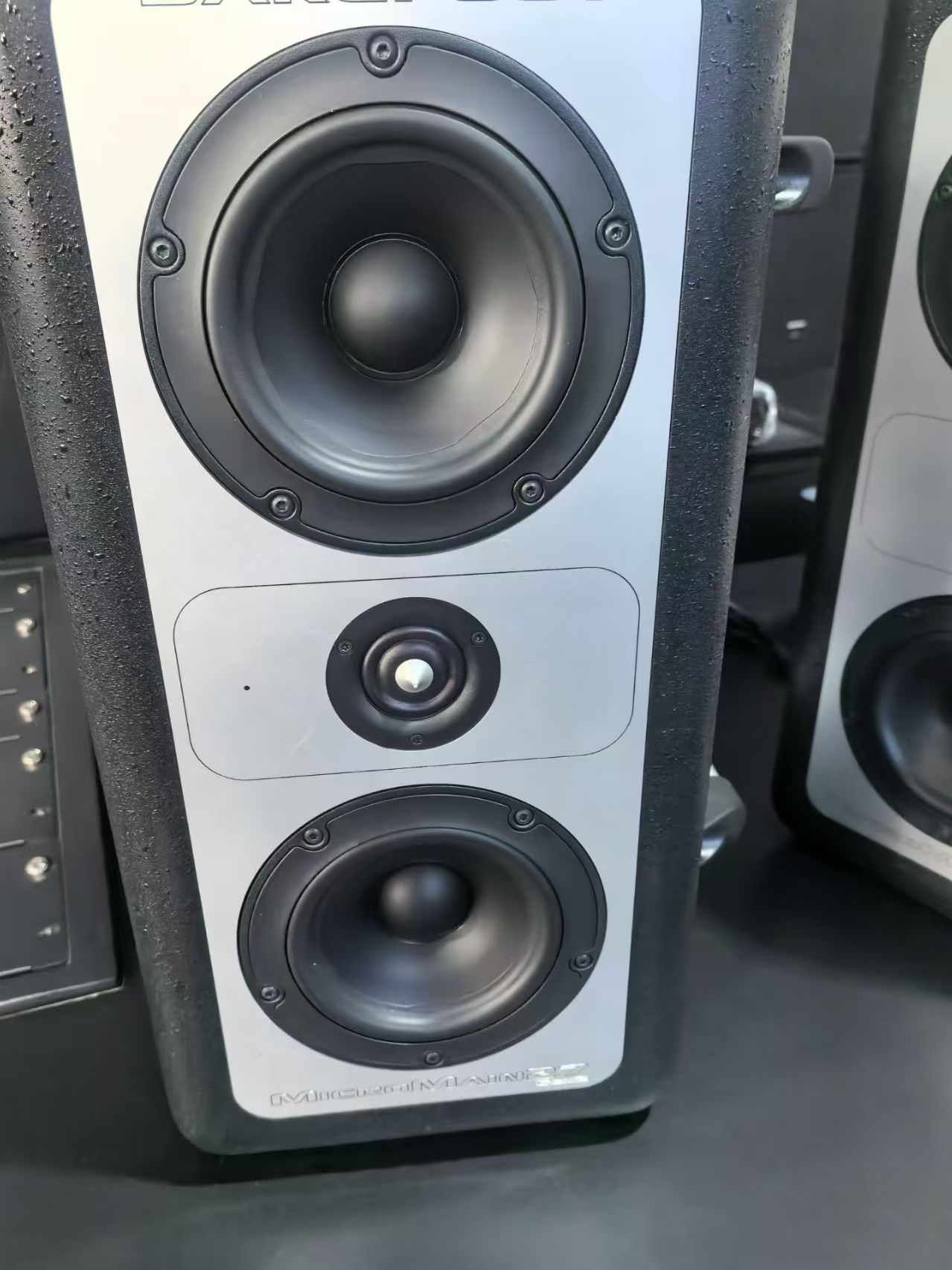
A line array is the right tool when you need long throw and even coverage across a wide, deep room, or when you are flying boxes rather than stacking them. If your venue is a mid-sized KTV room or a bar with a low ceiling, a used two-way full-range speaker such as the Two-Way Full-Range PA Speaker will often do the job with less rigging cost and simpler amplification.
Line arrays also demand more from your infrastructure. You need flybar or bumper hardware, correct splay angles, and enough amplifier channels to drive each box or group. If you cannot source the original rigging and processing, a cheap array becomes an expensive paperweight.
What to ask for on every used line array listing
Photos of the front grille tell you almost nothing. Before you commit, request:
1. Photos of every cabinet from all six sides, including the rear connector panel and the flyware. 2. A short video of each box playing, with a test tone or music, so you can hear for rattle, buzz or cone rub. 3. Impedance readings for each driver, or at minimum a note on whether any driver has been replaced. 4. Serial numbers, so you can confirm the boxes are from the same production batch and not a mixed pile. 5. A written statement of what has been replaced and what is original.
If a seller cannot provide a playing video, treat the listing as untested. That is a different product category, and it should be priced accordingly.
Inspect the parts that fail first
On any used array, focus on the components that take the hardest beating: high-frequency diaphragms, midrange cones, and the flyware. Diaphragms fatigue and fail after heavy touring. Look for dented or discolored throats, which usually mean the box was run into clipping. Check the rigging pins, links and quick-release hardware for cracks, deformation or missing pieces.
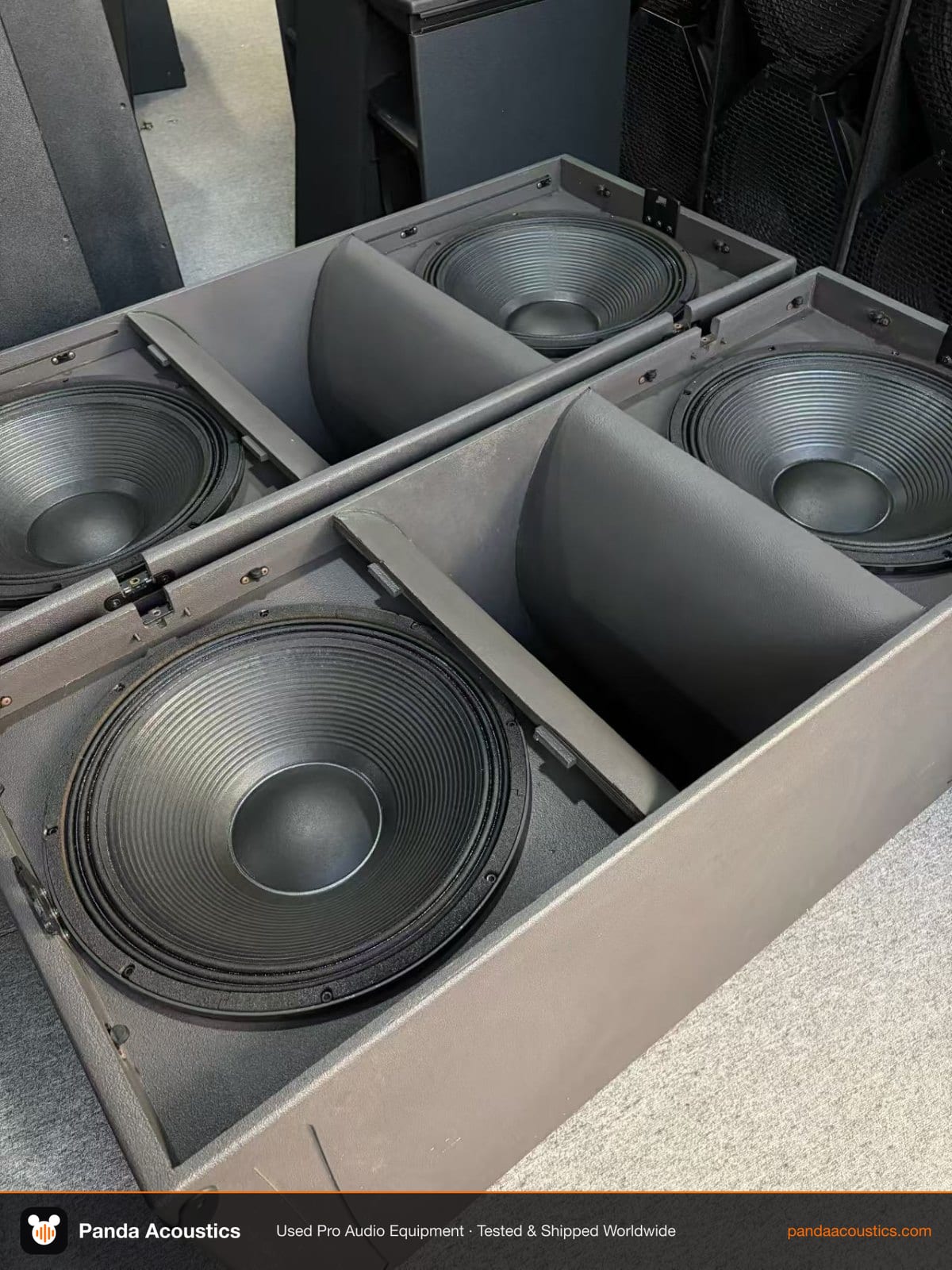
For low end, the same logic applies to subwoofers. A used L-Acoustics KS28 Subwoofer is a common target for touring and club systems, and the failure points are well known: cone damage, voice coil overheating, and cabinet vibration. Read our KS28 buyer guide for the full checklist, and our line array inspection checklist for a step-by-step process you can run on arrival.
Match the array to the rest of your system
A line array is only one part of the signal chain. Before buying, confirm your amplifiers can deliver the required power per box at the right impedance, and that your loudspeaker management system can store the correct presets. If you are mixing brands, budget time for tuning rather than assuming the factory settings will translate.
At the console end, used digital mixers are widely available and often represent better value than used speakers. A Allen & Heath SQ-6 Digital Mixer or a Soundcraft Vi1 Digital Mixing Console can be paired with a used array without compatibility headaches, because both accept standard analog and digital inputs. Our comparison of the SQ-6 vs Soundcraft Vi1 covers the practical differences for rental and installation work.
Buying in volume: what changes
When you are buying eight, twelve or twenty boxes, condition consistency matters more than any single unit. Ask the seller to grade the lot: which boxes are performance-ready, which need a driver replacement, and which are spares only. A mixed lot is fine if the grading is honest and the price reflects it.
Also confirm the power configuration. Boxes wired for one voltage may need re-tapping for your market, and that is labor you should account for. If you operate in several countries, standardizing on one amplifier platform across your inventory will save money on spares and service training.
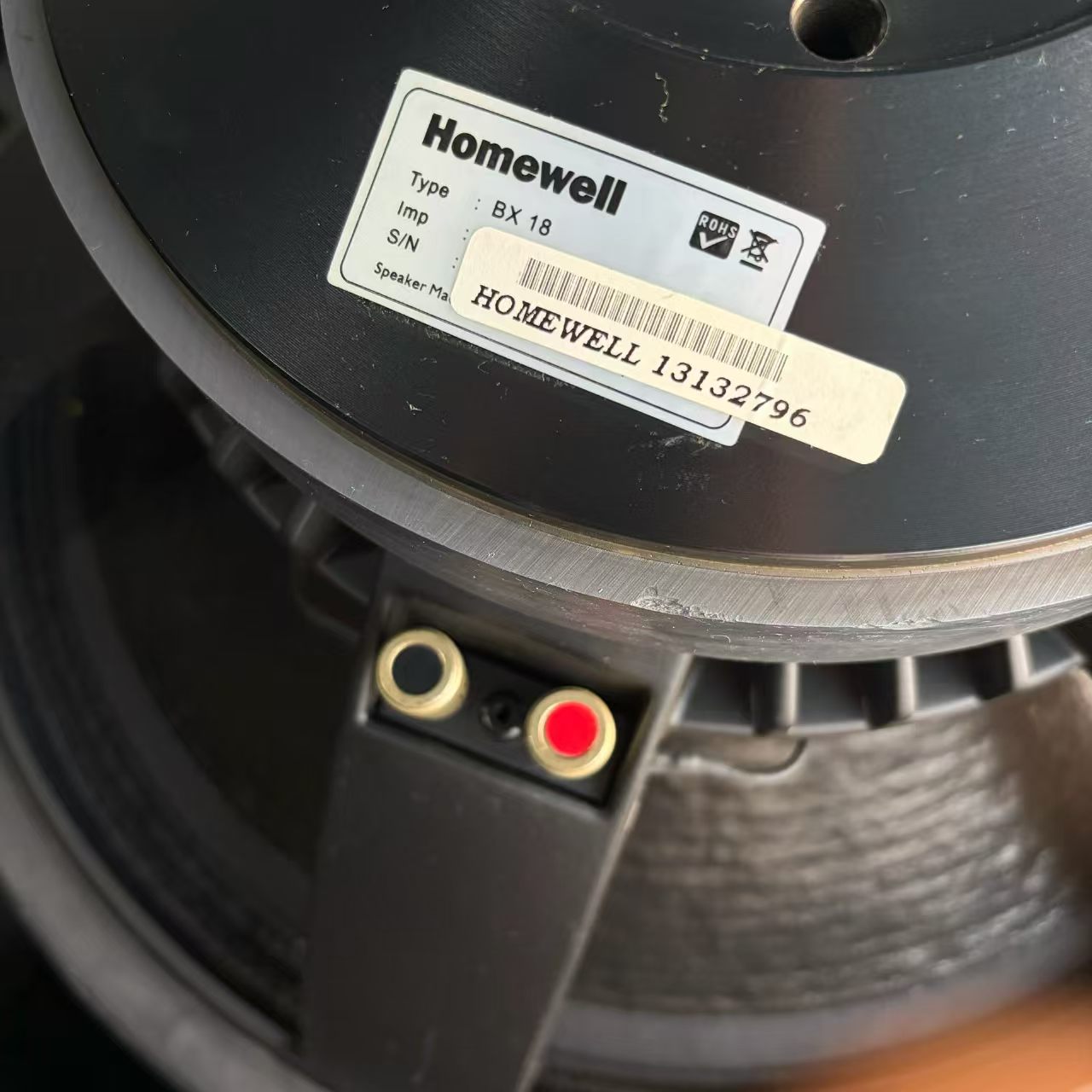
For smaller rooms, a used Homewell BX18 Loudspeaker Unit can fill a subwoofer role in a club or KTV system where a full touring array is overkill. Browse the full product catalog to compare categories before you narrow down.
Questions to ask about shipping and import
Used audio equipment crossing borders attracts duties, inspection and paperwork. Ask the seller how the goods will be packed, whether cabinets ship in road cases or on pallets, and what documentation accompanies the shipment. Our guide to importing used audio equipment walks through the practical steps.
Do not assume a local listing is automatically cheaper. Factor in the cost of replacing failed drivers, refinishing cabinets, and sourcing missing rigging. A tested lot from a specialist supplier often lands at a lower total cost than a bargain lot from a nearby warehouse.
If you are ready to specify a system, start with the concert touring system or bar and club sound system pages, then contact us with your room dimensions, channel count and target SPL. We will tell you what we have tested and what we do not.