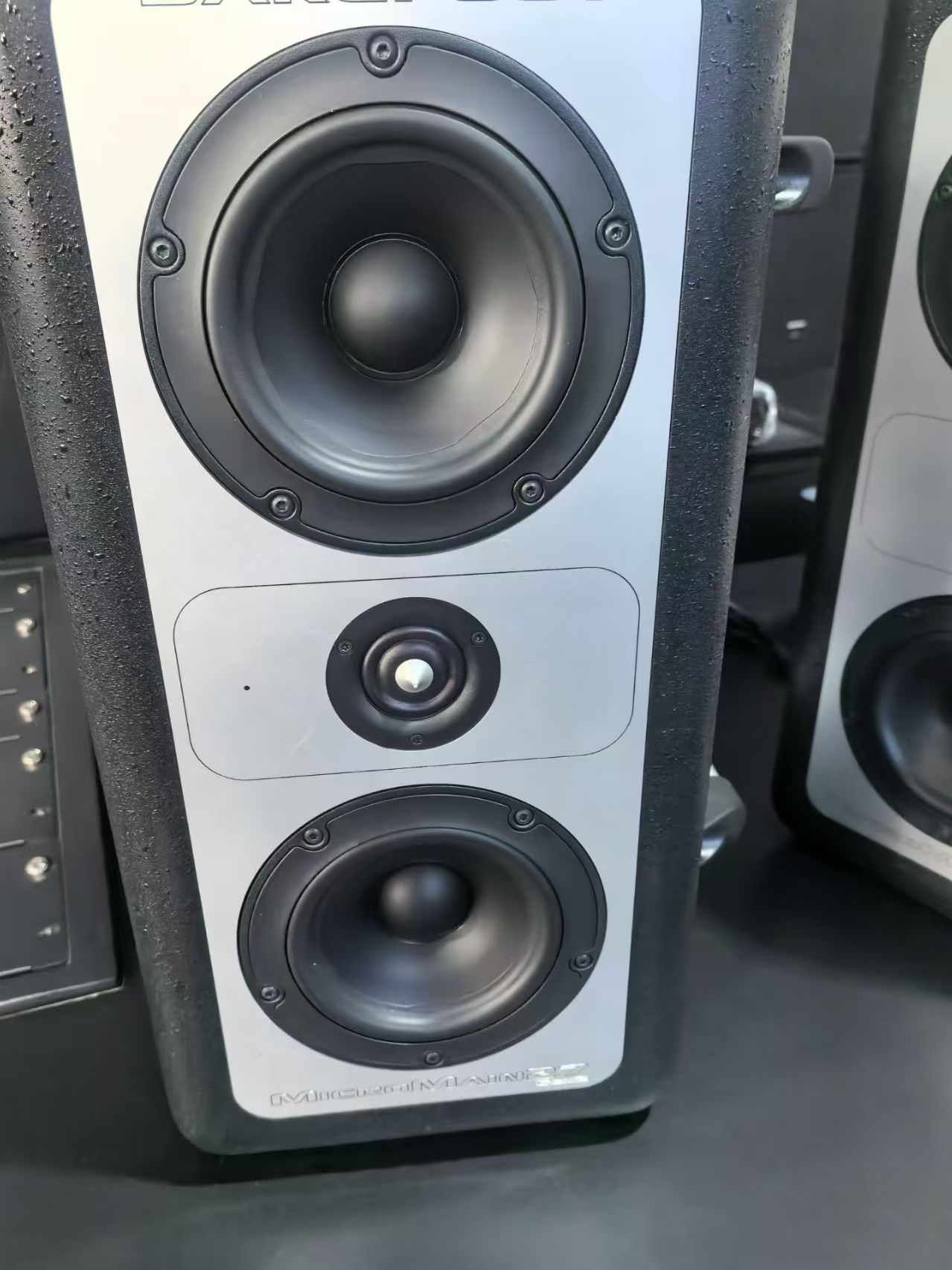
If you are setting up a karaoke system for a bar, KTV room, or small club, you might wonder if you can use monitor speakers instead of a dedicated PA. The short answer: technically yes, but it is usually a compromise that can lead to blown drivers, poor sound, and unhappy singers.
This guide explains why monitor speakers are not the best choice for karaoke, what happens if you use them anyway, and what to buy instead if you want reliable performance night after night.
What Are Monitor Speakers Designed For?
Stage monitors (often called wedges) are designed for one job: to let performers hear themselves on stage. They are typically placed on the floor facing the musician, and they are built to handle a specific instrument or vocal at moderate levels. Their dispersion pattern is narrow and focused, which helps avoid feedback but also means they do not fill a room evenly.
Karaoke, by contrast, requires a speaker system that can handle full-range music (backing tracks with heavy bass and drums) plus live vocals, often at high volumes for hours. A monitor speaker is simply not built for that kind of continuous, broad-range demand.
The Risks of Using Monitors for Karaoke
1. Blown drivers. Karaoke tracks often have deep bass and sudden peaks. Monitor speakers, especially smaller ones, may not have the power handling or excursion limits to reproduce those frequencies without distortion. Over time, this can damage the woofer or tweeter.
2. Poor coverage. Monitors are directional. If you place them like a PA, the sound will be uneven—some areas will be too loud, others too quiet. Singers may struggle to hear themselves, leading them to turn up the volume and increase the risk of feedback.
3. Feedback loops. Because monitors are designed to be close to microphones, they can actually be more prone to feedback if placed incorrectly. In a karaoke setting, where microphones are often handheld and moving around, this becomes a constant battle.
4. Limited low-end. Most monitors roll off below 80 Hz or so. Karaoke music relies on a solid bass foundation. Without a subwoofer, the sound will feel thin and less exciting, which can ruin the experience for singers and audiences.
When Monitors Might Work (With Caveats)
In a very small room—say a private KTV box with 4–6 people—a pair of monitor speakers on stands could serve as the main PA if you keep volumes moderate and use a subwoofer for low end. But even then, you are pushing the monitors beyond their intended use. They will not last as long as proper PA speakers, and you may find yourself replacing drivers frequently.
If you already own monitors and want to try, use them at lower volumes and add a dedicated subwoofer to handle the bass. Also, place them on stands aimed at the listeners, not at the microphones, to reduce feedback.
Better Alternatives for Karaoke
For any commercial karaoke setup, you should use full-range PA speakers designed for music reproduction. Look for models with a 12-inch or 15-inch woofer and a horn-loaded tweeter. These will handle the dynamics of karaoke tracks and vocals without strain.
If you need a reliable workhorse, consider a used two-way full-range PA speaker. Many touring companies and KTV venues upgrade their gear regularly, so you can find tested used units that offer great value. For example, the Two-Way Full-Range PA Speaker is a common choice for small to mid-size rooms.
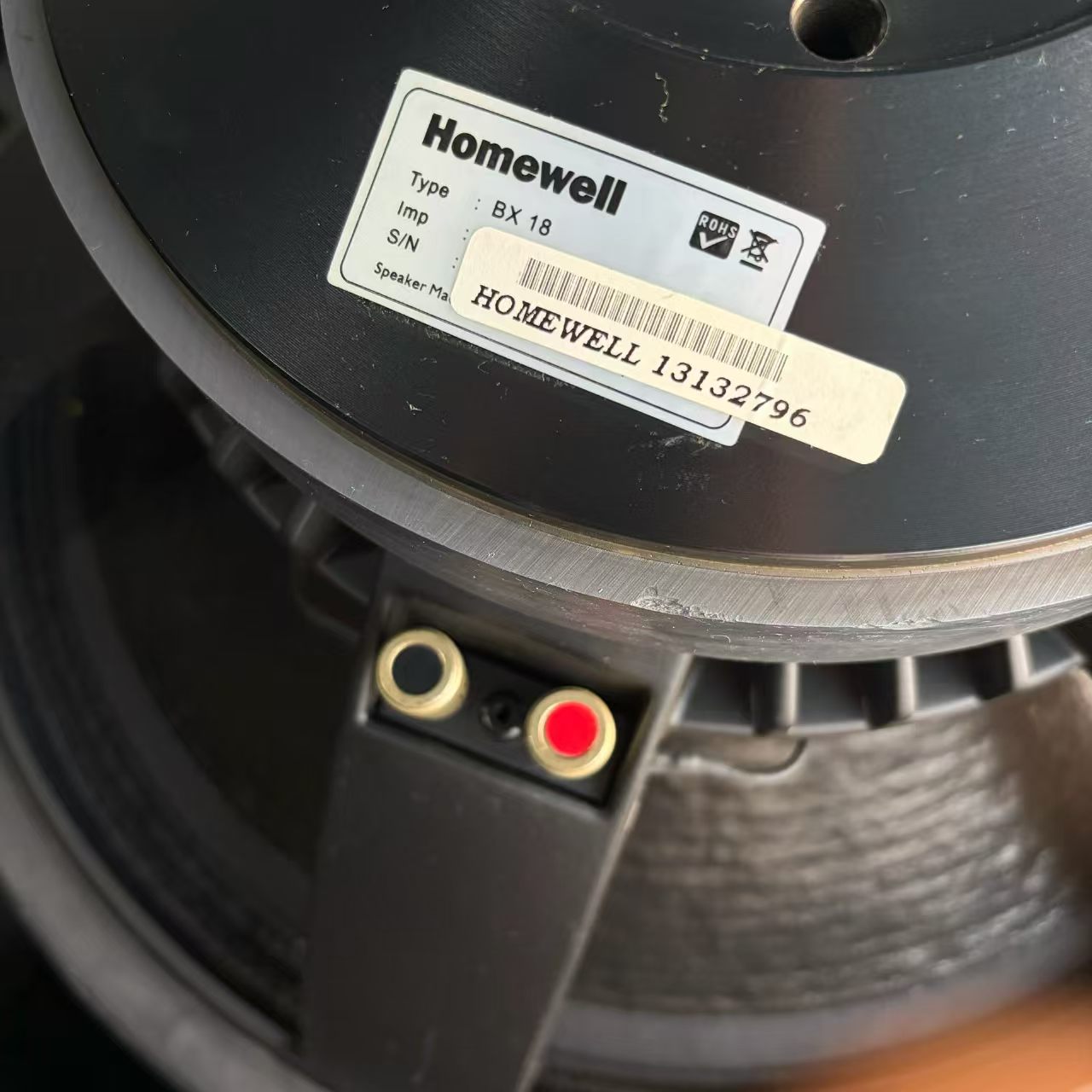
Pair your speakers with a subwoofer for the low frequencies. A single 18-inch subwoofer like the Homewell BX18 Loudspeaker Unit can add the punch needed for karaoke without breaking your budget. If you need more output, consider a used L-Acoustics KS28, though that is usually overkill for typical KTV rooms.
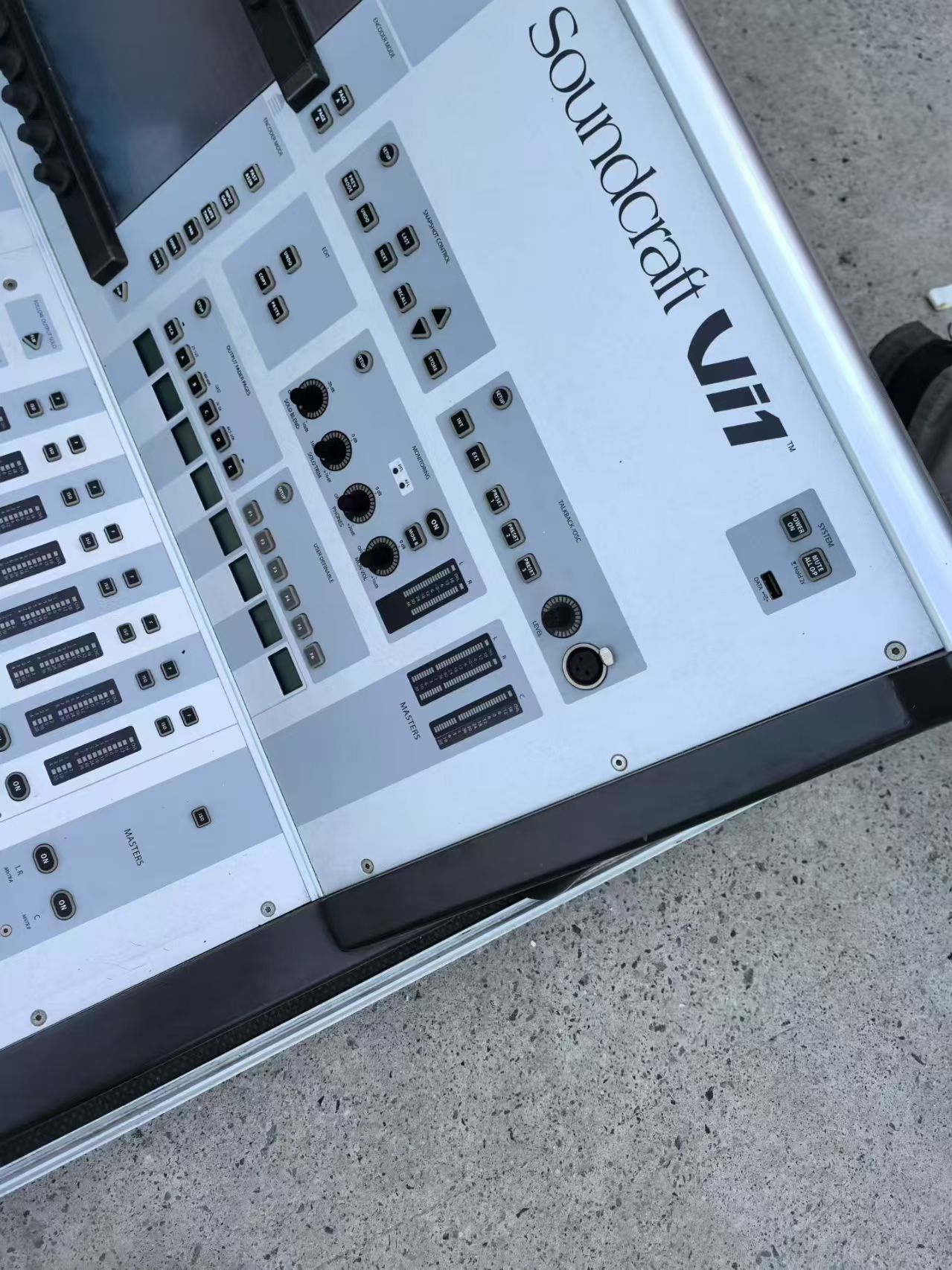
Do not forget a proper mixer. A digital mixer gives you EQ, effects, and feedback control. The Allen & Heath SQ-6 or Soundcraft Vi1 Digital Mixing Console are both solid choices for karaoke systems, offering enough inputs for multiple microphones and playback devices.
What to Look for in Karaoke Speakers
When buying speakers for karaoke, prioritize:
- Power handling: At least 300W RMS continuous.
- Frequency response: Down to 50 Hz or lower, or pair with a subwoofer.
- Sensitivity: 95 dB or higher, so they play loud with less amplifier power.
- Durability: Metal grilles, sturdy cabinets, and replaceable drivers.
If you are buying used, inspect the drivers for tears, check the cabinet for cracks, and test at high volume to listen for distortion. Our guide on used KTV speaker buying covers this in detail.
Conclusion
Monitor speakers are not the right tool for karaoke. They are designed for stage monitoring, not for filling a room with full-range music and vocals. Using them for karaoke will likely lead to poor sound, frequent repairs, and a subpar experience for your customers.
Invest in proper PA speakers and a subwoofer. If budget is tight, buy tested used gear from a reputable supplier. That way, you get the performance you need without paying for new equipment.