Karaoke rooms punish speakers. They are driven loud, for hours, in small reflective rooms, by operators who rarely have a technician on site. That is exactly why buying used is attractive — and exactly why you need to look past the photos.
Start with the amplifier, not the cabinet
Most blown karaoke speakers died because the amplifier ran out of headroom, not because the cabinet was bad. When you buy used, ask what amplifier the seller was running and at what power. A pair of compact cabinets on an underpowered amplifier will fail again in your room.
Check the drivers, not the paint
Grilles and carpet hide a lot. Ask for photos of the cone, surround and spider for every driver, and for an impedance reading if the seller can provide one. Scuffed paint is cosmetic; a torn surround is a repair bill.
Match the system to the room
An eight-seat room and a thirty-seat party room are not the same job. Sizing by room volume and target level prevents the most common mistake we see: too much cabinet, too little amplifier.
Sizing a package in practice
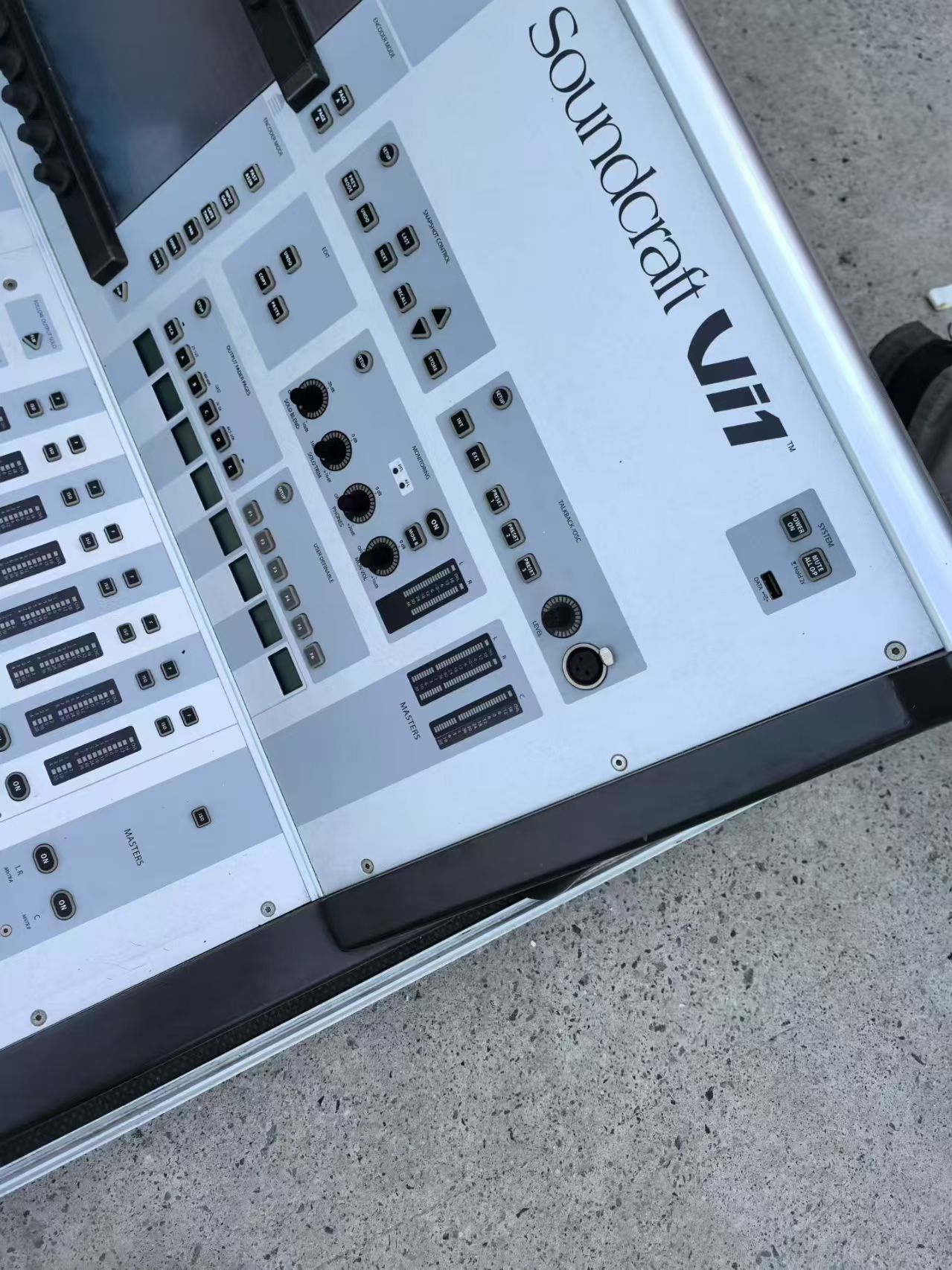
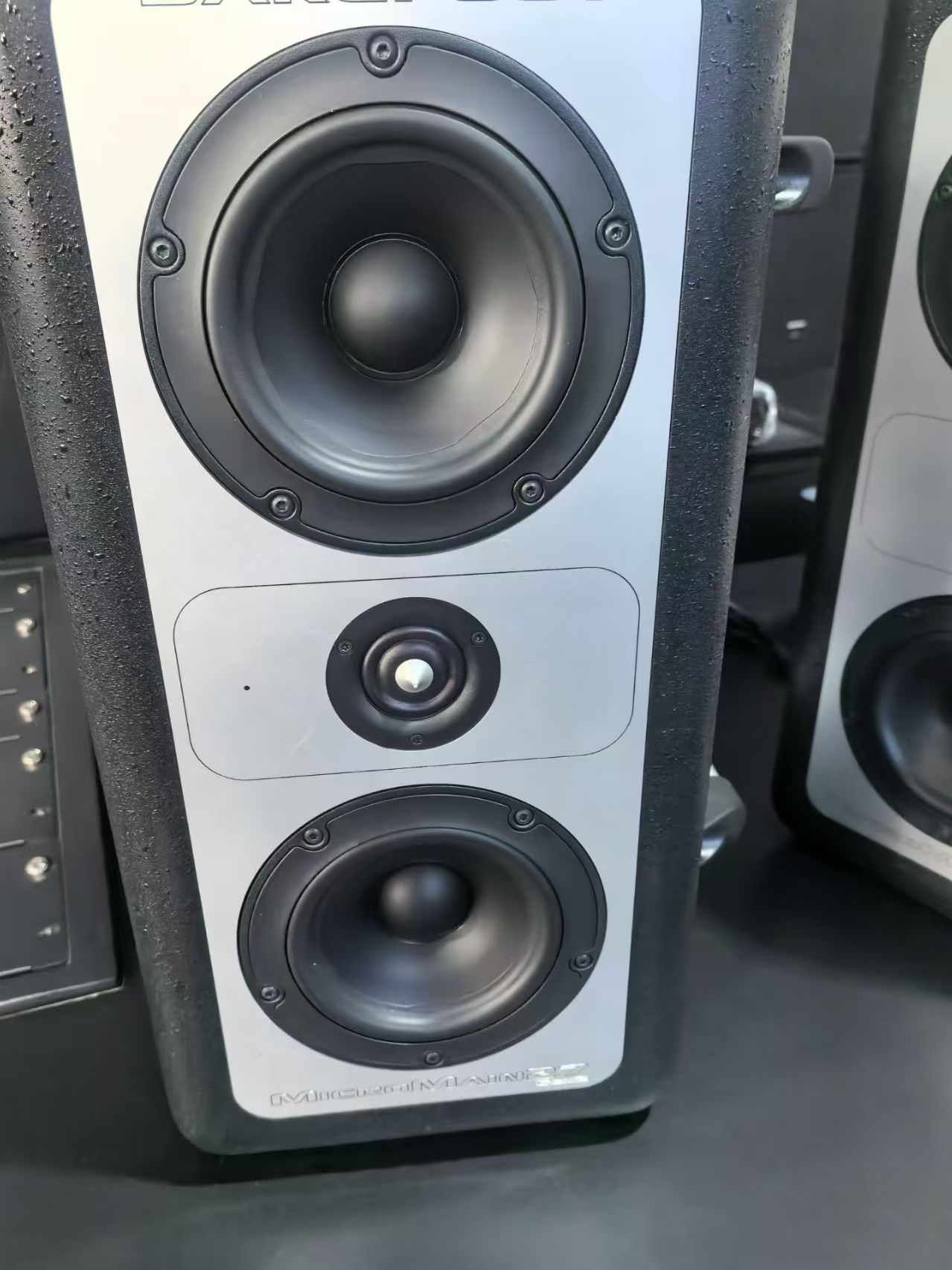
For smaller rooms we usually start from a compact two-way full-range PA speaker and a matching amplifier, then scale up. Where the room needs a console, a Soundcraft Vi1 covers most karaoke setups without eating the whole budget.
What we do differently
Every unit we list is powered on and signal-tested before shipping, and we show the flaws rather than the flattering angle. If you are fitting out multiple rooms, send us the room list and we will match a repeatable package.