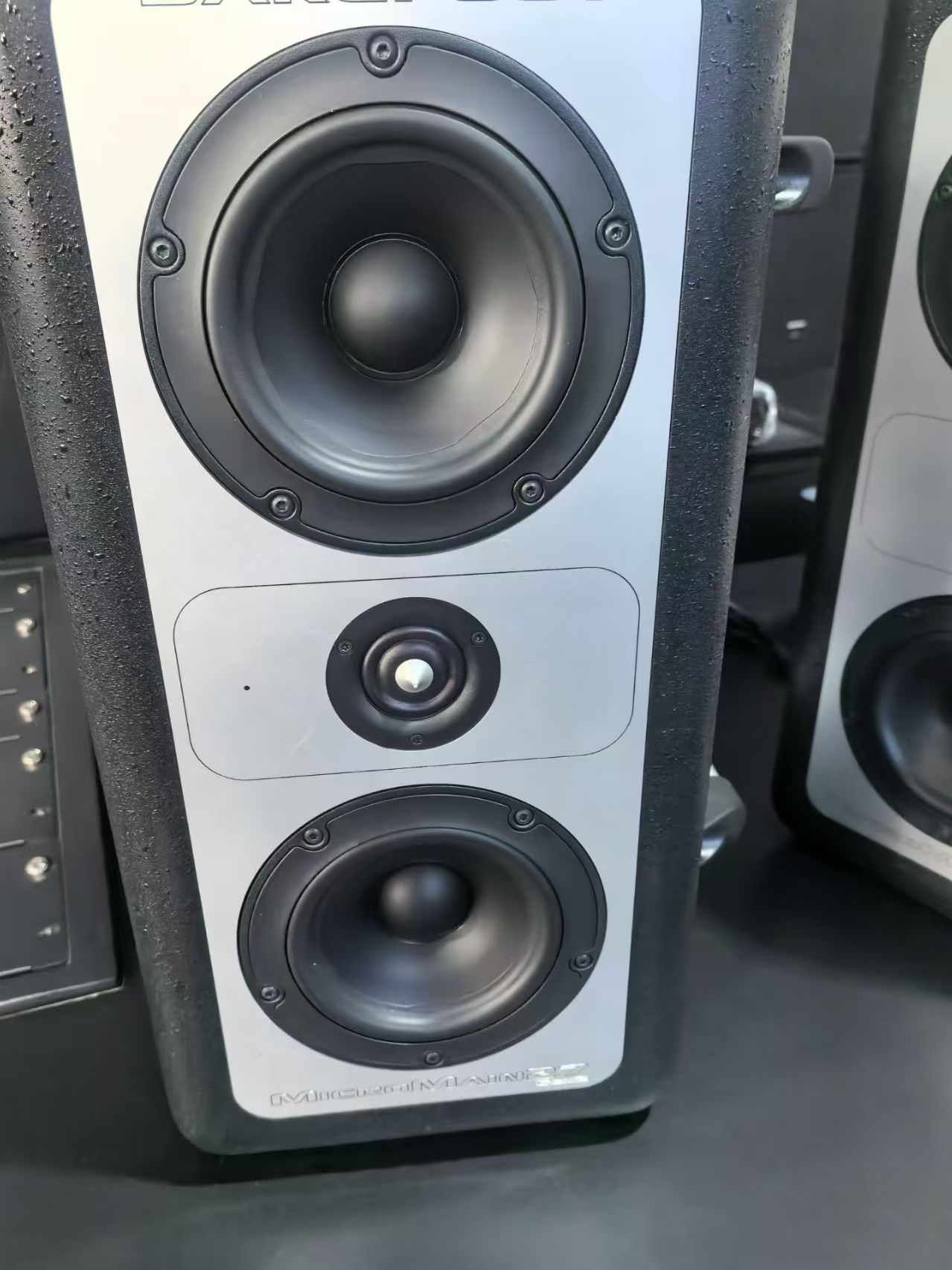
If you are searching for used line array speakers for sale in South Africa, you are likely outfitting a venue, a rental fleet, or a touring rig. South Africa's live sound market is active, but the local supply of quality used line arrays is thin. Most serious buyers end up importing from China, Europe, or the UAE. This guide covers what matters when you are about to spend money on used gear, from condition reports to shipping into Johannesburg or Cape Town.
Why Used Line Arrays Make Sense in South Africa
New line array boxes from major brands carry heavy import duties and VAT, and lead times can stretch. Used boxes that have been properly tested offer a lower cost per box without sacrificing output. For KTV rooms, bars, and mid-size clubs, a used line array is often overkill; a well-chosen point-source system may serve better. But for rental companies and touring operations, line arrays are the standard tool. The key is buying boxes that have real hours left, not ones that have been abused in rental fleets for a decade.
South African buyers should also consider the power infrastructure. Most pro audio gear runs on 220-240V, which matches South Africa's grid. That removes one common headache. The bigger issues are customs clearance, shipping costs, and verifying condition before the gear leaves the origin warehouse.
What to Inspect Before You Buy
Never buy used line array speakers based on photos alone. Ask for a test report that includes impedance sweeps, frequency response measurements, and a physical inspection of the cabinet, grille, and rigging hardware. The rigging is often the first thing to fail on used boxes. Bent fly bars, worn quick-release pins, and cracked cabinet corners are red flags. If the seller cannot provide close-up photos of the rigging points, walk away.
Drivers are the other major concern. Compression drivers and woofers can be re-coned or replaced, but if the magnet assemblies are corroded or the voice coils are rubbing, you are looking at expensive repairs. A reputable supplier will test each box individually and provide serial numbers. This matters when you are buying eight, twelve, or twenty boxes at once. Mixed serial numbers are normal in used inventory, but the boxes should be from the same model line so they array properly.
For a deeper checklist, see our used line array inspection checklist.
Mixing Consoles and Subwoofers: The Rest of the System
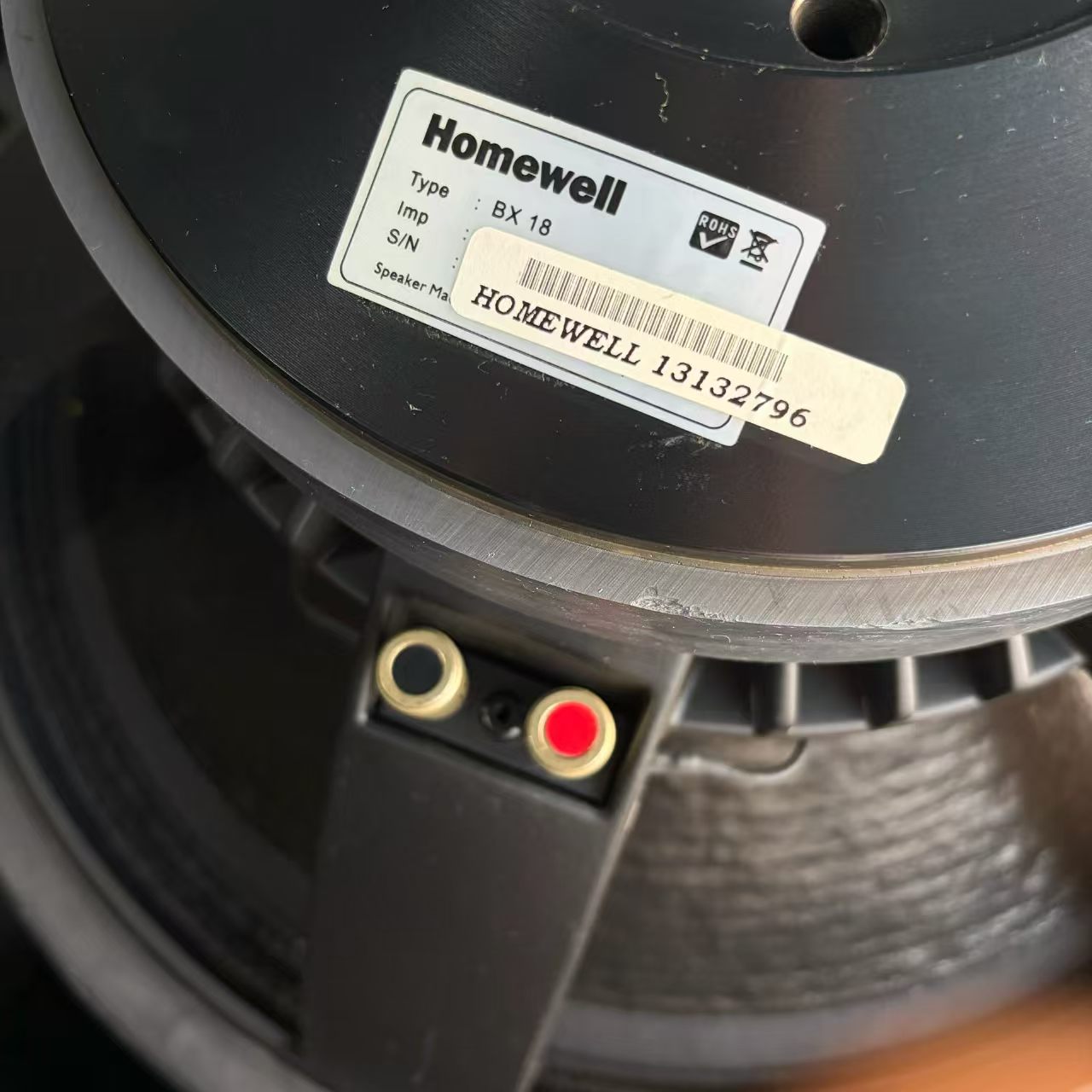
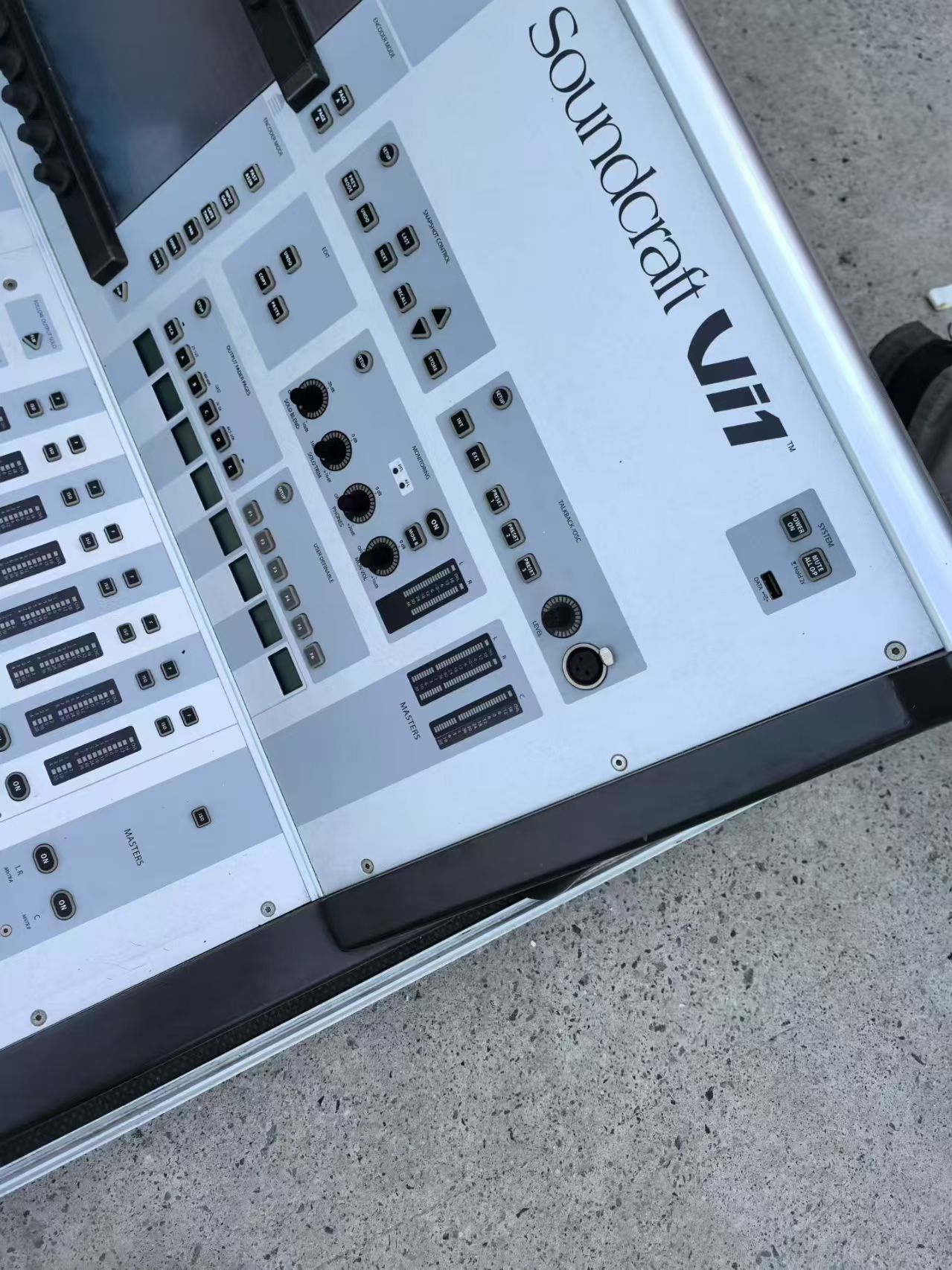
A line array is only part of a working system. You will need subwoofers, amplification, and a digital mixer. For subwoofers, used 18-inch boxes are common, and our guide to used 18-inch subwoofer concert buying covers what to look for. For mixing, the Soundcraft Vi1 and Allen & Heath SQ-6 are both popular in rental and touring environments. The SQ-6 is lighter and faster to set up for club gigs, while the Vi1 offers more input capacity for larger shows. You can read a direct comparison in our SQ-6 vs Vi1 article.
If you are building a KTV system, line arrays are usually the wrong choice. A two-way full-range speaker like the Two-Way Full-Range PA Speaker is better suited for vocal clarity in small rooms. For bars and clubs, a combination of full-range tops and subwoofers often outperforms a small line array in terms of coverage and cost.
Importing into South Africa: What to Expect
South African customs requires a valid importer code and a commercial invoice that matches the shipping documents. Used audio equipment is not banned, but you should expect to pay import duty and VAT. The duty rate depends on the tariff code, which varies by product type. Work with a freight forwarder who has experience with used musical equipment. They can advise on the correct codes and help avoid delays at port.
Shipping from China to Durban or Cape Town typically moves by sea for large orders, and air freight for urgent smaller shipments. Sea freight is cheaper per cubic meter but slower. If you are buying a full line array system, sea freight is usually the only practical option. Ask the supplier to provide packing lists with dimensions and weights per box so you can calculate freight accurately.
For a broader overview, see our importing used audio equipment guide.
Where to Buy and What to Avoid
Local South African classifieds and auction sites occasionally list used line arrays, but the selection is limited and condition is often unknown. Importing from a specialist supplier gives you access to tested inventory and the option to buy in volume. Panda Acoustics supplies tested used professional audio equipment to buyers in Russia, the Middle East, South America, and Africa. We do not claim to be the biggest or the cheapest, but we do provide real condition reports and test data.
Avoid sellers who refuse to provide test results, who cannot confirm the model number, or who pressure you to pay without a proper invoice. If the price seems too good to be true, it usually is. Used line array boxes that have been in rental service for years may need driver replacement soon after arrival. Factor that into your budget.
If you are buying for a concert touring system, see our concert touring system solutions. For bar and club installations, the bar and club sound system page covers typical configurations.
Making the Decision
Start by defining your venue size, audience capacity, and budget per box. Then decide whether you need a true line array or a point-source system. If you are buying used, insist on test reports and rigging photos. Work with a freight forwarder early so you understand the landed cost. And buy from a supplier who answers technical questions directly, not one who only sends a price list.
For current used inventory, browse our products page or contact us with your requirements.